How Data Analytics Elevates B2B Marketing Insights for Better ROI
Understanding the Value of Data Analytics in B2B Marketing Data analytics has transformed how businesses approach market intelligence and customer engagement....

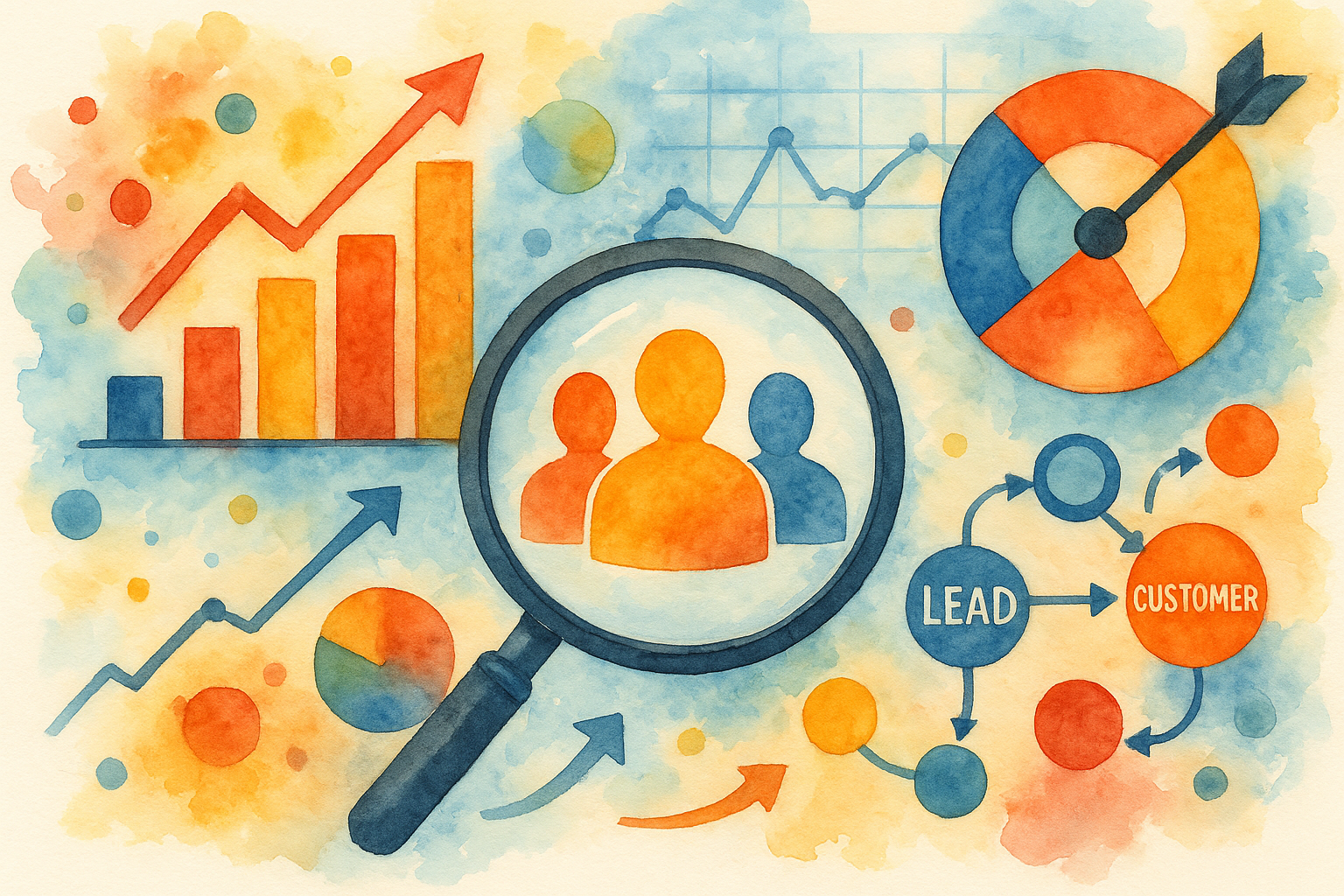
Discover how data analytics revolutionizes B2B marketing, offering deeper insights, improved targeting, and enhanced ROI. Learn to harness big data to refine strategies, predict trends, and outpace competitors. Unlock the full potential of your marketing efforts with actionable, data-driven tactics.
📑 Table of Contents
- Understanding the Value of Data Analytics in B2BMarketing
- Developing a Data-Driven Marketing Strategy
- Collecting the Right Data
- Analyzing Data for Actionable Insights
- Enhancing Customer Understanding Through Segmentation
- Optimizing Marketing Campaigns with Predictive Analytics
- Improving ROI Through Enhanced Lead Scoring
- Utilizing Advanced Analytics for Customer Lifecycle Management
- Measuring Success and Adjusting Strategies
- Practical Takeaway: Implementing a Data-Driven B2B Marketing Approach
Understanding the Value of Data Analytics in B2B Marketing
Data analytics has transformed how businesses approach market intelligence and customer engagement. In B2B marketing, the strategic application of data analytics can lead to deeper insights into business markets, enabling marketers to tailor their strategies more effectively. At its core, leveraging data analytics involves collecting, processing, and analyzing data to inform decision-making processes and enhance marketing strategies.
Developing a Data-Driven Marketing Strategy
To effectively leverage data analytics in B2B marketing, it's essential to develop a robust strategy that integrates data at every stage. Begin by defining clear objectives, such as improving lead quality, increasing conversion rates, or enhancing customer retention. Once objectives are set, identify the types of data needed to achieve these goals. This often includes customer behavior data, transactional data, and broader market trends.
Collecting the Right Data
Effective data collection is critical. Utilize tools and platforms that can capture a wide range of data points across different channels. CRM systems, marketing automation tools, and analytics platforms are invaluable in gathering the necessary data. Integration of these tools ensures a holistic view of customer interactions and behaviors.
Analyzing Data for Actionable Insights
With the data collected, the next step is analysis. Use statistical methods and analytics software to uncover patterns and trends. For instance, predictive analytics can forecast future customer behaviors based on historical data, while segmentation analysis can reveal distinct groups within your market, allowing for more targeted marketing efforts.
Enhancing Customer Understanding Through Segmentation
Segmentation involves dividing a market into clear segments based on various criteria like industry, company size, or buying behavior. Data analytics aids in creating precise segments. This enhanced understanding leads to more personalized marketing efforts. Tailored messaging resonates better with each segment, leading to higher engagement rates and conversion.
Optimizing Marketing Campaigns with Predictive Analytics
Predictive analytics is a game-changer in B2B marketing. It uses data, statistical algorithms, and machine learning techniques to identify the likelihood of future outcomes based on historical data. This can help predict which types of campaigns are likely to succeed, or which prospects are ready to convert. Implementing predictive analytics involves: - Model Development: Develop predictive models based on past campaign data and outcomes. - Testing and Refinement: Continuously test and refine these models based on new data and results. - Real-Time Application: Use these models to guide real-time decisions in campaign management.
Improving ROI Through Enhanced Lead Scoring
Lead scoring is a technique used to rank prospects against a scale that represents the perceived value each lead represents to the organization. By integrating data analytics, lead scoring becomes more accurate and dynamic, reflecting changes in lead behavior and market conditions. The integration of machine learning can further refine lead scoring models, making them more predictive of actual sales potential. This allows marketing teams to prioritize high-quality leads, optimizing the allocation of resources and efforts.
Utilizing Advanced Analytics for Customer Lifecycle Management
Customer lifecycle management (CLM) is crucial in B2B contexts, where sales cycles are longer and relationships are more complex. Data analytics can help map the customer journey more accurately, identifying key touchpoints and opportunities for engagement. Advanced analytics enable a deeper understanding of how customers interact with a brand across multiple channels over time, which helps in crafting interventions at moments that significantly impact customer retention and value.
Measuring Success and Adjusting Strategies
It's vital to continuously measure the effectiveness of your data-driven marketing strategies. Key performance indicators (KPIs) should be established from the outset. Common KPIs in B2B data analytics include conversion rates, customer acquisition costs, customer lifetime value, and engagement rates. Regularly review these metrics to understand what is working and what isn’t. This not only helps in fine-tuning strategies but also in demonstrating the value of investing in data analytics.
Practical Takeaway: Implementing a Data-Driven B2B Marketing Approach
To successfully implement data analytics in your B2B marketing efforts, start with a clear strategy aligned with your business objectives. Invest in the right tools and technologies that allow for effective data collection and analysis. Develop skills within your team to understand and leverage insights from data analytics. Continuously monitor performance and adapt strategies based on data-driven insights. Embracing a data-driven approach in B2B marketing not only enhances the efficiency of marketing efforts but also drives substantial improvements in customer engagement and business growth. With the pace at which data and technology are evolving, staying updated on new tools and techniques is crucial to maintaining a competitive edge.
Frequently Asked Questions
What are the key benefits of using data analytics in B2B marketing?
Leveraging data analytics in B2B marketing offers several benefits including improved targeting and segmentation, enhanced lead generation, and optimized marketing budgets. By analyzing customer data, businesses can identify patterns and trends that help in creating more effective marketing strategies tailored to the needs of specific customer segments. Additionally, data analytics enables more accurate measurement of marketing campaign effectiveness, facilitating better ROI assessments and strategic adjustments.
How can data analytics improve customer engagement in B2B environments?
Data analytics can significantly enhance customer engagement by providing insights into customer behaviors, preferences, and pain points. This knowledge allows B2B marketers to develop personalized communication strategies and content that resonate with their target audience. Additionally, analytics can help in predicting customer needs and trends, enabling proactive engagement strategies that foster stronger relationships and higher customer satisfaction.
What are some effective methods for collecting quality data for B2B analytics?
Effective methods for collecting quality data in B2B settings include the use of CRM (Customer Relationship Management) systems, surveys, feedback forms, and interaction tracking across digital platforms. Integrating these tools ensures a comprehensive data collection strategy that captures various customer interactions and touchpoints. Ensuring data quality is crucial, which involves regular audits, validation, and cleansing processes to maintain the accuracy and relevancy of the data used for analytics.
Sources and References
- The dawn of marketing’s analytics revolution - This source from McKinsey & Company explores the transformative potential of data analytics in B2B marketing. It provides insights into how businesses can leverage analytics to drive marketing strategies and better understand customer behaviors, directly supporting the article's section on developing a data-driven marketing strategy.
- The New Tools of Marketing - Published by Harvard Business Review, this article discusses the latest tools in marketing technology, including advanced data analytics. It supports the article's discussion on collecting the right data and analyzing it for actionable insights, showcasing real-world applications and benefits.
- Advanced Analytics Techniques for B2B Marketing - This academic paper on arXiv offers a comprehensive review of analytics techniques used in B2B marketing. It provides a theoretical foundation for the article's sections on analyzing data and enhancing customer understanding through segmentation.
- Why Segmentation Is Key To Building Your Customer Understanding - Forrester's report details the importance of segmentation in understanding customers in a B2B context. It aligns with the article's focus on using segmentation to derive deeper marketing insights and enhance customer relationships.
- What is Marketing Automation? - Salesforce provides a detailed overview of marketing automation, a key tool in implementing data-driven marketing strategies. This source supports the article's discussion on the practical applications of data analytics in automating and optimizing B2B marketing efforts.
- Machine Learning in B2B Marketing - A research paper by Google that explores the application of machine learning techniques in B2B marketing. This source is crucial for understanding how AI and machine learning intersect with data analytics to refine marketing strategies and customer insights, supporting the article's emphasis on cutting-edge technologies in data-driven marketing.
- How Data Analytics Can Enhance Content Strategies - This article from the Content Marketing Institute discusses the role of data analytics in shaping effective content marketing strategies in the B2B sector. It complements the article's sections on actionable insights and strategy development, providing practical examples of data-driven content marketing.