How Content Mapping Elevates B2B Customer Experience
Understanding Content Mapping in B2B Customer Experience Content mapping is a strategic approach in B2B marketing that involves creating content tailored to...

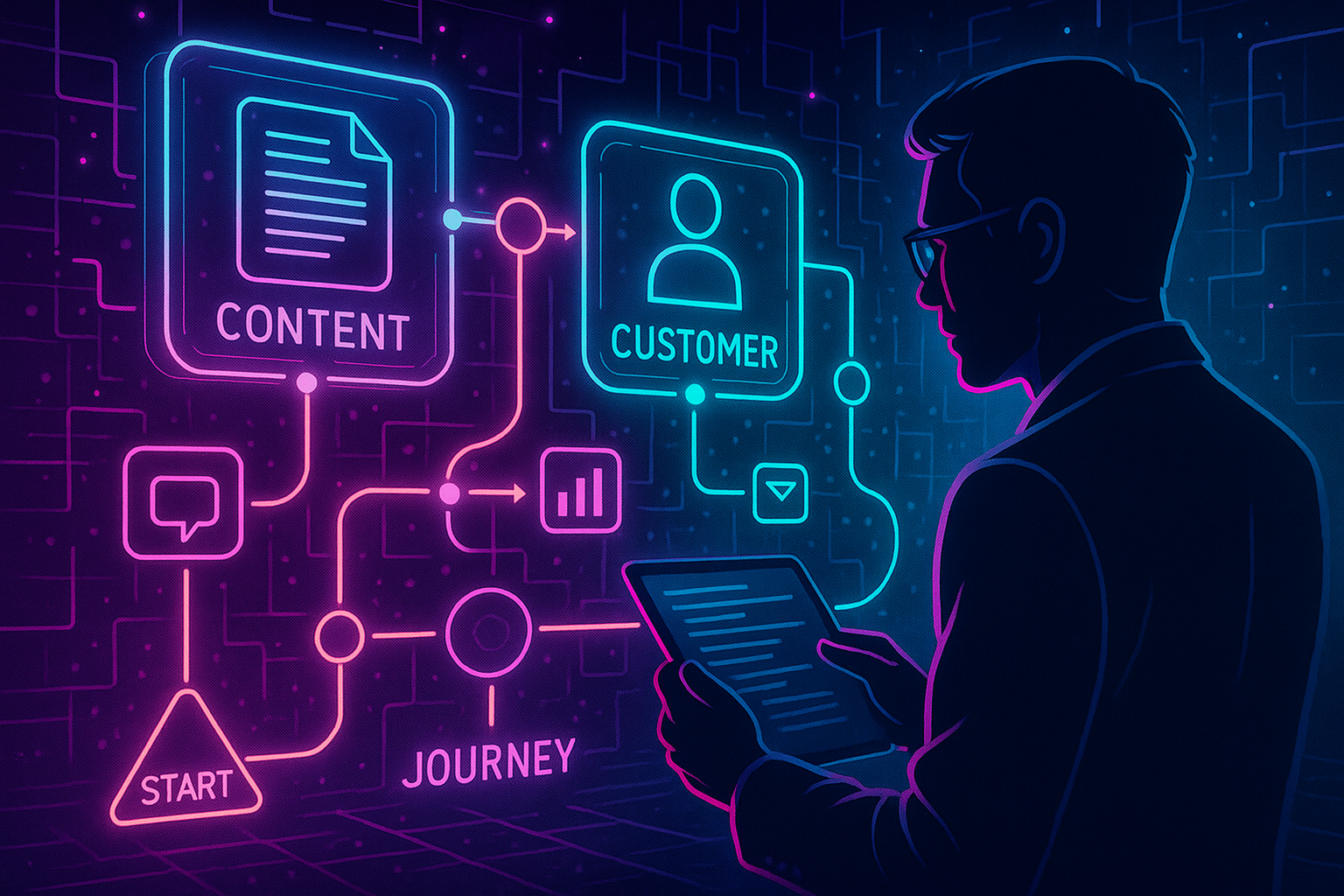
Discover how content mapping can transform B2B customer experiences. This article explores strategies to align your content with customer journeys, enhancing engagement and satisfaction at every touchpoint. Learn to deliver value that nurtures and converts.
📑 Table of Contents
- Understanding Content Mapping in B2B Customer Experience
- The Role of Buyer Personas in Content Mapping
- Identifying Key Stages of the B2B Buyer's Journey
- Creating a Content Map to Address Customer Needs
- Leveraging Technology for Efficient Content Delivery
- Measuring the Impact of Content Mapping on Customer Experience
- Practical Takeaway: Implementing a Successful Content Mapping Strategy
Understanding Content Mapping in B2B Customer Experience
Content mapping is a strategic approach in B2B marketing that involves creating content tailored to the needs of customers at different stages of their buying journey. By aligning content with the specific needs, challenges, and decision-making processes of your target audience, businesses can enhance engagement, build trust, and drive conversions more effectively.
The Role of Buyer Personas in Content Mapping
Creating accurate buyer personas is the first critical step in effective content mapping. A buyer persona is a detailed profile of a typical customer, based on real data combined with some educated speculation about their demographics, behaviors, motivations, and goals. Actionable Steps to Develop Buyer Personas: - Conduct surveys and interviews with current customers to gather insights. - Analyze customer data from CRM systems to identify common characteristics. - Use social media and Google Analytics to understand customer behavior and preferences. - Collaborate with sales and customer service teams to get a holistic view of the customer.
Identifying Key Stages of the B2B Buyer's Journey
The B2B buyer’s journey typically consists of three main stages: Awareness, Consideration, and Decision. Each stage requires different types of content to move the buyer closer to a purchase. - Awareness Stage: The potential customer recognizes they have a problem and begin looking for solutions. Educational content like blogs, eBooks, and industry reports are effective in this stage. - Consideration Stage: The buyer defines their problem and researches options to solve it. Comparison whitepapers, case studies, and expert webinars can be beneficial here. - Decision Stage: The buyer chooses a solution. Product demos, free trials, and detailed product content are crucial to help seal the decision.
Creating a Content Map to Address Customer Needs
Once you understand your buyer personas and the stages of the buyer's journey, the next step is to create a content map. This involves linking each persona with the appropriate content at each stage of their journey. Steps to Create an Effective Content Map: - List all existing content and evaluate its alignment with buyer personas and journey stages. - Identify gaps where you need new content to fully support the buyer's journey. - Plan the creation of new content and optimize existing content to better suit the needs of your personas. - Ensure a mix of content types and delivery channels to match the preferences of your target audience.
Leveraging Technology for Efficient Content Delivery
Technology plays a vital role in delivering the right content to the right customer at the right time. Utilizing CRM systems, email automation, and content management systems can help streamline the content delivery process and ensure a consistent customer experience. Technological Tools to Enhance Content Mapping: - CRM systems to track customer interactions and tailor content accordingly. - Email automation tools to send personalized content based on specific triggers. - Analytics tools to measure engagement and effectiveness of different content pieces.
Measuring the Impact of Content Mapping on Customer Experience
To continuously improve the B2B customer experience through content mapping, it is crucial to measure the effectiveness of your content strategy. Key Metrics to Track: - Engagement metrics such as time on page, pages per session, and bounce rate. - Conversion metrics like lead generation rates, click-through rates, and conversion rates. - Customer feedback through surveys, customer interviews, and net promoter scores. Tools and Techniques for Effective Measurement: - Use Google Analytics and other web analytics tools to track online engagement and conversions. - Implement A/B testing to compare the performance of different content types and strategies. - Regularly review CRM data to see how content influences sales and customer retention.
Practical Takeaway: Implementing a Successful Content Mapping Strategy
To successfully enhance B2B customer experience through content mapping, start by developing detailed buyer personas and a deep understanding of the buyer's journey. Create a comprehensive content map that aligns with these insights and utilize technology to deliver content efficiently and measure its impact. Regularly revisiting and optimizing your content strategy based on measurable outcomes and customer feedback will ensure that your content remains relevant and effective in driving customer engagement and business growth.
Frequently Asked Questions
What is content mapping in the context of B2B customer experience?
Content mapping in B2B customer experience refers to the strategic process of aligning content with the specific needs and stages of the buyer’s journey. This technique helps businesses deliver the right content, to the right person, at the right time, enhancing the overall customer experience by providing relevant and personalized information that assists buyers in making informed decisions.
How does content mapping impact the buyer’s journey in B2B sectors?
Content mapping significantly impacts the buyer’s journey in B2B sectors by guiding potential customers through each phase of their buying process. By providing tailored content that addresses specific questions, challenges, and needs at each stage, businesses can effectively nurture leads, build trust, and influence decision-making processes, ultimately leading to higher conversion rates and improved customer satisfaction.
What are the key elements to consider when creating a content map for B2B customers?
When creating a content map for B2B customers, key elements to consider include understanding the customer persona, defining the stages of the buyer's journey (awareness, consideration, and decision), identifying the customer’s pain points and information needs at each stage, and determining the most appropriate content formats (e.g., blogs, whitepapers, case studies). Aligning these elements ensures that the content strategy effectively supports the buyer’s journey and drives engagement.
Sources and References
- The Importance Of Content Mapping In B2B Customer Experience - Forrester Research - This Forrester research report elaborates on how content mapping plays a critical role in enhancing B2B customer experiences by aligning content strategies with customer needs and expectations at various stages of the buyer's journey.
- The Role of Buyer Personas in Content Marketing - Content Marketing Institute - This article provides an in-depth analysis of how buyer personas are used in content mapping to tailor marketing strategies that resonate with different segments of the B2B market, supporting the section on buyer personas in the main article.
- Mapping Your Customer Journeys Across Touchpoints - Harvard Business Review - This Harvard Business Review article discusses the importance of identifying key stages in the customer journey and how businesses can leverage this understanding to enhance customer interaction and satisfaction, directly supporting the article's discussion on the B2B buyer's journey.
- The B2B Digital Inflection Point: How Sales Have Changed During COVID-19 - McKinsey & Company - McKinsey's insights on the accelerated adoption of digital technologies in B2B sales provide a backdrop for understanding the necessity of efficient content delivery systems, which is covered under the technology leverage section of the main article.
- Google AI - Google's AI developer platform offers resources and tools that are pivotal for understanding how AI can be leveraged for efficient content delivery in B2B settings, aligning with the technology discussion in the article.
- Enhancing Customer Experience Using NLP and Machine Learning - arXiv - This academic paper discusses the application of NLP and machine learning in enhancing customer experience, providing a scientific foundation for the article's exploration of leveraging technology in content mapping.
- How to Create a Content Map for Your B2B Sales Cycle - Salesforce Blog - This blog post by Salesforce offers a practical guide on creating content maps tailored to the B2B sales cycle, directly supporting the article's section on creating a content map to address customer needs.