How Behavioral Data Sharpens Your B2B Marketing Strategies
Behavioral data refers to the collection of information about the actions and interactions of potential clients with a business's online platforms. This data...

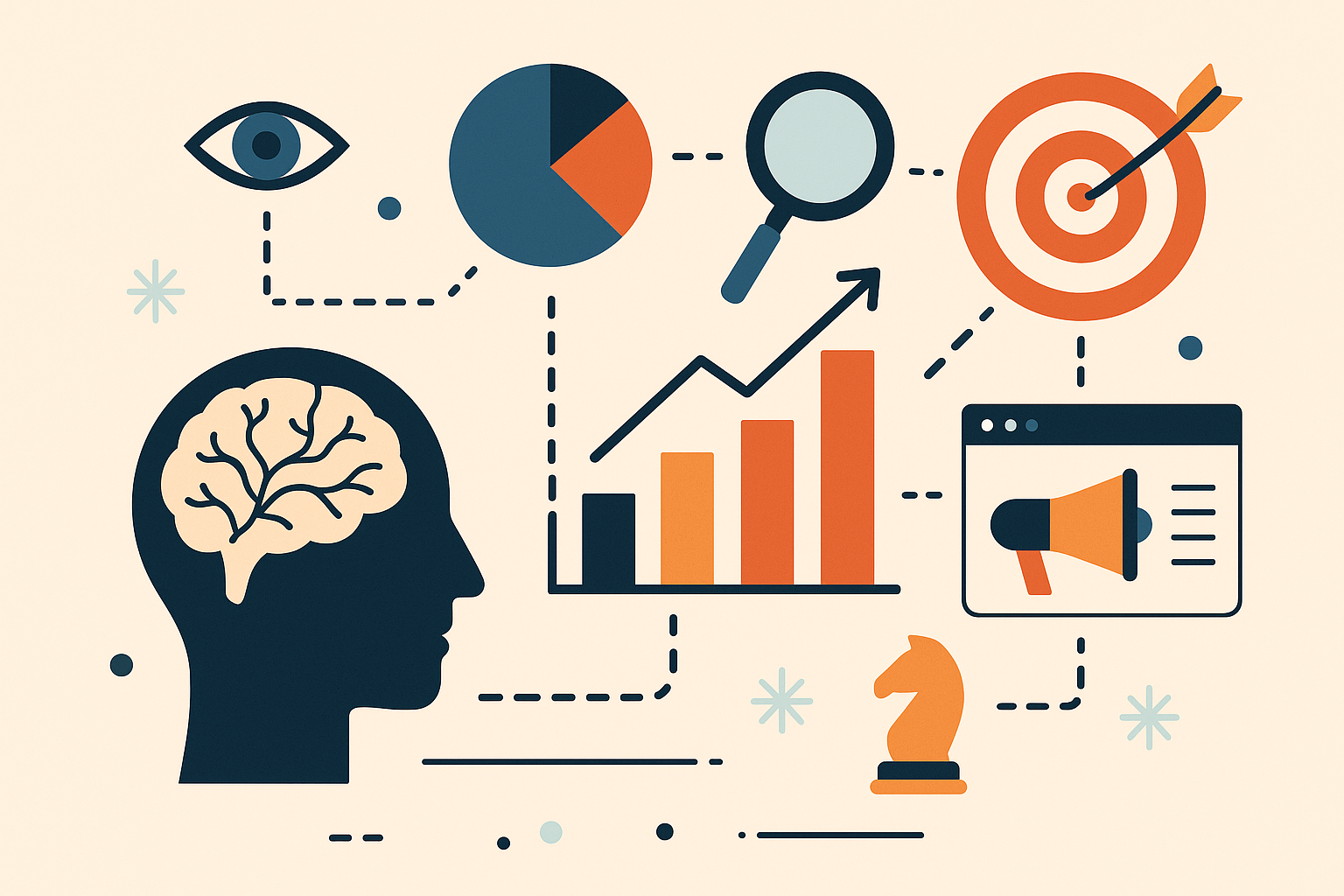
Discover how analyzing behavioral data transforms B2B marketing, enhancing personalization and ROI. This article explores techniques for data capture, analysis, and actionable strategies to refine your marketing campaigns for maximum impact.
📑 Table of Contents
- Understanding Behavioral Data in B2BMarketing
- The Role of Behavioral Data in Enhancing Customer Journeys
- Segmentation Based on User Behavior
- Trigger-based MarketingAutomation
- Integrating Behavioral Data with CRM Systems
- Enhancing Lead Scoring Models
- Optimizing Content Strategy Using Behavioral Insights
- Testing and Personalization
- Measuring the Impact of Behavioral Data Strategies
- Continuous Improvement through Feedback Loops
- Addressing Privacy and Ethical Considerations
- Consent and Data Security
- Practical Takeaway: Implementing Behavioral Data Strategies
Understanding Behavioral Data in B2B Marketing
Behavioral data refers to the collection of information about the actions and interactions of potential clients with a business's online platforms. This data includes website visits, email interactions, social media behaviors, and application usage. In the B2B sector, leveraging this data effectively allows marketers to understand their audience's needs, preferences, and pain points, enabling more targeted and successful marketing strategies.
The Role of Behavioral Data in Enhancing Customer Journeys
Every interaction a potential customer has with your brand tells a story. Behavioral data helps to map out the customer journey, showing how prospects interact with your content and platforms. By analyzing this data, marketers can optimize each touchpoint to improve user experience and increase engagement. For instance, if data shows high drop-off rates on a particular webpage, efforts can be focused on modifying that page to better retain interest.
Segmentation Based on User Behavior
Behavioral data enables the segmentation of audiences based on their actions, such as the types of products viewed or content downloaded. This segmentation allows for more personalized marketing efforts, as messages can be tailored to meet the specific interests and needs of different segments.
Trigger-based Marketing Automation
Utilizing behavioral data to set up trigger-based marketing automation can significantly enhance the timeliness and relevance of communications. For example, if a prospect downloads a case study, an automated email can be sent to them, providing further information on the topic or inviting them to a related webinar.
Integrating Behavioral Data with CRM Systems
Integrating behavioral data with Customer Relationship Management (CRM) systems creates a rich database of customer interactions that can enhance sales and marketing strategies. This integration allows for a more detailed understanding of each prospect's journey and interests, aiding in crafting highly customized outreach strategies that address the specific needs and behaviors of potential clients.
Enhancing Lead Scoring Models
Behavioral data can refine lead scoring models by incorporating how prospects interact with your content and platforms. Actions like repeated website visits, time spent on specific pages, or engagement with key content can indicate a higher level of interest and intent, thereby scoring these leads more highly and prioritizing them in sales follow-ups.
Optimizing Content Strategy Using Behavioral Insights
Content is a pivotal element in B2B marketing strategies. Behavioral data provides insights into which types of content are most effective at engaging specific audience segments. Analyzing metrics such as page views, download rates, and time spent on content can help marketers understand what resonates best with their audience, guiding content creation and distribution strategies to maximize impact.
Testing and Personalization
A/B testing guided by behavioral data can optimize content effectiveness. By testing different versions of a webpage, email, or call-to-action, marketers can identify which variations perform the best and refine their content accordingly. Personalization strategies, such as dynamic content that adapts based on user behavior, can also significantly increase engagement and conversion rates.
Measuring the Impact of Behavioral Data Strategies
To determine the effectiveness of strategies based on behavioral data, it's crucial to measure specific metrics related to marketing and sales performance. Metrics such as conversion rates, click-through rates, bounce rates, and the overall return on marketing investment (ROMI) provide valuable insights into how well your strategies are performing and where further optimizations might be needed.
Continuous Improvement through Feedback Loops
Creating feedback loops where data not only informs strategy but is also updated and refined based on outcomes ensures that marketing efforts remain effective and relevant. Regularly reviewing behavioral data and the success of strategies based on this data helps in continuously improving marketing approaches, keeping them aligned with evolving customer expectations and behaviors.
Addressing Privacy and Ethical Considerations
While leveraging behavioral data offers significant advantages in B2B marketing, it's essential to navigate the ethical and privacy aspects carefully. Strict adherence to data protection laws and regulations, such as GDPR in Europe, is crucial. Transparency with clients about data collection practices and ensuring their privacy can build trust and enhance brand reputation.
Consent and Data Security
Obtaining explicit consent from users for collecting and using their behavioral data is not just a legal necessity but also a practice that fosters trust. Implementing robust data security measures to protect this information from breaches is equally important to maintain confidentiality and integrity.
Practical Takeaway: Implementing Behavioral Data Strategies
To effectively leverage behavioral data in B2B marketing, begin by conducting an audit of the data currently collected and integrate this information with your CRM systems. Develop a plan for segmenting your audience based on their behavior and tailor your marketing automation accordingly. Continuously measure the impact of these strategies, refine your approaches based on these measurements, and remain vigilant about ethical and privacy issues. By following these steps, businesses can harness the power of behavioral data to significantly enhance their B2B marketing efforts, leading to better customer engagement and increased sales.
Frequently Asked Questions
What is behavioral data and how is it used in B2B marketing?
Behavioral data refers to the information collected about the actions and engagements of potential and existing customers with a business. In B2B marketing, this data includes website visits, email interactions, social media activity, and other online behaviors. Marketers use this data to understand customer preferences, predict future behaviors, and personalize marketing campaigns, which can lead to more effective targeting and improved conversion rates.
How can behavioral data improve the effectiveness of content marketing?
Behavioral data can significantly enhance content marketing by allowing marketers to tailor content based on the specific interests and behaviors of their audience. By analyzing which types of content generate the most engagement or lead to conversions, marketers can optimize their content strategy to produce more relevant and compelling materials. This targeted approach not only increases the likelihood of engagement but also improves the overall ROI of the marketing campaigns.
What strategies can be employed to collect high-quality behavioral data?
To collect high-quality behavioral data, businesses can employ several strategies such as implementing tracking pixels on their websites, using analytics tools to monitor user interactions, and integrating CRM systems with digital marketing platforms to capture a wide range of customer actions. Additionally, ensuring data accuracy and consistency, respecting user privacy, and obtaining explicit consent for data collection are crucial for maintaining the integrity and reliability of the data collected.
What are the ethical considerations when using behavioral data in marketing?
When using behavioral data in marketing, it is essential to consider ethical aspects such as data privacy, consent, and transparency. Businesses should comply with relevant data protection regulations (like GDPR or CCPA), ensure that data is collected with clear consent, and be transparent about how the data is used. Respecting customer privacy and using data responsibly builds trust and enhances the reputation of the business, which is vital for long-term success in B2B environments.
Sources and References
- The New Science of B2B Sales - This McKinsey report explores how behavioral data is revolutionizing B2B sales, aligning closely with our discussion on enhancing customer journeys through data-driven insights. It provides evidence on the effectiveness of using detailed customer behavior analysis to tailor marketing strategies.
- Using Behavioral Data to Improve Marketing Campaigns - An article from Harvard Business Review that delves into the methodologies of leveraging behavioral data in marketing. It supports our segment on segmentation based on user behavior, offering real-world examples and strategies that have proven successful in B2B settings.
- Trigger-Based Marketing Automation Best Practices - Forrester's comprehensive guide provides a deep dive into trigger-based marketing automation, echoing our discussion on the same topic. It outlines best practices and frameworks that companies can adopt to effectively respond to behavioral triggers.
- Integrating Large Scale Behavioral Data with Traditional CRM Systems - A research paper published by Google, which examines the integration of behavioral data with CRM systems. This source is particularly relevant to our discussion on CRM integration, providing technical insights and potential benefits highlighted in our article.
- What is Marketing Automation? - Salesforce provides an overview of marketing automation, reinforcing our discussion on how automation tools can leverage behavioral data to optimize B2B marketing efforts. The page includes case studies and statistics that illustrate the impact of effective marketing automation.
- How to Build a Data-Driven Content Strategy - This article from the Content Marketing Institute complements our section on content strategies informed by behavioral data. It offers practical advice on analyzing and applying data to craft content that resonates with B2B audiences.