How B2B Marketing Automation Boosts Efficiency and Drives Growth
Understanding the Role of Automation in B2B Marketing Marketing automation has become a cornerstone in B2B marketing strategies due to its ability to...

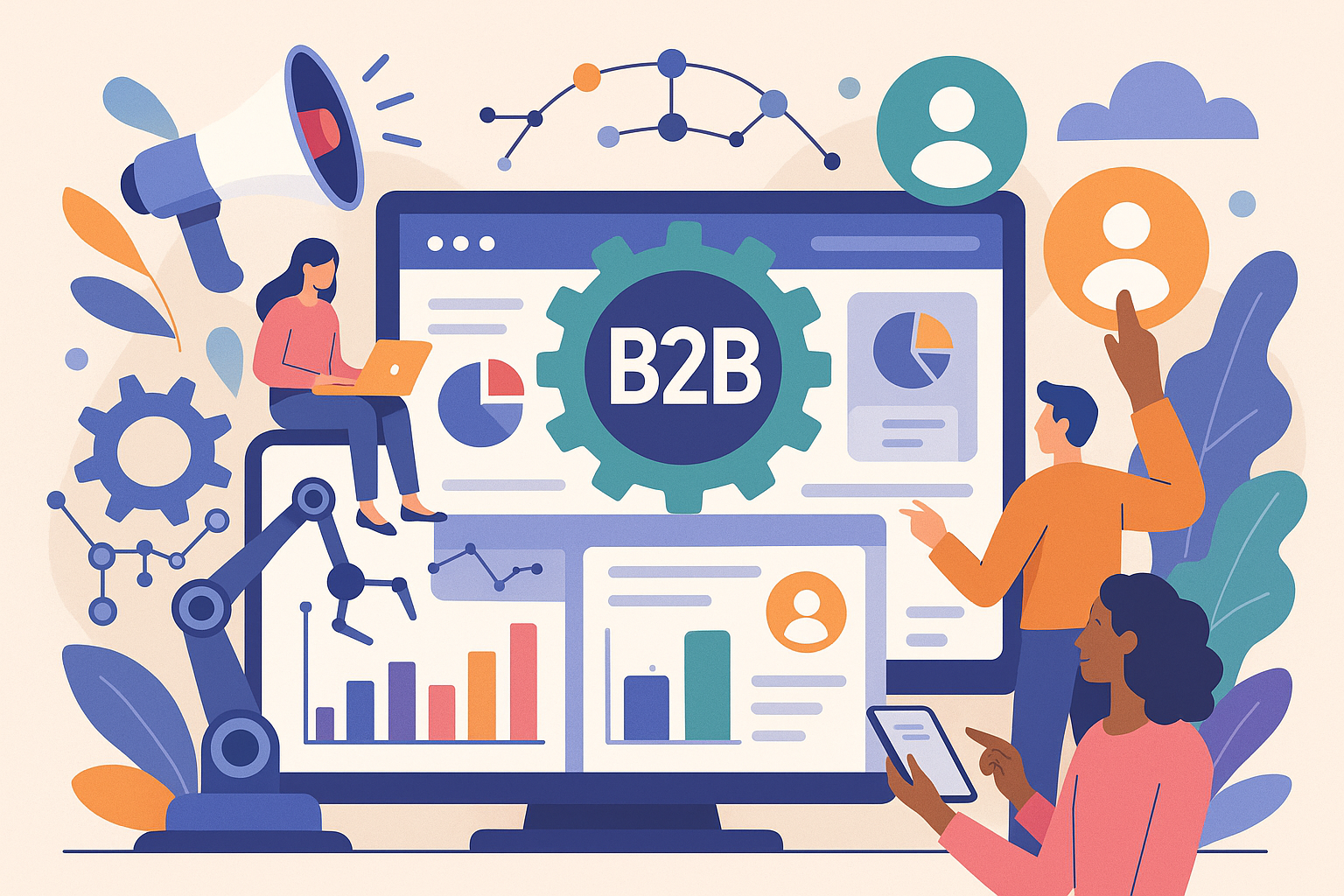
Discover how implementing a B2B marketing automation strategy can streamline your processes, improve lead generation, and enhance customer engagement. Learn the key steps to set up a successful system and the benefits it brings to your business efficiency.
📑 Table of Contents
- Understanding the Role of Automation in B2BMarketing
- Selecting the Right Marketing Automation Platform
- Evaluating Vendor Support and Community
- Integrating Automation into Your Marketing Strategy
- Ensuring Data Consistency Across Systems
- Personalizing Customer Communications with Automation
- Utilizing Behavioral Triggers for Enhanced Personalization
- Measuring and Optimizing the Impact of Automation
- Adapting Strategies Based on Analytics
- Addressing Common Challenges in Marketing Automation
- Avoiding Over-Automation
- Practical Takeaways for Implementing Marketing Automation
Understanding the Role of Automation in B2B Marketing
Marketing automation has become a cornerstone in B2B marketing strategies due to its ability to streamline operations, personalize customer interactions, and enhance overall efficiency. At its core, marketing automation involves using software tools to automate repetitive marketing tasks, allowing teams to focus on strategy and creative efforts that require human insight. This includes tasks such as email marketing, social media posting, lead generation, and customer segmentation.
Selecting the Right Marketing Automation Platform
Choosing the appropriate marketing automation platform is critical. The best platform for your business should integrate seamlessly with your existing tools and align with your specific marketing goals. Key features to consider include lead management, email marketing capabilities, analytics, CRM integration, and scalability. It's also important to evaluate the platform's user interface and support services, as these factors significantly impact the ease of use and adoption rate among your team.
Evaluating Vendor Support and Community
Beyond the technical specifications, consider the level of support provided by the vendor. A responsive support team and a vibrant user community can greatly enhance your ability to implement and use the automation platform effectively.
Integrating Automation into Your Marketing Strategy
Integration is more than just a technical setup; it involves aligning the automation tools with your marketing strategy to ensure coherence and synergy across all channels. Start by defining your marketing objectives and the key performance indicators (KPIs) you will use to measure success. Then, map out how each automation function will help you achieve these goals. For instance, if lead nurturing is a priority, set up automated email sequences triggered by specific customer actions or engagement levels.
Ensuring Data Consistency Across Systems
To maximize the benefits of automation, ensure that data flows seamlessly between your CRM, automation platform, and other marketing tools. Data consistency helps in maintaining accurate segmentation, personalization, and reporting.
Personalizing Customer Communications with Automation
Personalization is a powerful tool in the B2B marketing arsenal, and automation makes personalizing communication at scale possible. Use data insights to segment your audience into distinct groups based on behavior, needs, or demographics. Automated campaigns can then deliver tailored messages that resonate with each segment, increasing the chances of engagement and conversion.
Utilizing Behavioral Triggers for Enhanced Personalization
Implement behavioral triggers such as website activity or email engagement to automate personalized responses. For example, if a prospect downloads a white paper, the system can automatically send a follow-up email with related content or an invitation to a webinar.
Measuring and Optimizing the Impact of Automation
Measuring the effectiveness of your marketing automation efforts is crucial to justify the investment and to make continuous improvements. Standard metrics to track include engagement rates, conversion rates, and ROI. However, also consider less direct metrics such as customer satisfaction and lifetime value.
Adapting Strategies Based on Analytics
Use the data collected by your automation platform to refine and adapt your marketing strategies. Analytical tools can help identify trends, pinpoint successful tactics, and highlight areas needing improvement.
Addressing Common Challenges in Marketing Automation
While marketing automation offers numerous benefits, it also comes with challenges. Common issues include data quality problems, managing change within the organization, and keeping the content relevant. To overcome these, maintain rigorous data hygiene practices, ensure thorough training for your team, and regularly update your content and segmentation criteria to reflect current market conditions.
Avoiding Over-Automation
It's important to find the right balance in automation. Over-automation can lead to impersonal customer experiences or the neglect of creative marketing aspects. Always keep a human touch in your interactions and use automation to enhance, not replace, personal connections.
Practical Takeaways for Implementing Marketing Automation
To effectively implement a B2B marketing automation strategy, start with a clear understanding of your goals and how automation can meet them. Choose a platform that integrates well with your existing systems and offers the features you need. Focus on personalizing the customer experience and use data-driven insights to continuously optimize your efforts. Finally, be mindful of potential challenges and maintain a balance between automated and human interactions. With these strategies, marketing automation can significantly enhance the efficiency and effectiveness of your B2B marketing efforts.
Frequently Asked Questions
What is B2B marketing automation?
B2B marketing automation refers to the use of software and technology to execute, manage, and automate marketing tasks and processes in a business-to-business (B2B) context. It aims to streamline marketing workflows, increase efficiency, and enhance the effectiveness of marketing campaigns by targeting specific business customers with personalized communication based on collected data.
How does marketing automation benefit B2B companies?
Marketing automation benefits B2B companies by improving lead generation and nurturing, enhancing customer segmentation, increasing marketing and sales alignment, and enabling more effective measurement and analysis of marketing campaigns. This leads to more efficient resource allocation, higher conversion rates, and ultimately, increased revenue.
What are key features to look for in a B2B marketing automation platform?
Key features to look for in a B2B marketing automation platform include lead management, email marketing, campaign management, analytics and reporting tools, CRM integration, social media capabilities, and user-friendly interface. It's important that the platform can handle the scale and complexity of B2B operations and integrates well with other business systems.
How should data be managed in a marketing automation strategy?
Effective data management in a marketing automation strategy involves ensuring data quality, securing customer data privacy, integrating data from various sources, and utilizing data analytics to derive actionable insights. Regular data audits and cleanses should be performed to maintain data accuracy and relevance, which is crucial for successful automation and personalization of marketing efforts.
Sources and References
- The Forrester Wave: Marketing Automation Platforms Q4 2020 - This Forrester report evaluates the top marketing automation platforms, providing insights that are crucial for businesses choosing the right platform for their B2B marketing strategies. It covers aspects such as usability, integration capabilities, and advanced features that enhance marketing efficiency.
- The Evolution of Marketing Automation - An article from Harvard Business Review that discusses the transformative role of automation in marketing, particularly in the B2B sector. It offers a deep dive into how automation technology can streamline marketing processes and improve customer engagements, directly supporting the discussion on integrating automation into marketing strategies.
- Artificial Intelligence and Marketing: The Impact of AI on Future of Marketing - A research paper from arxiv.org that explores the impact of AI on marketing, with specific sections on automation and data analytics. This source is pivotal in understanding the intersection of AI and marketing automation, supporting content that discusses the role of AI in B2B marketing automation.
- What is Marketing Automation? - Salesforce provides a comprehensive overview of marketing automation, explaining its importance in achieving marketing goals and enhancing customer relationships in a B2B context. This source is useful for readers new to the concept and supports sections that discuss the fundamental role of automation in marketing.
- Content Marketing & Automation: Aligning Technology with Strategy - An insightful article by Content Marketing Institute that discusses how to effectively integrate automation tools into content marketing strategies. It provides practical advice and case studies, relevant to the article's section on integrating automation into your marketing strategy.
- Salesforce API Documentation: Data Integration - Official Salesforce documentation that provides detailed information on data integration techniques and tools. This is crucial for understanding how to ensure data consistency across different systems when implementing marketing automation solutions.