How B2B Marketers Win With a Robust Omnichannel Strategy
The Importance of Omnichannel Strategy in B2B Marketing Omnichannel marketing represents a shift in how businesses engage with their customers. Instead of...

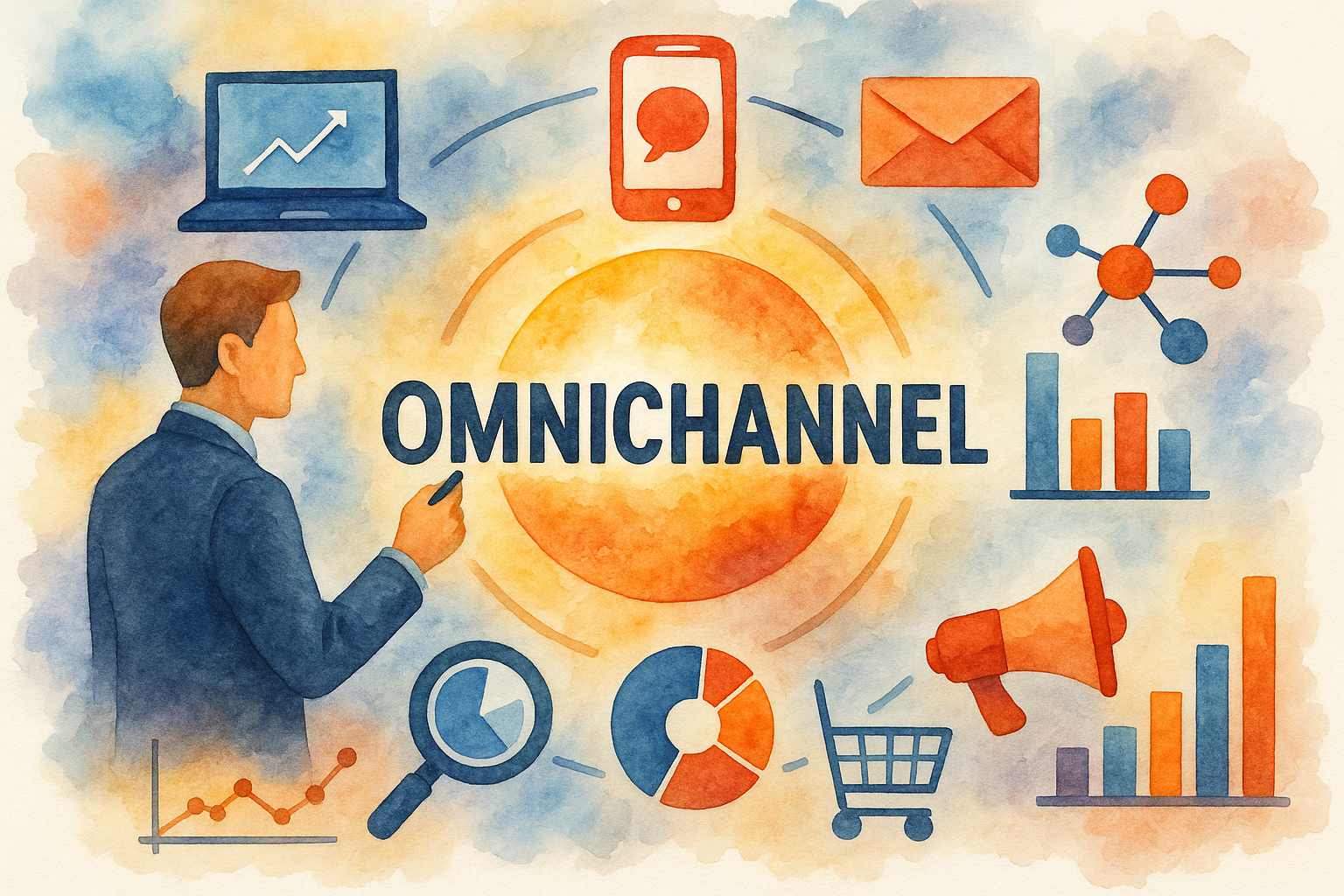
Discover how an omnichannel approach can enhance your B2B marketing strategy, fostering seamless customer experiences across all platforms. Learn the benefits, key strategies, and real-world examples to effectively integrate this model into your business operations.
📑 Table of Contents
- The Importance of Omnichannel Strategy in B2BMarketing
- Understanding Your Audience's Needs and Behaviors
- Designing an Integrated Marketing Communications Plan
- Utilizing Technology to Enhance Omnichannel Efforts
- Measuring the Success of Your Omnichannel Strategy
- Addressing Potential Challenges in Omnichannel Marketing
- Practical Takeaway: Implementing an Effective Omnichannel B2B Marketing Strategy
The Importance of Omnichannel Strategy in B2B Marketing
Omnichannel marketing represents a shift in how businesses engage with their customers. Instead of isolated, channel-specific strategies, it integrates multiple channels to provide a cohesive user experience. In B2B contexts, where the customer journey is complex and often involves multiple stakeholders, an omnichannel approach can significantly enhance the effectiveness of marketing efforts.
Understanding Your Audience's Needs and Behaviors
A successful omnichannel strategy starts with a deep understanding of your target audience. B2B buyers are typically well-informed, rational, and make decisions that involve several layers of approval. Hence, understanding the specific needs, preferences, and behaviors of your audience across different channels is crucial. ### Conducting Comprehensive Buyer Persona Research Develop detailed buyer personas that go beyond job titles and industry sectors. Consider what specific problems each persona faces, the type of content they consume, and the channels they use. This information helps tailor your marketing messages and choose the most effective channels for engagement. ### Leveraging Data Analytics Utilize data analytics to track and understand how different personas interact with your content across various channels. This insight allows for more personalized and timely interactions, which are key in building trust and authority with B2B clients.
Designing an Integrated Marketing Communications Plan
An integrated communications plan ensures that all marketing efforts across different channels are consistent and complement each other, enhancing the overall impact of your marketing strategy. ### Crafting a Unified Message Your brand message should be clear and consistent across all channels. This coherence helps reinforce your brand identity and aids in building a trustworthy image. ### Coordinating Across Channels Ensure that all teams are on the same page. For instance, your social media, email, and content marketing teams should coordinate to create a seamless customer experience. Regular meetings and integrated planning tools can help synchronize these efforts.
Utilizing Technology to Enhance Omnichannel Efforts
Technology plays a critical role in implementing an effective omnichannel strategy. From CRM systems to marketing automation tools, the right technology can make a significant difference. ### Marketing Automation Tools These tools can help automate repetitive tasks, ensure no customer interaction is missed, and personalize content at scale. For example, if a potential client interacts with a particular content piece, automation tools can trigger a targeted follow-up email. ### CRM Integration A robust CRM system that integrates information from all touchpoints provides a comprehensive view of each customer's journey. This integration allows for more informed decision making and more personalized marketing strategies.
Measuring the Success of Your Omnichannel Strategy
Without measurement, it's difficult to determine the effectiveness of your omnichannel strategy. It’s important to define clear metrics and KPIs from the outset. ### Key Performance Indicators (KPIs) Common KPIs in omnichannel B2B marketing include lead generation rates, conversion rates, customer retention rates, and overall ROI. These metrics should be monitored regularly to assess the health of your marketing efforts. ### Continuous Improvement Based on the data collected, continually refine and optimize your strategy. This might mean adjusting the mix of channels, changing messaging, or reallocating budgets to more effective tactics.
Addressing Potential Challenges in Omnichannel Marketing
While the benefits of an omnichannel approach are clear, there are several challenges that businesses may encounter. ### Data Silos Data silos can obstruct a unified view of customer interactions. Ensuring that all systems are integrated and that data flows seamlessly between them is crucial for a true omnichannel approach. ### Change Management Moving to an omnichannel strategy can require significant changes in company culture and processes. It’s important to manage this change carefully, ensuring all team members understand the benefits and are trained in new systems and processes.
Practical Takeaway: Implementing an Effective Omnichannel B2B Marketing Strategy
To implement a successful omnichannel B2B marketing strategy, start by thoroughly understanding your audience and crafting a unified message. Utilize the right technology to streamline and automate processes, and ensure all marketing communications are integrated and consistent across channels. Regularly measure the impact of your efforts using defined KPIs and be ready to make adjustments based on performance data. Finally, be aware of challenges such as data silos and the need for change management, and plan strategies to address these effectively. By following these steps, you can create a powerful omnichannel presence that resonates with B2B customers and drives your business objectives.
Frequently Asked Questions
What is an Omnichannel Approach in B2B Marketing?
An omnichannel approach in B2B marketing refers to a strategy that provides a seamless and consistent experience across multiple channels and touchpoints. This approach integrates various marketing channels — such as email, social media, websites, and offline interactions — to engage with potential business clients in a cohesive manner. The goal is to ensure that all channels work together harmoniously, leveraging data and insights to deliver personalized and effective marketing messages that resonate with the target audience.
Why is data important in implementing an Omnichannel Strategy?
Data plays a crucial role in implementing an omnichannel strategy as it provides insights into customer behaviors, preferences, and interactions across different channels. By analyzing this data, businesses can create a more targeted and personalized marketing approach, enhance customer engagement, and improve overall customer satisfaction. Data helps in predicting customer needs, optimizing marketing efforts, and aligning messages and offerings across all channels to deliver a consistent and unified customer experience.
How can businesses choose the right channels for an Omnichannel Marketing Strategy?
Choosing the right channels for an omnichannel marketing strategy involves understanding where your target audience spends their time and how they prefer to receive information. Businesses should conduct thorough research to identify the most effective channels for reaching their specific audience. This might include a mix of digital channels like email, social media, and professional networks, along with traditional channels like events and print media. The key is to ensure that each channel is used in a way that complements the others, maintaining a consistent brand message and optimizing resource allocation to maximize ROI.
Sources and References
- The B2B digital inflection point: How sales have changed during COVID-19 - This McKinsey report discusses the accelerated shift towards digital and omnichannel strategies in B2B marketing due to the pandemic. It supports the article's discussion on the importance of an omnichannel strategy in adapting to new business environments and consumer behaviors.
- Adapting Your Marketing Strategy for the Digital Age - This Harvard Business Review article provides insights into designing integrated marketing communications plans that align with digital transformation trends. It reinforces the article's section on designing an effective omnichannel marketing strategy that integrates various communication channels.
- The Forrester Wave™: Omnichannel Demand-Side Platforms, Q2 2017 - Forrester's research evaluates top technology platforms that facilitate omnichannel marketing. This source is particularly relevant to the article's discussion on utilizing technology to enhance omnichannel efforts, providing a critical analysis of tools that can support B2B marketers.
- Artificial Intelligence and Machine Learning in Dynamic Pricing Strategies - This academic paper from arXiv provides an in-depth look at how AI can be used to optimize pricing strategies in an omnichannel approach. This supports the article's mention of AI as a key technology in understanding and reacting to audience behaviors in real-time.
- Omnichannel Marketing Strategy Best Practices - Salesforce offers a comprehensive guide on best practices for implementing an omnichannel marketing strategy. This source adds depth to the article's section on measuring the success of omnichannel strategies, providing practical advice and metrics to consider.
- U.S. Census Bureau Time Series Data - This government resource provides extensive data sets that can be used to analyze market trends and consumer behavior over time. It is relevant to the article's discussion on understanding audience needs and behaviors, offering authoritative statistical data to back up strategic decisions.