How B2B Marketers Boost ROI Through Continuous Analytics
Understanding the Role of Analytics in B2B Marketing Analytics in B2B marketing serves as the backbone for strategic decision-making and continuous...

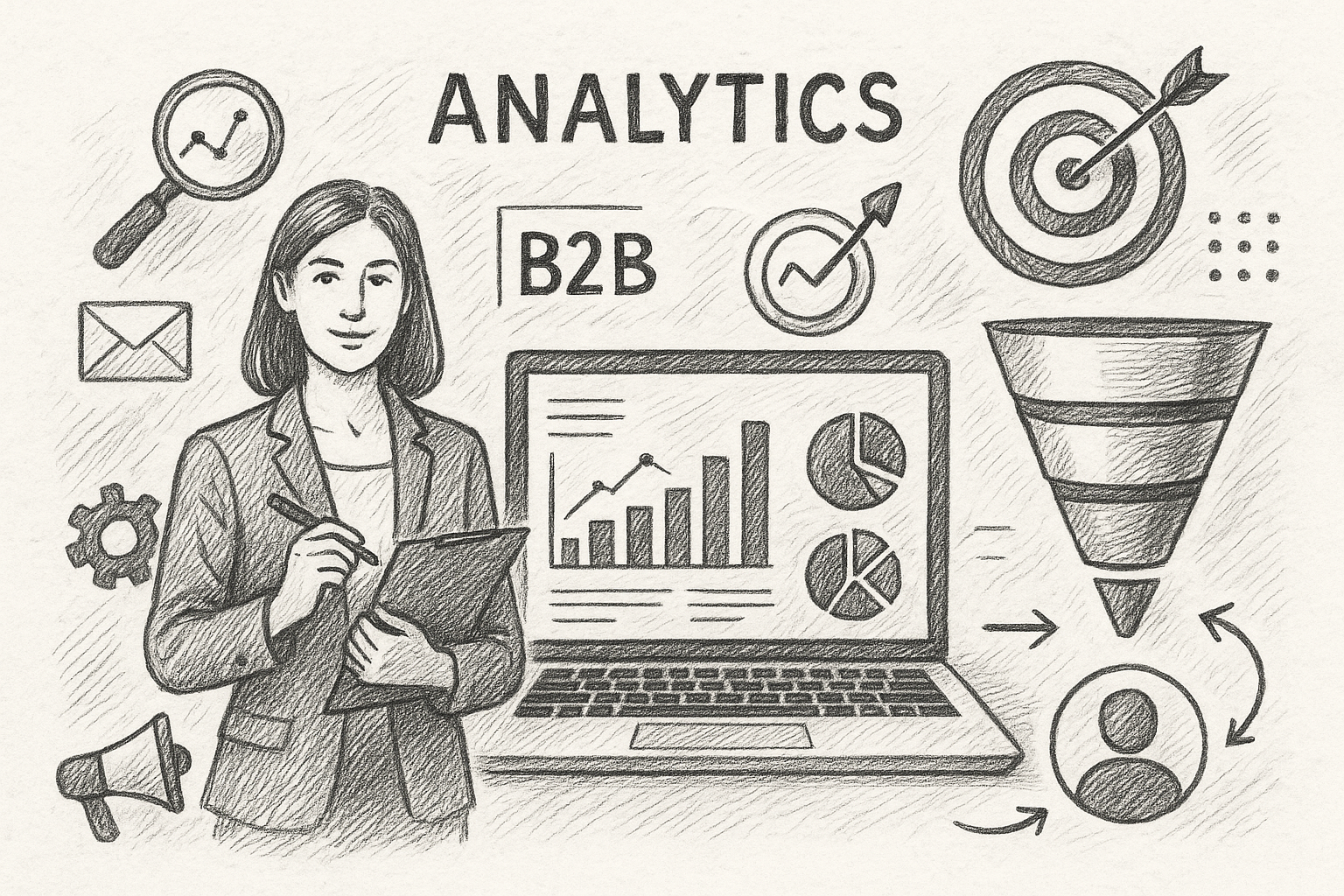
Discover how analytics can transform B2B marketing strategies, enhancing customer understanding and ROI. This article explores tools and techniques for data-driven decision-making and continuous improvement.
📑 Table of Contents
- Understanding the Role of Analytics in B2BMarketing
- Setting Up the Right Analytical Tools and Frameworks
- Segmenting Data for Enhanced Insights
- Utilizing Predictive Analytics
- Continuous Testing and Optimization
- Measuring Success and ROI
- Practical Takeaway: Implementing a Data-Driven Marketing Strategy
Understanding the Role of Analytics in B2B Marketing
Analytics in B2B marketing serves as the backbone for strategic decision-making and continuous improvement. By harnessing data, businesses can uncover valuable insights about their marketing campaigns, customer behavior, and market trends. This data-driven approach enables marketers to optimize their strategies, enhance customer engagement, and ultimately drive higher ROI. To effectively leverage analytics, it's crucial to first establish clear objectives. These might include increasing lead generation, improving conversion rates, or enhancing customer retention. Once objectives are set, marketers can identify the key performance indicators (KPIs) that will best measure their success.
Setting Up the Right Analytical Tools and Frameworks
Choosing the right tools is pivotal in gathering accurate and actionable data. There are several robust analytical tools available that cater to different aspects of B2B marketing. These range from customer relationship management (CRM) systems that track sales interactions to digital marketing platforms that provide insights into online behavior and campaign performance. When setting up these tools, ensure they are integrated seamlessly with each other to provide a holistic view of the marketing funnel. This integration allows for the tracking of a customer’s journey from the first point of contact through to sale and post-sale interactions, offering a comprehensive understanding of customer behavior and campaign effectiveness.
Segmenting Data for Enhanced Insights
Data segmentation is a powerful technique in analytics that involves dividing a large set of data into smaller, more manageable segments based on specific criteria. In B2B marketing, this could involve segmenting data by industry, company size, or the stage in the buying cycle. This approach not only simplifies data analysis but also allows for more targeted and effective marketing strategies. For instance, understanding the needs and behaviors of small businesses versus large enterprises can help tailor content and communications that resonate with each segment, thereby improving engagement and conversion rates.
Utilizing Predictive Analytics
Predictive analytics uses historical data to forecast future outcomes. This can be particularly useful in B2B marketing for predicting buyer behavior, optimizing pricing strategies, and identifying potential market shifts. By analyzing past customer interactions and sales trends, marketers can predict which leads are most likely to convert, allowing them to prioritize resources and personalize outreach efforts effectively. Implementing predictive analytics involves collecting high-quality, relevant data and employing statistical algorithms and machine learning techniques to interpret this data. This not only helps in making informed decisions but also in anticipating market trends and staying ahead of competitors.
Continuous Testing and Optimization
The landscape of B2B marketing is constantly evolving, making continuous testing and optimization crucial. A/B testing or split testing is a method where two versions of a campaign are compared to determine which one performs better. This approach allows marketers to continuously refine their strategies based on real data. Moreover, it’s important to not just focus on short-term metrics but also on long-term outcomes like customer lifetime value (CLV) and brand loyalty. Regularly revisiting and revising the marketing strategy based on these insights ensures that the approach remains relevant and effective over time.
Measuring Success and ROI
Ultimately, the success of leveraging analytics in B2B marketing is measured by the return on investment (ROI). It's essential to have a robust system in place for tracking the ROI of various marketing initiatives. This involves not only measuring direct outcomes such as sales and lead conversions but also indirect impacts like brand awareness and customer satisfaction. Tools like multi-touch attribution models can be useful here, as they help attribute revenue back to specific marketing activities, providing a clear picture of what is working and what isn’t. This data is invaluable for justifying marketing spend and for making informed strategic decisions.
Practical Takeaway: Implementing a Data-Driven Marketing Strategy
To effectively leverage analytics for continuous improvement in B2B marketing, start by setting clear goals and selecting the right analytical tools. Focus on integrating these tools for a unified data collection system, and use segmentation and predictive analytics to gain deeper insights. Continuously test and optimize your strategies based on robust metrics and measure your success by tracking ROI comprehensively. By adopting a systematic approach to analytics, B2B marketers can not only improve their current marketing efforts but also anticipate future challenges and opportunities, ensuring sustainable business growth.
Frequently Asked Questions
What is the role of analytics in B2B marketing?
Analytics in B2B marketing plays a crucial role in understanding customer behavior, optimizing marketing strategies, and improving decision-making. By analyzing data collected from various marketing channels, businesses can identify trends, measure campaign effectiveness, and enhance customer engagement. This continuous loop of analysis and improvement helps in refining marketing tactics to better meet business objectives and customer needs.
How can B2B marketers use data to improve customer relationships?
B2B marketers can leverage data to improve customer relationships by personalizing communications, predicting customer needs, and providing timely solutions. By analyzing customer interactions and feedback, marketers can create targeted strategies that address specific customer concerns and preferences. This tailored approach not only enhances the customer experience but also builds trust and loyalty, which are crucial for long-term business success.
What tools are essential for effective B2B marketing analytics?
Essential tools for effective B2B marketing analytics include customer relationship management (CRM) systems, web analytics tools, social media analytics platforms, and data visualization software. These tools help in collecting, analyzing, and presenting data in a meaningful way, enabling marketers to gain insights into campaign performance, customer engagement, and overall market trends. The integration of these tools into a cohesive analytics strategy allows for more informed decision-making and strategic planning.
Sources and References
- The B2B digital inflection point: How sales have changed during COVID-19 - This McKinsey report provides insights into the accelerated adoption of digital tools and analytics in B2B marketing due to the COVID-19 pandemic. It supports the article's discussion on the necessity of setting up the right analytical tools and frameworks in the current business environment.
- What B2B Sales Need from Tech Right Now - This article from Harvard Business Review discusses the specific technological needs of B2B sales teams, including analytics tools. It reinforces the article's points on the importance of selecting appropriate tools that align with business goals for continuous improvement in marketing strategies.
- Predictive Analytics in Customer Insight - A research paper hosted on arXiv providing a deep dive into the use of predictive analytics for gaining customer insights. This source is particularly relevant to the section of the article that discusses utilizing predictive analytics to forecast customer behaviors and improve marketing efforts.
- The Future Of B2B Buying And How Sales Organizations Should Adapt - Forrester's analysis on the evolving B2B buying landscape and the implications for sales strategies, including the use of advanced data segmentation for enhanced insights. This supports the article's discussion on segmenting data to tailor marketing strategies more effectively.
- How to Use Data-Driven Decisions to Drive Content Strategy - An article from Content Marketing Institute that explains how data-driven decisions can optimize content marketing strategies. It complements the article's section on continuous testing and optimization, providing practical examples of how analytics can drive marketing improvements.
- How AI is Transforming B2B Marketing - A blog post on Salesforce’s developer site discussing the impact of AI and analytics in transforming B2B marketing strategies. This source is particularly relevant to the article's emphasis on leveraging AI for data analysis and predictive insights in marketing.