How B2B Companies Can Forge a Robust Brand Identity
Brand identity is not just a logo or a slogan; it represents the essence of a company, influencing perception and driving business value. For B2B companies, a...

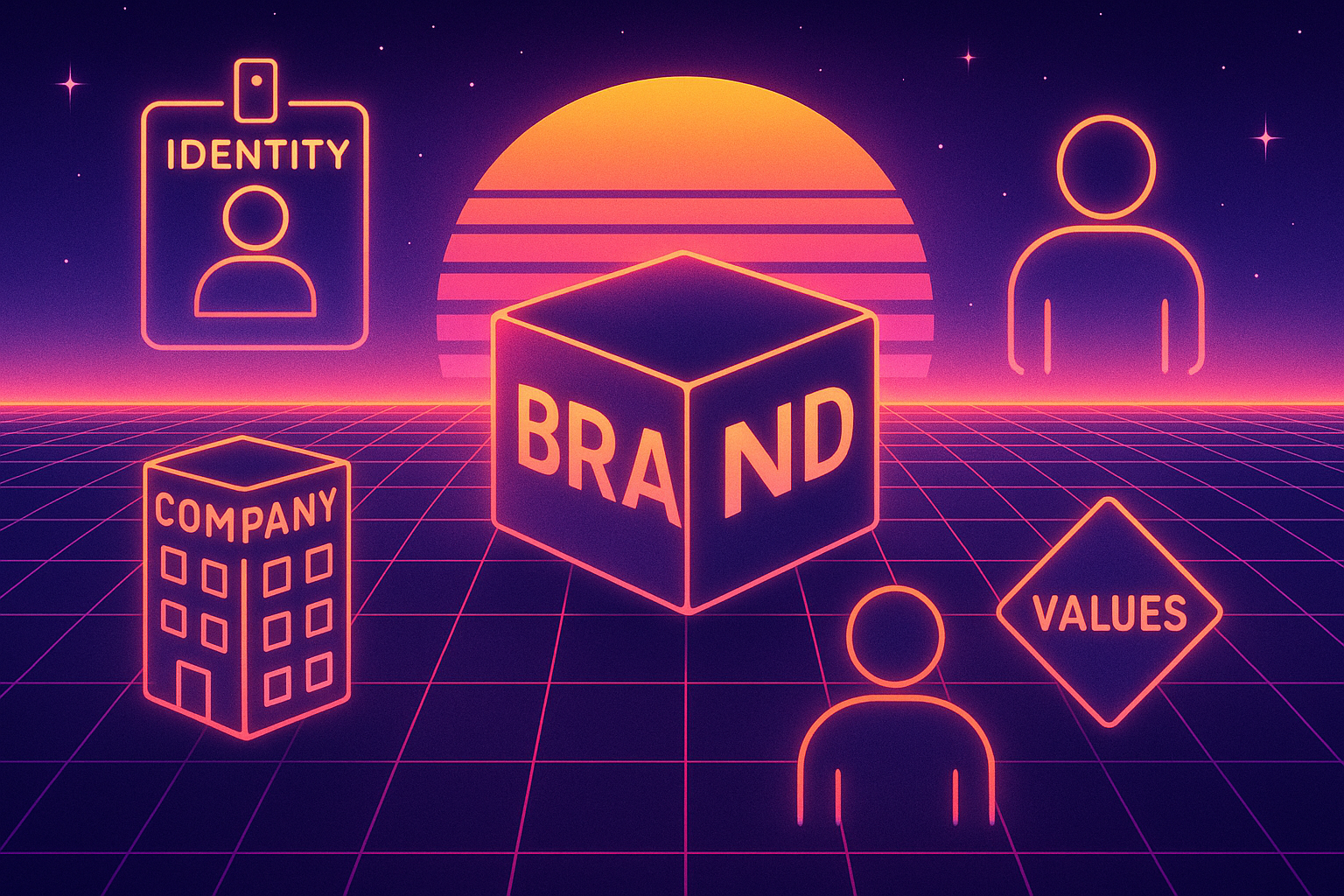
Discover key strategies to build a powerful brand identity for B2B companies. Learn to define your unique value, create a consistent message across all platforms, and effectively engage your target audience to foster trust and loyalty.
📑 Table of Contents
- Understanding the Importance ofBrandIdentity in B2B Markets
- Defining Your Brand's Core: Mission, Vision, and Values
- Developing a Visual Identity That Communicates Your Brand
- Building a Brand Voice and Personality
- Aligning Brand Identity Across Customer Touchpoints
- Leveraging Data to Refine Your Brand Identity
- Sustaining and Evolving Your Brand Identity Over Time
Understanding the Importance of Brand Identity in B2B Markets
Brand identity is not just a logo or a slogan; it represents the essence of a company, influencing perception and driving business value. For B2B companies, a strong brand identity is crucial as it transcends mere product features to build trust and credibility with a typically more rational and informed customer base. Establishing a robust brand identity helps differentiate from competitors, facilitates easier entry into new markets, and enhances customer loyalty.
Defining Your Brand's Core: Mission, Vision, and Values
The foundation of a strong brand identity starts with a clear understanding of your company's mission, vision, and values. These elements define what your company stands for and guide all strategic decisions and communications.
- Mission Statement: This is a concise declaration of your company's main goal. It should answer the fundamental question, "Why do we exist?"
- Vision Statement: This looks to the future, stating what the company aspires to achieve long-term.
- Core Values: These are the principles that guide the behavior and decisions of the company.
Engage stakeholders in workshops or surveys to gather insights that ensure these statements genuinely reflect the collective vision and are not just top-down dictates. Learn more at scikit-learn.org AI research
Developing a Visual Identity That Communicates Your Brand
Visual identity includes logos, color schemes, typography, and other visual elements that consistently and effectively reflect your brand's core values and messages. This identity should resonate with your target audience, be memorable, and stand the test of time.
- Logo: Design a logo that is simple, scalable, and relevant to your industry. It should work both in color and in black and white.
- Color Palette: Choose colors that evoke the emotions and values associated with your brand. Colors have psychological impacts and can influence perception.
- Typography: Select typefaces that reflect your brand's character and are legible across various mediums.
Ensure all visual elements are versatile for use across different mediums, from digital platforms to physical marketing materials.
Building a Brand Voice and Personality
Your brand voice is how you communicate with your audience, and it should be consistent across all channels. Whether it’s professional, friendly, authoritative, or innovative, your voice should reflect your brand’s personality and resonate with your target audience.
Create a style guide that outlines how your brand communicates, including tone, key phrases, and even grammar preferences. This guide ensures consistency and helps new team members understand how to represent the brand.
Aligning Brand Identity Across Customer Touchpoints
Every interaction with your brand should reinforce your identity. This consistency builds recognition and trust, crucial in the B2B decision-making process.
- Website: Ensure your website design reflects your visual identity and communicates your brand's core messages. It should be professional, user-friendly, and optimized for conversions.
- Content Marketing: Produce high-quality content that not only informs but also reinforces your brand values and voice.
- Social Media: Use platforms that are most relevant to your audience to share content that enhances your brand's thought leadership and community engagement.
- Customer Service: Train your team to interact with customers in a way that reflects your brand’s values and voice.
Regularly audit these touchpoints to ensure they consistently communicate your brand identity effectively.
Leveraging Data to Refine Your Brand Identity
Data-driven insights are invaluable in optimizing your brand identity. Use analytics tools to track how your brand is perceived and how effectively your identity is communicated through various channels.
- Customer Feedback: Regularly gather and analyze customer feedback to understand their perception of your brand.
- Brand Audits: Conduct periodic reviews of your brand’s representation across all touchpoints.
- A/B Testing: Test different elements of your brand identity to see what resonates best with your audience and leads to better engagement and conversion rates.
Adjust your strategies based on these insights to maintain a relevant and compelling brand identity.
Sustaining and Evolving Your Brand Identity Over Time
A brand identity is not static but evolves with market trends, customer expectations, and the company’s own growth trajectory. Regularly revisit and possibly refresh your brand elements to ensure they stay relevant and effective.
- Keep the Core Intact: While the visual and communicative aspects might adapt, the core mission, vision, and values should remain consistent unless significant strategic shifts occur.
- Monitor Trends: Stay informed about changes in your industry and broader market trends to preemptively adjust your branding strategy.
- Engage Stakeholders: Involve employees, partners, and customers in the evolution process to ensure the updated brand identity remains authentic and resonant.
By integrating these strategies, B2B companies can develop a strong brand identity that not only stands out in the marketplace but also builds lasting relationships with their customers. Remember, a powerful brand identity is a blend of consistency in core values and adaptability in expression, ensuring relevance in an ever-changing business environment.
Frequently Asked Questions
What are the key components of a strong brand identity for B2B companies?
A strong brand identity for B2B companies consists of several key components: a clear brand purpose, consistent visual elements (such as logos and color schemes), a distinct voice and tone in all communications, and a value proposition that resonates with the target business audience. Additionally, the brand should be built on a foundation of core values that reflect the company's mission and vision, ensuring alignment with the needs and expectations of business customers.
How can a B2B company effectively communicate its brand identity to its target audience?
Effective communication of a brand identity involves consistent messaging across all marketing channels, including website content, social media, marketing materials, and direct communications. A B2B company should emphasize its unique selling propositions and core values in these messages. Engaging storytelling and case studies can also showcase the brand’s impact and relevance to the business customers’ needs. Regular interaction and feedback from customers can further refine and affirm the brand's identity.
Why is understanding customer needs crucial in developing a B2B brand identity?
Understanding customer needs is crucial because it ensures that the brand identity resonates with the target audience and addresses their specific challenges and requirements. In the B2B context, where purchasing decisions can significantly impact business operations, a brand that aligns well with customer needs is more likely to be trusted and preferred. This alignment helps in crafting targeted marketing strategies, developing products or services that truly meet customer expectations, and building long-term business relationships.
What role do company values play in shaping a B2B brand identity?
Company values are fundamental to shaping a B2B brand identity as they define the ethical stance and business philosophy of the company. These values guide internal conduct as well as external interactions with customers, partners, and stakeholders. Strong, well-communicated values help in building a reputable and trustworthy brand. They ensure consistency in decision-making and customer interactions, which is crucial for maintaining a positive brand image and fostering loyalty among business clients.
Sources and References
- What B2B Companies Need to Know About Building a Brand - This Harvard Business Review article explores the critical role of brand identity in B2B markets, emphasizing how a strong brand can differentiate companies in a crowded marketplace. It provides insights that reinforce the importance of brand identity as discussed in the article's first section.
- Defining Your Brand: Mission, Vision, and Values - This Forbes article offers expert advice on how B2B companies can define their brand's core elements. It aligns with the article's discussion on establishing a clear mission, vision, and values to guide all branding efforts.
- Building a Design-Driven Culture - McKinsey & Company provide a detailed analysis on how companies can develop a visual identity that effectively communicates their brand to the market. This source supports the section of the article focused on developing a visual identity for B2B companies.
- How to Define Your Brand Voice and Strategy - Content Marketing Institute discusses strategies for creating a unique brand voice and personality. This article is particularly relevant to the section of the main article that deals with building a brand voice and personality in B2B contexts.
- Understanding Customer Touchpoints - Salesforce offers a comprehensive guide on identifying and optimizing customer touchpoints. This supports the article's section on aligning brand identity across various customer interactions, providing practical advice on integration and consistency.