How Analytics Elevate Your B2B Marketing Strategies to Success
Understanding the Role of Analytics in B2B Marketing Analytics play a pivotal role in the development of effective B2B marketing strategies. By leveraging...

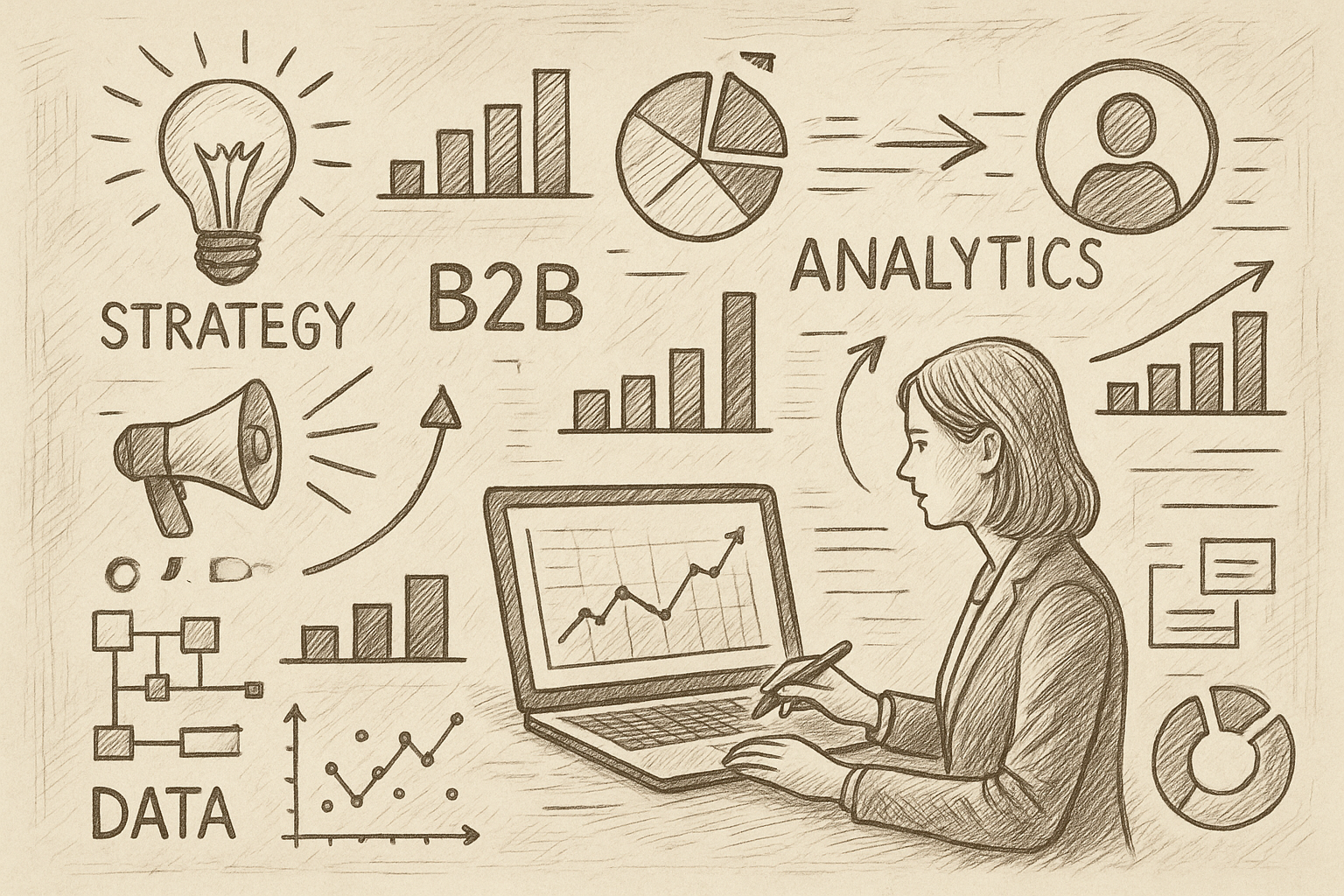
Learn how to leverage analytics in your B2B marketing strategies. This article explores proven techniques for data analysis, customer insights, and ROI enhancement. Gain a competitive edge by making informed, data-driven decisions.
📑 Table of Contents
- Understanding the Role of Analytics in B2BMarketing
- Setting the Foundation: Identifying Key Metrics
- Segmenting Data for Precision
- Leveraging Predictive Analytics for Future-Proof Strategies
- Tools and Technologies to Aid Predictive Analysis
- Integrating Analytics into Content Marketing
- Content Optimization Through A/B Testing
- Enhancing Customer Experience with Journey Analytics
- Mapping Touchpoints
- Optimizing Multi-Channel Marketing Using Analytics
- Coordinating Offline and Online Data
- Measuring ROI and Adjusting Strategies
- Continual Learning and Adaptation
- Actionable Takeaways for B2B Marketers
Understanding the Role of Analytics in B2B Marketing
Analytics play a pivotal role in the development of effective B2B marketing strategies. By leveraging data, businesses can tailor their marketing efforts to better meet the needs of their target audience, optimize their marketing spend, and enhance overall campaign performance. Analytics provide insights into customer behavior, preferences, and engagement, which are essential for making informed decisions that drive business growth.
Setting the Foundation: Identifying Key Metrics
Before diving into analytics-driven strategies, it’s crucial to identify and understand the key metrics that are most relevant to your business objectives. Common metrics include lead generation rates, conversion rates, customer acquisition costs, and customer lifetime value. These metrics not only offer a snapshot of current performance but also act as benchmarks for assessing future campaigns.
Segmenting Data for Precision
Break down data into relevant segments such as industry type, company size, or buyer position in the funnel. This segmentation allows for more tailored and effective marketing strategies. For instance, strategies designed for small enterprises might differ significantly from those aimed at large corporations due to differences in decision-making processes and purchasing power.
Leveraging Predictive Analytics for Future-Proof Strategies
Predictive analytics use historical data to forecast future outcomes. In B2B marketing, this might involve predicting which leads are most likely to convert or identifying which customers are at risk of churning. By incorporating predictive analytics, marketers can proactively adjust their strategies, enhancing both efficiency and effectiveness.
Tools and Technologies to Aid Predictive Analysis
Utilize tools that specialize in data mining, statistical modeling, and machine learning. These tools help sift through massive datasets to identify trends and patterns that human analysts might miss. While the specific tools might evolve, the criteria for selecting them remain constant: reliability, scalability, and ease of integration with existing marketing systems.
Integrating Analytics into Content Marketing
Content marketing is a vital element of B2B strategies. Analytics can significantly enhance content marketing efforts by identifying what topics are most engaging, determining the best channels for distribution, and measuring the impact of different content types.
Content Optimization Through A/B Testing
Implement A/B testing to compare different versions of content to see which performs better. This could be different headlines, images, or even entirely different articles. Data from these tests can then inform future content creation, ensuring that your material resonates with your target audience.
Enhancing Customer Experience with Journey Analytics
Journey analytics provide a comprehensive view of how customers interact with your brand across multiple touchpoints. By understanding the customer journey, B2B marketers can create more personalized experiences that not only improve customer satisfaction but also increase the likelihood of conversion.
Mapping Touchpoints
Identify and evaluate each touchpoint along the customer journey, from initial awareness through to purchase and beyond. This mapping allows marketers to pinpoint areas where customers might disengage and provides opportunities to optimize these touchpoints to better serve potential buyers.
Optimizing Multi-Channel Marketing Using Analytics
In today’s digital age, B2B buyers are likely to interact with your brand across various channels. Analytics help marketers understand which channels perform best, how they interact with each other, and how they influence the buyer’s journey. This understanding allows for the optimization of each channel to ensure a cohesive and effective overall strategy.
Coordinating Offline and Online Data
Integrate offline data (such as events and direct mail) with online data to gain a full picture of marketing effectiveness. This holistic view enables more accurate attribution of sales to marketing activities, helping to allocate budget more effectively and plan future activities with greater confidence.
Measuring ROI and Adjusting Strategies
The ultimate goal of any marketing strategy is to achieve a positive return on investment (ROI). Analytics are critical in measuring ROI by linking marketing activities directly to revenue outcomes. They also allow for continuous improvement of strategies based on what the data shows works best.
Continual Learning and Adaptation
Adopt a culture of testing and learning where every campaign provides insights that refine future strategies. This iterative process is essential in a landscape where buyer behaviors and market conditions are constantly evolving.
Actionable Takeaways for B2B Marketers
To effectively implement a data-driven B2B marketing strategy, start by clearly defining your key performance indicators. Embrace predictive analytics to not just react to market conditions but anticipate them. Use analytics to enhance content relevance and engagement, optimize the customer journey, and ensure effective multi-channel integration. Finally, always measure the ROI of your activities, using insights gained to continuously refine your approach. With these strategies, your marketing efforts can remain dynamic and responsive to an ever-changing business environment.
Frequently Asked Questions
What are the key benefits of using analytics in B2B marketing strategies?
Integrating analytics into B2B marketing strategies offers several benefits, including enhanced decision-making by providing data-driven insights into customer behaviors and market trends. It allows marketers to optimize campaigns and improve ROI by identifying the most effective tactics and channels. Furthermore, analytics enable personalized marketing efforts, which can lead to improved customer engagement and satisfaction.
How can B2B marketers effectively use data to understand their target audience?
B2B marketers can effectively use data by collecting and analyzing information from various touchpoints such as website visits, social media interactions, email responses, and customer feedback. This data can be used to create detailed customer personas and journey maps, helping marketers to understand the needs, preferences, and pain points of their target audience. By leveraging this understanding, marketers can tailor their messaging and offerings to better meet the specific requirements of their customers.
What strategies can be employed to measure the success of data-driven B2B marketing campaigns?
To measure the success of data-driven B2B marketing campaigns, marketers should establish clear, measurable goals and key performance indicators (KPIs) such as lead generation, conversion rates, customer acquisition costs, and customer lifetime value. Utilizing analytics tools, they can track these metrics over time to assess the effectiveness of different campaigns and strategies. Regularly reviewing and analyzing these metrics helps in optimizing marketing efforts and aligning them more closely with business objectives.
Sources and References
- The B2B digital inflection point: How sales have changed during COVID-19 - This McKinsey report provides insights on the evolving landscape of B2B marketing and the increased role of digital strategies and analytics. It supports the article's discussion on the importance of adapting data-driven approaches in B2B marketing.
- What B2B Sales Need from Tech in the New Normal - This Harvard Business Review article discusses the technological needs of B2B sales teams, including analytics tools, which are crucial for developing effective marketing strategies. It aligns with the article's section on tools and technologies for predictive analysis.
- Predictive Analytics in Customer-Oriented Business Operations - This research paper from arXiv provides a deep dive into how predictive analytics can be leveraged in customer-oriented strategies, supporting the article's discussion on using predictive analytics for future-proof B2B marketing strategies.
- The Forrester Wave™: Predictive Analytics Platforms, Q2 2019 - Forrester's report evaluates top predictive analytics platforms, offering a resource for readers interested in tools that aid predictive analysis, as discussed in the article's section on technologies.
- Analytics at Work: Smarter Decisions, Better Results - This study from Wharton, University of Pennsylvania, outlines how businesses can implement analytics to make smarter decisions, directly supporting the article's premise on the role of analytics in B2B marketing.
- Research Insights on B2B Content Marketing - Content Marketing Institute provides data and insights on effective B2B content marketing strategies, reinforcing the article's discussion on segmenting data for precision in targeted marketing efforts.
- How AI is Transforming B2B Marketing - This blog post from Salesforce explores the impact of AI on B2B marketing, supporting the article's focus on AI-driven analytics for enhancing marketing strategies.