Effective Strategies for Account-Based Marketing in B2B Industries
Understanding Account-Based Marketing (ABM) Account-Based Marketing (ABM) is a targeted approach in B2B marketing where sales and marketing teams collaborate...

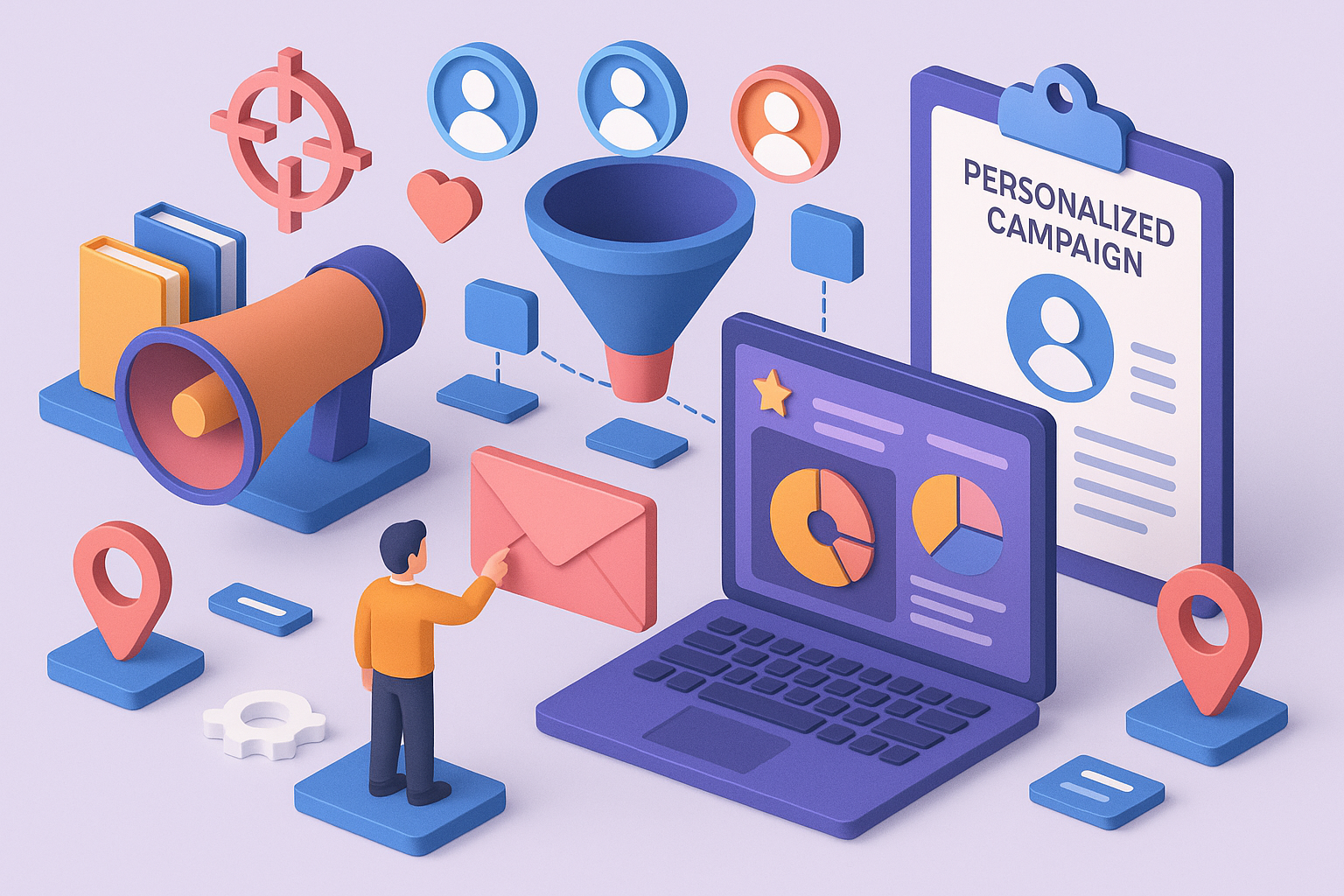
Explore the essentials of account-based marketing (ABM) in B2B environments. Learn to identify target accounts, create personalized campaigns, and measure success effectively. This article provides a step-by-step guide to mastering ABM strategies for optimal business growth.
📑 Table of Contents
- Understanding Account-BasedMarketing(ABM)
- Identifying and Selecting Target Accounts
- Criteria for Account Selection
- Data-Driven Insights
- Developing Personalized Marketing Strategies
- Content Customization
- Channel Strategy
- Aligning Sales and Marketing Efforts
- Collaborative Planning
- Continuous Communication
- Executing ABM Campaigns
- Multi-touch Campaigns
- Technological Integration
- Measuring and Optimizing ABM Performance
- Key Performance Indicators (KPIs)
- A/B Testing and Continuous Improvement
- Overcoming Common ABM Challenges
Understanding Account-Based Marketing (ABM)
Account-Based Marketing (ABM) is a targeted approach in B2B marketing where sales and marketing teams collaborate to create personalized buying experiences for a mutually identified set of high-value accounts. Instead of casting a wide net with marketing efforts, ABM focuses resources on a defined set of target accounts within a market and employs personalized campaigns designed to resonate with each account.
Identifying and Selecting Target Accounts
Criteria for Account Selection
The first step in ABM is to identify and select the accounts that are most likely to convert into high-value customers. This involves analyzing data to understand which clients have the highest potential for revenue, are a good fit for your product or service, and align with your business objectives. Factors to consider include industry, company size, revenue potential, and strategic importance.
Data-Driven Insights
Utilizing data analytics is crucial in selecting target accounts. Leveraging CRM and ERP tools to analyze past interactions and sales patterns helps in identifying accounts with the highest potential for engagement and conversion. Additionally, social listening and competitive analysis provide insights into market trends and customer needs.
Developing Personalized Marketing Strategies
Content Customization
Once target accounts are identified, the next step is to develop personalized marketing strategies. This involves creating content that addresses the specific needs, challenges, and business goals of each account. Personalized content can range from customized emails, bespoke white papers, to tailored webinars.
Channel Strategy
Choosing the right channels to reach your target accounts is also crucial. Whether it’s through direct email, social media, or personalized landing pages, the channels should align with the preferences and behaviors of the decision-makers within the targeted accounts.
Aligning Sales and Marketing Efforts
Collaborative Planning
Alignment between sales and marketing teams is vital for the success of ABM. Both departments must work together to define account-specific goals, develop personalized messaging, and coordinate engagement strategies. This alignment ensures a seamless experience for the customer and maximizes the impact of your ABM efforts.
Continuous Communication
Regular meetings and communication channels should be established to ensure ongoing alignment. CRM systems can be utilized to share real-time updates and insights between sales and marketing, ensuring both teams are informed and can react promptly to any changes in account status or market conditions.
Executing ABM Campaigns
Multi-touch Campaigns
ABM campaigns should involve multiple touchpoints. Using a mix of personalized emails, targeted social media ads, direct mail, and even face-to-face meetings can help in building relationships and staying top of mind with key decision-makers.
Technological Integration
Leveraging technology like marketing automation and AI-driven analytics can significantly enhance the efficiency and effectiveness of ABM campaigns. These tools can help in segmenting audiences, triggering personalized communications based on certain behaviors, and measuring the effectiveness of different strategies.
Measuring and Optimizing ABM Performance
Key Performance Indicators (KPIs)
To measure the success of ABM campaigns, it’s essential to define clear KPIs. These might include metrics such as engagement rate, pipeline growth, conversion rates, and ultimately revenue generated from targeted accounts. These metrics should be monitored regularly to gauge the effectiveness of the ABM strategy.
A/B Testing and Continuous Improvement
Continuous optimization is key in ABM. Conducting A/B tests on different aspects of your campaigns can provide valuable insights into what resonates best with your target accounts. Regularly refining your strategies based on these insights will help in maintaining the relevance and effectiveness of your campaigns.
Overcoming Common ABM Challenges
ABM is not without its challenges. Issues such as data silos between sales and marketing, difficulty in content personalization, and aligning multi-channel strategies can impede ABM success. To overcome these, ensure that there is a robust framework for interdepartmental cooperation, invest in training for content development, and adopt integrated marketing tools that provide a unified view of customer interactions. Implementing effective ABM requires a strategic approach focused on targeted accounts with personalized engagement strategies. By aligning sales and marketing efforts, leveraging technology, and continuously measuring and optimizing performance, businesses can effectively engage high-value accounts and maximize their marketing ROI.
Frequently Asked Questions
What is Account-Based Marketing (ABM) in B2B contexts?
Account-Based Marketing (ABM) is a strategic approach in B2B marketing where marketing and sales teams collaborate to create personalized buying experiences for a set of clearly defined accounts. These accounts are typically high-value and are targeted with customized campaigns designed to resonate specifically with each account. The core idea is to treat individual accounts as markets in their own right, tailoring strategies and messages to meet the specific needs and characteristics of each account.
How do you identify and select target accounts for ABM?
Identifying and selecting target accounts for ABM involves a thorough analysis of potential accounts to determine their fit and value to your business. This process typically includes looking at factors such as industry, company size, revenue potential, strategic importance, and the likelihood of long-term partnership. Tools such as CRM systems, data analytics platforms, and account intelligence software can aid in gathering and analyzing data to create a list of top accounts that align with your strategic goals.
What are the key elements of a successful ABM campaign?
Successful ABM campaigns are built on a foundation of personalized communication, deep understanding of the target account’s business needs, and alignment between marketing and sales teams. Key elements include: 1. Personalized messaging that addresses specific business challenges and opportunities of the target account. 2. Multi-channel engagement strategies that use a mix of digital and offline channels to reach decision-makers within the account. 3. Continuous measurement and optimization of campaign performance based on feedback and analytics to refine strategies and improve outcomes. 4. Strong collaboration between sales and marketing to ensure a unified approach and seamless customer experience.
How do you measure the success of an ABM strategy?
Measuring the success of an ABM strategy involves tracking specific metrics that correlate with your business goals. Common metrics include account engagement, pipeline growth, deal closure rates, and revenue impact. Additionally, qualitative measurements such as account satisfaction and relationship strength are also important. Tools that provide analytics and reporting can help monitor these metrics, allowing for adjustments to the strategy as needed to optimize performance.
Sources and References
- The Forrester Wave: Account-Based Marketing Platforms Q2 2020 - This report by Forrester provides a comprehensive analysis of the top account-based marketing platforms, which helps in understanding the technological landscape of ABM tools. It supports the section on developing personalized marketing strategies by highlighting features that enable customization and personalization in ABM campaigns.
- The B2B Elements of Value - This Harvard Business Review article discusses the core values that B2B customers look for in their interactions with vendors. It supports the article's section on identifying and selecting target accounts by providing insights into what criteria are most valuable for account selection in a B2B context.
- Leveraging AI in Account-Based Marketing - This academic paper from arXiv offers detailed insights into how artificial intelligence can be utilized to enhance ABM strategies, particularly in identifying and analyzing target accounts. It directly supports the discussion on using data-driven insights for selecting and prioritizing accounts.
- Account-Based Marketing for B2B: McKinsey & Company Insights - McKinsey's insights on ABM provide strategic guidance on implementing effective account-based marketing strategies in B2B companies. This source is particularly relevant for the sections covering the overall understanding of ABM and developing personalized marketing strategies.
- How to Personalize Content for Account-Based Marketing - This article from the Content Marketing Institute offers practical advice on crafting personalized content for ABM campaigns. It supports the article's section on developing personalized marketing strategies by providing examples and techniques for tailoring content to meet the specific needs of targeted accounts.
- Creating an Account-Based Marketing Strategy - Salesforce - Salesforce provides a step-by-step guide on creating an ABM strategy, which is crucial for understanding the foundational aspects of ABM discussed in the article. This source is particularly useful for the sections on identifying and selecting target accounts and developing personalized marketing strategies.