Effective Lead Nurturing Strategies for B2B Marketing Success
Lead nurturing is the process of developing relationships with buyers at every stage of the sales funnel and through every step of the buyer's journey. It...

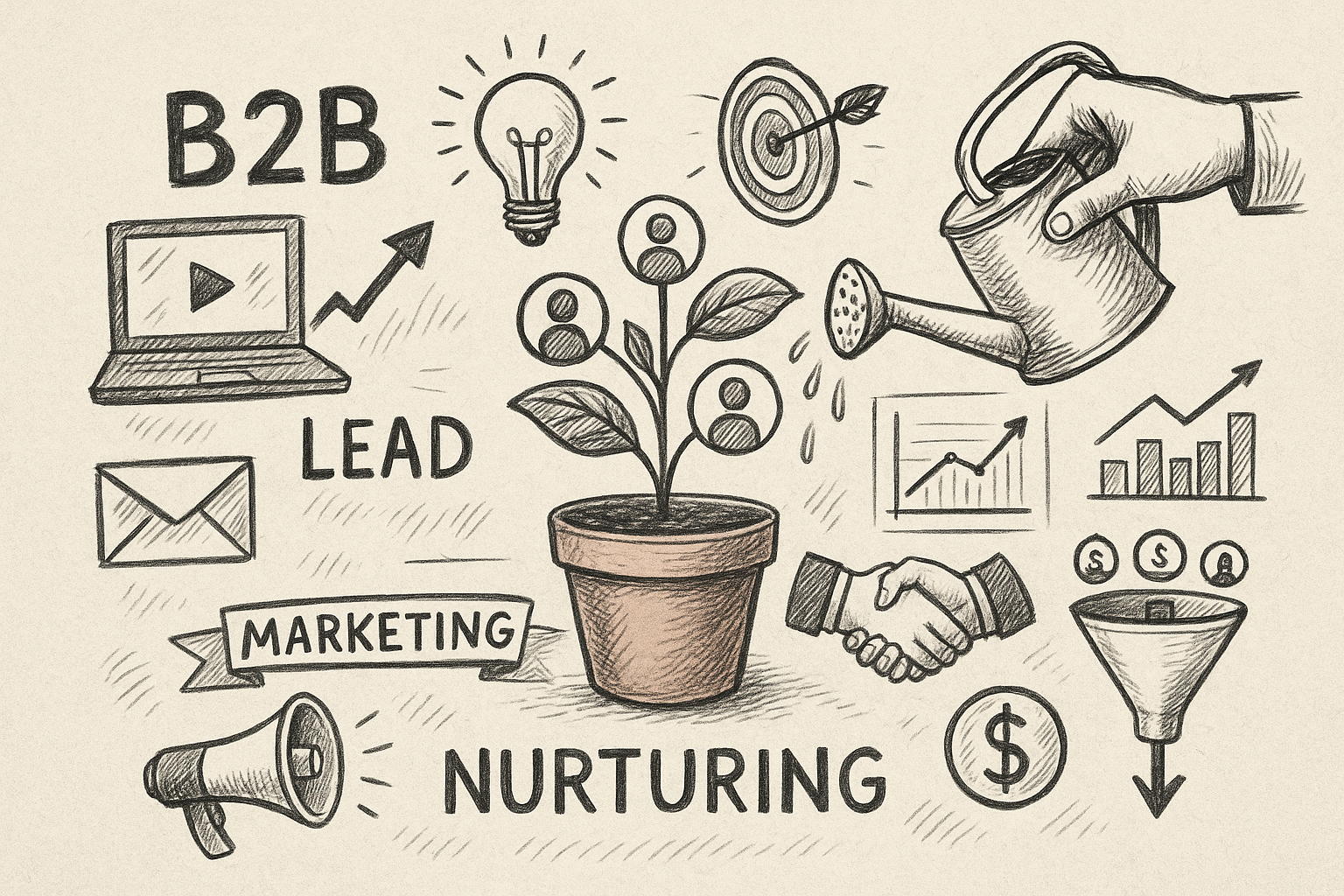
Discover how to boost your B2B marketing through effective lead nurturing strategies. This article explores key techniques like personalized content, multi-channel engagement, and timely follow-ups to convert prospects into loyal customers.
📑 Table of Contents
- Understanding Lead Nurturing in B2BMarketing
- Identifying Your Target Audience
- Segmentation Strategies
- Creating Valuable Content
- Aligning Content with the Buyer’s Journey
- Leveraging Multi-Channel Marketing
- Using MarketingAutomationTools
- Personalizing Interactions
- Responsive Engagement Strategies
- Measuring and Analyzing Results
- Adjusting Strategies Based on Analytics
- Integrating Sales and Marketing Efforts
- Feedback Loops
- Practical Takeaway: Building a Sustainable Lead Nurturing Framework
Understanding Lead Nurturing in B2B Marketing
Lead nurturing is the process of developing relationships with buyers at every stage of the sales funnel and through every step of the buyer's journey. It focuses on marketing and communication efforts on listening to the needs of prospects, and providing the information and answers they need. In the B2B context, where sales cycles are often longer and purchasing decisions involve multiple stakeholders, an effective lead nurturing strategy becomes crucial for success.
Identifying Your Target Audience
Before you can effectively nurture leads, you must first understand who your ideal customer is. This involves creating detailed buyer personas—semi-fictional representations of your ideal customers based on market research and real data about your existing customers. Consider factors such as industry, company size, role in the company, and the challenges they face. Detailed personas help tailor your marketing content to speak directly to the interests and needs of your audience.
Segmentation Strategies
Segmenting your audience based on specific criteria such as engagement level, pain points, or stage in the buying cycle allows for more personalized and effective communication. Use data analytics tools to segment your leads and tailor your nurturing campaigns to address the distinct needs of each group.
Creating Valuable Content
Content is the backbone of lead nurturing. Your content should educate, inform, and engage your audience, guiding them through the buying journey. Develop a content strategy that includes a variety of formats such as blogs, whitepapers, ebooks, infographics, and videos that address common questions, concerns, and interests of your target audience.
Aligning Content with the Buyer’s Journey
Each piece of content should be designed to meet the needs of leads at different stages of their journey. For instance, early-stage leads might benefit from informational blog posts and ebooks, while those closer to a purchasing decision may find detailed case studies and product comparisons more useful.
Leveraging Multi-Channel Marketing
Lead nurturing is most effective when it spans multiple channels, offering consistent, yet tailored, interactions. Email remains a powerful tool for direct communication, but integrating other channels like social media, personalized landing pages, retargeting ads, and even direct mail can enhance the effectiveness of your nurturing efforts.
Using Marketing Automation Tools
Marketing automation platforms can help streamline lead nurturing processes, automate tasks like email sequences, and personalize interactions based on user behavior. These tools also provide valuable insights into the effectiveness of different campaigns and content, helping you refine your strategy over time.
Personalizing Interactions
Personalization is key in making leads feel valued and understood. This extends beyond using a lead’s name in an email. It includes tailoring communication based on user behavior, engagement history, and specific needs. Advanced CRM systems track lead interactions across touchpoints, providing a holistic view that enables highly personalized marketing tactics.
Responsive Engagement Strategies
Be responsive to lead interactions. If a lead downloads a whitepaper, follow up with a targeted email offering a webinar that delves deeper into the topic. Responsive engagement shows that your business is attentive and committed to providing value at each step of the customer’s journey.
Measuring and Analyzing Results
To continually improve your lead nurturing strategy, it’s essential to measure its effectiveness regularly. Key performance indicators (KPIs) like click-through rates, conversion rates, and ROI provide insight into how well your nurturing efforts are performing.
Adjusting Strategies Based on Analytics
Use analytics to refine your lead nurturing processes. If data shows that certain emails have low open rates, revise the subject lines or send times. If certain content pieces do not engage, reconsider the topics or formats. Regular analysis helps adapt your strategies to better meet the needs of your audience and improve conversion rates.
Integrating Sales and Marketing Efforts
For lead nurturing to be truly effective, sales and marketing teams must work closely together. Marketing should pass along detailed lead information to sales, including digital body language like pages visited and content downloaded. This equips salespeople with the context they need for more effective outreach and helps create a seamless transition for the customer from marketing to sales.
Feedback Loops
Establishing feedback loops between sales and marketing can help refine both lead nurturing and lead scoring strategies. Feedback regarding the lead quality and closed deals can help marketing better tailor its efforts and further align with sales objectives.
Practical Takeaway: Building a Sustainable Lead Nurturing Framework
Effective lead nurturing in B2B marketing requires a well-structured strategy that focuses on understanding the audience, delivering valuable content, and leveraging technology for personalization. By continuously measuring and refining your approach based on data-driven insights and aligning closely with your sales team, you can build lasting relationships that convert leads into loyal customers. Remember, the goal of lead nurturing is not just to sell but to build trust and credibility, positioning your brand as the preferred solution provider in your industry.
Frequently Asked Questions
What is lead nurturing in B2B marketing?
Lead nurturing in B2B marketing refers to the process of developing relationships with buyers at every stage of the sales funnel. It focuses on listening to the needs of prospects, and providing the information and answers they need. Effective lead nurturing helps businesses to build trust and credibility with potential clients, thereby enhancing the likelihood of making a sale when the buyer is ready.
How can content marketing enhance lead nurturing efforts?
Content marketing can significantly enhance lead nurturing efforts by offering valuable and relevant content that addresses the specific needs and pain points of the target audience. By consistently delivering useful content, businesses can stay top-of-mind, educate their prospects, and build a relationship of trust. This approach not only helps in moving the leads through the sales funnel but also positions the company as a thought leader in its industry.
What role does automation play in lead nurturing?
Automation plays a crucial role in lead nurturing by streamlining and scaling the process of engaging with potential customers. With automation tools, businesses can deliver timely and personalized communications to large numbers of leads without compromising the personal touch. Automation helps in segmenting the audience, scheduling and sending emails, tracking interactions, and ultimately, enabling more effective and efficient follow-ups.
How do you measure the success of a lead nurturing program?
Measuring the success of a lead nurturing program involves tracking various metrics that indicate engagement and progression through the sales funnel. Key performance indicators (KPIs) might include email open and click-through rates, conversion rates from one stage of the funnel to the next, and ultimately, the conversion of leads into paying customers. Regularly analyzing these metrics allows businesses to refine their strategies and improve the effectiveness of their lead nurturing efforts.
Sources and References
- What B2B Sales Teams Need to Know About Lead Nurturing - Harvard Business Review - This source provides a deep dive into the importance of lead nurturing in B2B environments, emphasizing strategies that align with the buyer’s journey and the role of personalized content in converting leads into sales, which supports the sections on aligning content and creating valuable content.
- The B2B Revenue Marketing Playbook - Forrester - This report outlines effective segmentation strategies and how they can dramatically improve lead nurturing efforts by identifying and targeting the right audience, directly supporting the article's section on segmentation strategies.
- How to Develop a Content Strategy for Lead Nurturing - Content Marketing Institute - This article offers insights into developing content strategies specifically for lead nurturing in B2B marketing, providing practical examples that enhance the article's discussion on creating valuable content.
- State of Marketing Report - Salesforce - Salesforce's comprehensive report includes data and trends on how B2B marketers are implementing lead nurturing programs, with specific emphasis on the use of AI and automation tools, supporting the article's discussion on modern marketing technologies.
- Artificial Intelligence and Its Role in Near Future - arXiv - This research paper discusses the broader implications of AI in business processes, including marketing automation and personalized customer interactions, which ties into the article’s exploration of AI in lead nurturing strategies.
- Insights on Marketing and Sales - McKinsey & Company - McKinsey's insights provide a wealth of knowledge on how effective lead nurturing can drive sales and enhance customer relationships in B2B marketing, supporting general claims made in the article about the efficacy of strategic lead nurturing.