Designing Effective B2B Marketing Campaigns for Mobile Engagement
The mobile user experience is distinctively different from the desktop experience in terms of screen size, user environment, and user intentions. To...

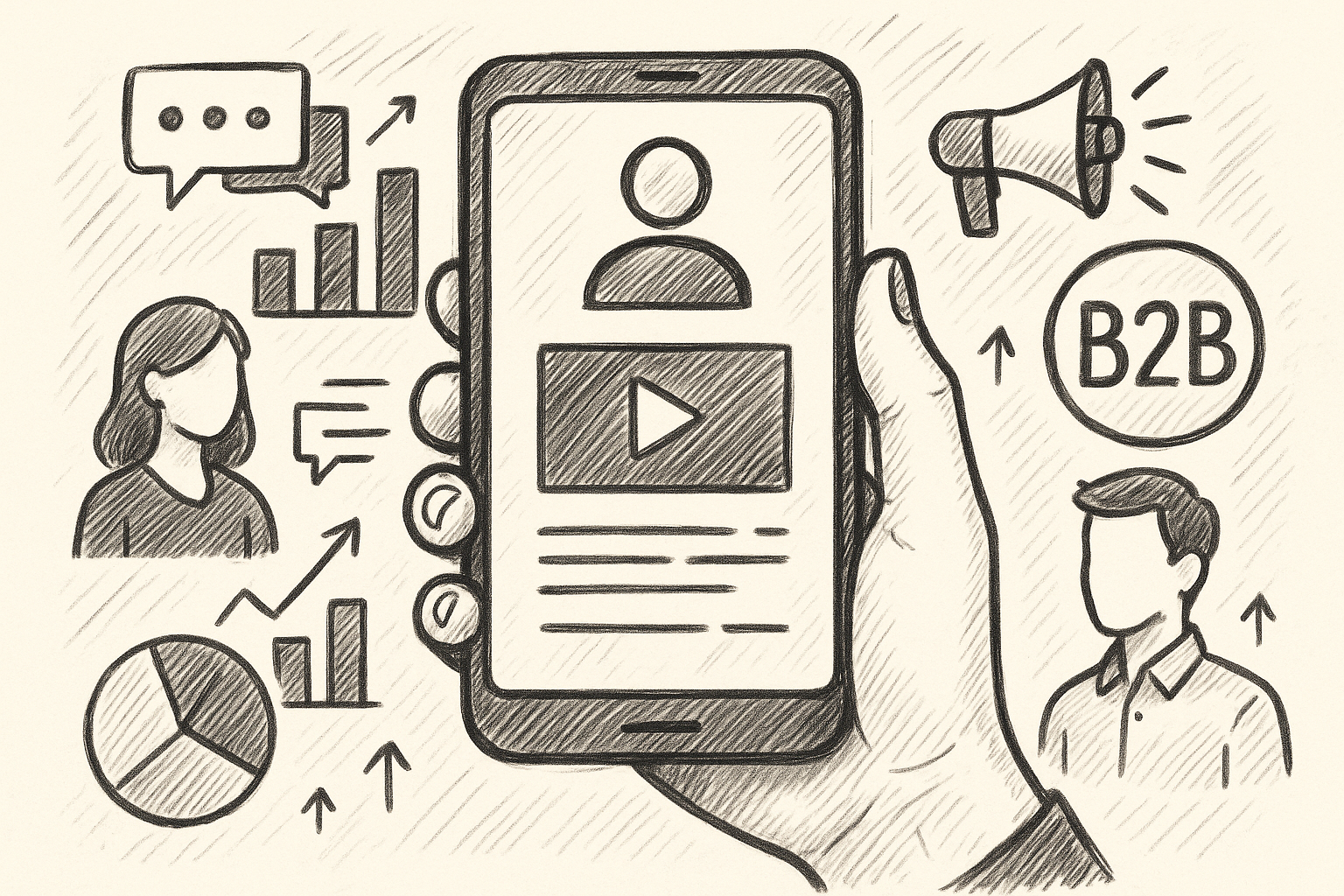
Discover strategies to craft effective B2B marketing campaigns for mobile users. Learn about optimizing content for small screens, leveraging mobile-specific features, and tailoring messages for on-the-go professionals. Dive into actionable insights to enhance engagement and conversion.
📑 Table of Contents
- Understanding the Mobile User Experience in B2BMarketing
- Key Considerations for Mobile UX:
- Segmenting Your Mobile Audience
- Effective Segmentation Strategies:
- Optimizing Content for Mobile Consumption
- Tips for Mobile Content Optimization:
- Integrating Social Media into Mobile B2B Campaigns
- Strategies for Social Media Integration:
- Leveraging Technology for Enhanced Mobile Interactions
- Implementing Mobile Technologies:
- Measuring and Optimizing Mobile Campaign Performance
- Key Metrics to Monitor:
Understanding the Mobile User Experience in B2B Marketing
The mobile user experience is distinctively different from the desktop experience in terms of screen size, user environment, and user intentions. To effectively design B2B marketing campaigns for mobile users, it's essential to understand these differences deeply. Mobile users typically seek quick, accessible information and appreciate straightforward navigation and fast load times. Therefore, optimizing your website's mobile responsiveness and ensuring your content is easily digestible on smaller screens are critical steps.
Key Considerations for Mobile UX:
- Responsiveness: Ensure your website adapts seamlessly to different screen sizes and orientations.
- Speed: Optimize website speed to reduce bounce rates; mobile users often have less patience for slow-loading pages.
- Navigation: Simplify navigation to improve the ease of use on mobile devices.
Segmenting Your Mobile Audience
Mobile users are not a monolith; they vary widely in behaviors and preferences. Segmenting your mobile audience allows you to tailor your campaigns more effectively, enhancing engagement and conversion rates. Consider factors like industry, job role, and mobile usage patterns. Tools like analytics platforms can help identify these segments by providing insights into user behavior and mobile engagement metrics.
Effective Segmentation Strategies:
- Behavioral Insights: Use data analytics to understand how different segments interact with your mobile content.
- Personalization: Tailor content and messaging to resonate with the specific needs and interests of each segment.
Optimizing Content for Mobile Consumption
Content on mobile needs to be concise yet impactful. Due to the smaller screen sizes, your content's initial visibility is limited. Utilize formats that are inherently mobile-friendly, such as short videos, infographics, and bulleted lists. Additionally, ensure that your calls to action (CTAs) are clear and easy to interact with on a touchscreen. Learn more at huggingface.co AI research
Tips for Mobile Content Optimization:
- Clarity and Brevity: Keep your content clear and to the point to combat the limited attention span of mobile users.
- Interactive Elements: Use interactive elements like clickable buttons or sliders to enhance engagement.
Integrating Social Media into Mobile B2B Campaigns
Social media platforms are predominantly accessed via mobile devices. Integrating social media into your B2B marketing campaigns can significantly increase your reach and engagement. Focus on platforms where your target audience is most active and tailor your content to the informal, fast-paced nature of social media.
Strategies for Social Media Integration:
- Platform-Specific Content: Create content that leverages the unique features of each platform, such as stories on Instagram or articles on LinkedIn.
- Engagement Tactics: Encourage interaction by prompting users to comment, share, or participate in polls.
Leveraging Technology for Enhanced Mobile Interactions
Advancements in mobile technology continuously open new avenues for engaging B2B customers. Technologies like augmented reality (AR) can be particularly effective in mobile marketing, providing immersive experiences that are both informative and memorable. Additionally, mobile apps can offer more personalized and convenient interactions, encouraging deeper engagement.
Implementing Mobile Technologies:
- Augmented Reality: Use AR to showcase products or provide virtual tours.
- Mobile Apps: Develop a mobile app to offer functionalities that are not as effective on a mobile web browser.
Measuring and Optimizing Mobile Campaign Performance
Effectively measuring the performance of your mobile B2B marketing campaigns is crucial for ongoing optimization. Focus on metrics that directly reflect mobile user engagement and conversion rates, such as mobile traffic, bounce rate, and mobile conversion rates. Tools like Google Analytics offer comprehensive functionalities to track and analyze these metrics.
Key Metrics to Monitor:
- Mobile Traffic: Monitor the amount of traffic that comes from mobile devices.
- Conversion Rates: Track how many of these visitors are completing desired actions.
- User Feedback: Collect user feedback specifically for mobile users to understand their needs and pain points.
By focusing on these areas, you can create more effective and engaging B2B marketing campaigns targeted at mobile users. Remember, the key to success in mobile marketing is understanding the audience, leveraging technology, and continuously optimizing based on performance data.
Frequently Asked Questions
What are the key steps to get started?
Begin by understanding your current situation and goals. Then follow the step-by-step process outlined in this guide, starting with the foundational elements before moving to advanced techniques.
How long does it take to see results?
Results vary based on implementation quality and consistency. Most professionals see initial improvements within weeks, with significant impact after consistent application over several months.
What are common mistakes to avoid?
The most common mistakes include skipping the planning phase, trying to implement everything at once, and not measuring results. Focus on gradual implementation and continuous improvement.
Sources and References
- The Mobile Mind Shift in B2B Marketing - This Forrester report explores how B2B marketers must adapt to the increasing use of mobile devices among business users. It provides insights into the mobile user experience and emphasizes the importance of understanding how B2B buyers interact with content on mobile devices.
- Designing B2B Apps for the Mobile-First Consumer - An article from Harvard Business Review that discusses key considerations for mobile UX in B2B applications. It supports the article's discussion on the necessity of optimizing user interfaces and content for mobile consumption to enhance engagement and conversion rates.
- How B2B Digital Leaders Drive Five Times More Revenue Growth Than Their Peers - McKinsey analysis detailing the performance impact of effective digital strategies in B2B marketing, including mobile optimization. This source validates the importance of segmenting mobile audiences and personalizing marketing strategies to increase effectiveness.
- Mobile User Experience in B2B Platforms: Challenges and Opportunities - A research paper from Google Research that provides an in-depth look at the unique challenges and opportunities in designing B2B marketing strategies for mobile users. It offers empirical data and case studies that underline the importance of effective segmentation and optimized mobile content.
- Content Strategy for Mobile Users - A comprehensive guide from the Content Marketing Institute that discusses strategies for creating mobile-optimized content that resonates with B2B audiences. This supports the article's section on optimizing content for mobile consumption and provides practical tips on how to execute these strategies effectively.
- Responsive Web Design Basics - Google's official documentation on responsive web design, which is crucial for optimizing B2B marketing campaigns for mobile users. This resource is instrumental in understanding technical aspects of mobile UX design covered in the article.