Craft Human-Like Landing Page Copy Using AI Tools
Understanding the Role of AI in Crafting Landing Page Copy To begin, it's essential to understand what AI can and cannot do when it comes to writing landing...

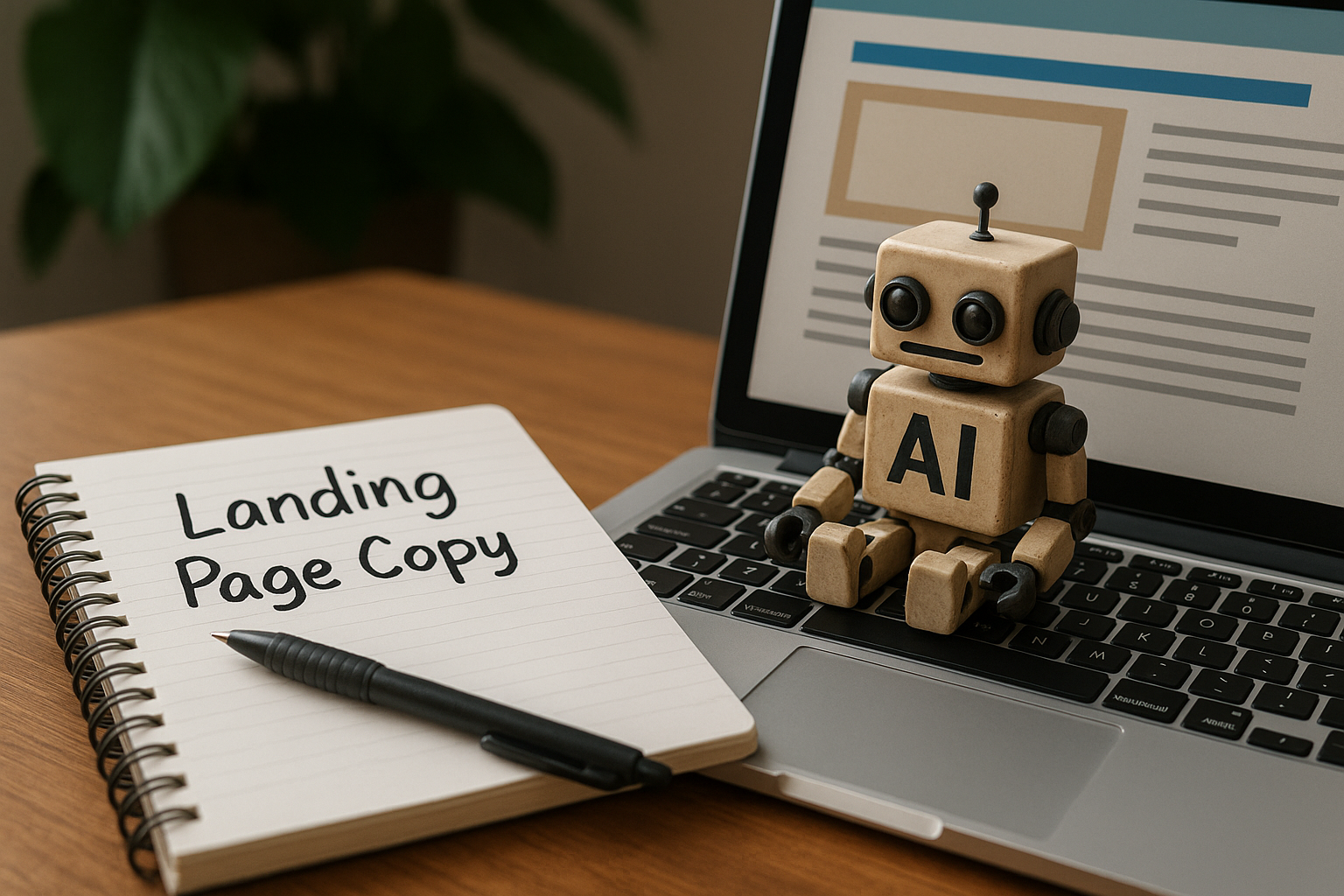
Discover how to blend AI tools with a human touch to craft engaging landing page copy. Learn key strategies for maintaining authenticity, enhancing readability, and optimizing conversions, ensuring your message resonates with every visitor.
📑 Table of Contents
- Understanding the Role ofAIin Crafting Landing Page Copy
- Setting Up Your AI Writing Tool
- Defining Your Audience and Objectives
- Generating the First Draft with AI
- Reviewing and Humanizing AI-Generated Content
- Optimizing Copy for Conversion
- Keeping the Content Fresh and Updated
- Measuring Success and Iterating
- Addressing Common Challenges
- Over-Reliance on AI
- Maintaining Brand Consistency
- Privacy and Ethical Considerations
Understanding the Role of AI in Crafting Landing Page Copy
To begin, it's essential to understand what AI can and cannot do when it comes to writing landing page copy. AI tools are designed to generate text based on patterns and data they have learned from a vast corpus of existing text. This capability can be a powerful aid in generating creative ideas, overcoming writer’s block, and speeding up the writing process. However, AI lacks the human ability to connect on an emotional level, which is crucial for the persuasive nature of landing page copy. The goal is to use AI as a tool while ensuring the final output resonates with human empathy and personal touch.
Setting Up Your AI Writing Tool
Choose an AI writing tool that aligns with your needs. Look for features like tone customization, style settings, and industry-specific language options. It’s important that the AI tool can integrate seamlessly with your other content management systems. Once selected, familiarize yourself with the tool’s capabilities and limitations. Practice with different settings to see how it alters the output, helping you better understand how to fine-tune the AI-generated content to suit your specific needs.
Defining Your Audience and Objectives
Before you start writing, clearly define who your target audience is and what action you want them to take. This understanding should guide every piece of content you create. For instance, if your landing page is for a new tech gadget, your audience might be tech enthusiasts looking for the latest innovations. Your objective could be to drive pre-orders. AI can help tailor the language to match the interests and behaviors of this specific group, but it's your job to provide the AI with the right context and direction.
Generating the First Draft with AI
With your audience and objectives in mind, start crafting your first draft using your AI tool. Input detailed prompts that align with your goals. For example, you might input, "Write a persuasive introduction for a landing page targeted at young tech enthusiasts interested in high-tech wearables." The AI will generate content based on this prompt, but this is just the starting point.
Reviewing and Humanizing AI-Generated Content
Once the AI provides you with a draft, it’s critical to review the content not just for basic errors, but for tone and human touch. Personalize the AI-generated copy by adding anecdotes, emotion-driven language, and specifics that AI cannot know. This step is crucial in transforming the generic into something that feels personally crafted and engaging.
Optimizing Copy for Conversion
The next step is to refine the copy to optimize for user conversion. This involves several layers of editing: 1. Clarity and Conciseness: Ensure that the message is clear and direct, cutting out any fluff that the AI might have included. 2. Persuasiveness: Enhance the persuasive elements of the copy by emphasizing benefits and using powerful calls to action (CTAs). 3. SEO and Keywords: Integrate relevant keywords naturally into the copy to boost search engine visibility, which is something AI can assist with effectively. Use A/B testing to test different versions of your AI-enhanced copy to see which performs better. This data-driven approach can reveal what resonates best with your audience.
Keeping the Content Fresh and Updated
Landing page copy should not be static. Markets evolve, new competitors emerge, and customer preferences change. Regularly revisit and revise the landing page copy to keep it relevant and effective. AI can assist in this process by quickly generating new content ideas at scale, but it’s the human marketer’s job to ensure these updates meet the strategic objectives and maintain the brand voice.
Measuring Success and Iterating
Finally, continually measure the performance of your landing page. Key metrics to focus on include conversion rates, time on page, bounce rates, and SEO rankings. Use this data to refine your approach. If certain phrases or structures are working well, you might direct your AI tool to produce more content in that style. Conversely, underperforming elements should be reevaluated and adjusted.
Addressing Common Challenges
Over-Reliance on AI
A common pitfall is relying too much on AI, leading to copy that feels robotic or disconnected from the audience. Always infuse AI-generated content with a human touch by integrating your unique brand voice and personal insights.
Maintaining Brand Consistency
Another challenge is maintaining a consistent brand voice when using AI tools that might have their default styles. Align AI output with your brand’s tone by customizing the AI’s settings and manually tweaking the content.
Privacy and Ethical Considerations
When using AI, be mindful of privacy and ethical considerations. Ensure that the data used to train AI models complies with relevant laws and ethical standards, particularly when processing user data to personalize content. By integrating AI into the process thoughtfully, you can leverage its power to enhance efficiency and creativity while still producing landing page copy that truly connects with and converts your audience.
Frequently Asked Questions
What are the essential elements of effective landing page copy?
Effective landing page copy should include a compelling headline, a clear and concise value proposition, persuasive subheadings, engaging and relevant content that addresses the needs and pain points of the target audience, a strong call-to-action (CTA), and social proof such as testimonials or client logos. Each element should work harmoniously to convince visitors to take a desired action, such as signing up for a newsletter or making a purchase.
How can AI tools help in writing human-sounding landing page copy?
AI tools can assist in generating ideas, structuring content, and even writing initial drafts based on the input and guidelines provided. They can analyze vast amounts of data to identify trends, suggest content improvements, and optimize for search engines. However, to ensure the copy sounds human, it's crucial to infuse personal touches, review and tweak AI-generated content, and ensure it aligns with the brand's voice and tone.
What strategies can be employed to maintain a brand's voice when using AI for content creation?
To maintain a brand's voice while using AI, start by thoroughly training the AI tool with examples of the brand’s existing content to learn the specific style and tone. Regularly review and edit the AI-generated content to ensure consistency. It's also beneficial to keep a checklist of brand-specific phrases, tone guidelines, and stylistic preferences that can be referred to when adjusting AI outputs.
How can I optimize my landing page copy for search engines while ensuring it appeals to humans?
To optimize landing page copy for search engines and maintain appeal to human readers, incorporate relevant keywords naturally into the text, focus on creating useful and informative content that addresses visitors' needs, and ensure readability by using short paragraphs, bullet points, and subheadings. Balancing SEO practices with a conversational tone will help attract both search engines and human readers.
Sources and References
- Understanding Natural Language Generation in AI - This research paper from Google provides foundational knowledge on how AI can generate human-like text, supporting the section on "Understanding the Role of AI in Crafting Landing Page Copy". It offers insights into the mechanisms AI uses to mimic human writing styles, which is crucial for creating engaging landing page content.
- The State of Marketing Report - HubSpot's comprehensive annual report includes data on the effectiveness of AI tools in marketing, particularly in content creation. This supports the "Setting Up Your AI Writing Tool" section by highlighting the best practices and tools currently leading the market.
- Audience Understanding in AI-Driven Content Creation - This paper from arXiv provides an in-depth look at how AI technologies can be leveraged to analyze and understand target audiences, directly supporting the "Defining Your Audience and Objectives" section of the article.
- How AI is Revolutionizing Content Creation - An article by Content Marketing Institute that discusses the use of AI in generating draft copies and how it transforms the content creation landscape. This source is particularly relevant to the "Generating the First Draft with AI" section, offering practical examples and success stories.
- Refining AI-Generated Text to Human-like Quality - Google Developers provide a guide on refining AI-generated text, which is pertinent to the "Reviewing and Humanizing AI-Generated Content" section. It includes techniques to ensure the AI-generated content resonates well with human readers, maintaining a natural and engaging tone.
- The Future of SEO and Content AI Tools - This Forrester report explores how AI tools are used in SEO and content marketing, supporting discussions on how AI can optimize landing page copy to meet SEO standards while still sounding human.