Craft an Effective B2B Marketing Calendar for Consistent Engagement
Understanding the Role of a B2B Marketing Calendar A B2B marketing calendar serves as a strategic framework for planning and executing marketing activities...

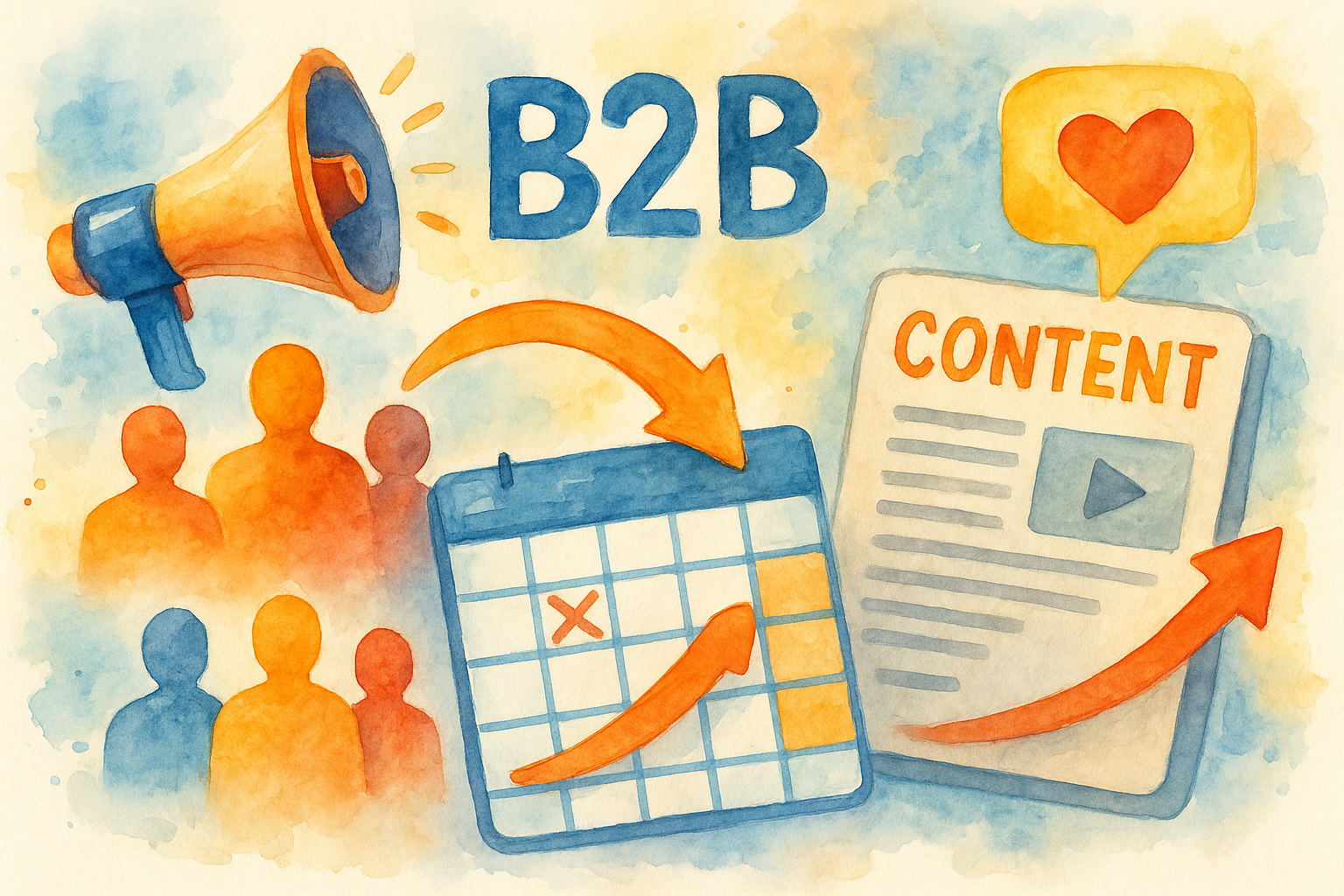
Learn to craft a B2B marketing calendar that boosts engagement through strategic planning and consistent messaging. This guide covers essential steps, tools, and tips for seamless execution and measurable results.
📑 Table of Contents
- Understanding the Role of a B2BMarketingCalendar
- The Foundations of Building a B2B Marketing Calendar
- Identify Key Business Events and Milestones
- Analyze Past Marketing Performances
- Segmenting Your Audience for Tailored Messaging
- Strategic Timing and Scheduling
- Balance Frequency and Impact
- UtilizeAutomationTools
- Integrating Content Marketing and Thought Leadership
- Measuring Success and Making Adjustments
- Define Metrics for Evaluation
- Regular Review and Adaptation
- Practical Takeaways for Creating Your B2B Marketing Calendar
Understanding the Role of a B2B Marketing Calendar
A B2B marketing calendar serves as a strategic framework for planning and executing marketing activities aimed at engaging a professional audience. It ensures that marketing efforts are aligned with business goals, seasonal trends, and customer needs. This calendar acts as a roadmap that coordinates all marketing communications, campaigns, and content delivery, ensuring that each initiative is launched at the optimal time to maximize impact and engagement.
The Foundations of Building a B2B Marketing Calendar
Identify Key Business Events and Milestones
Start by marking down the fixed points around which your marketing activities will pivot. These include product launches, major industry events, end-of-financial-year periods, and any other critical business milestones. Aligning your marketing activities with these dates ensures that your campaigns are relevant and timely.
Analyze Past Marketing Performances
Reviewing past marketing initiatives helps to identify what has worked and what hasn’t. This analysis should focus on campaign outcomes, audience engagement metrics, and seasonal trends in sales and lead generation. Insights gleaned from this data inform the timing and nature of future marketing activities, allowing for more precise targeting and efficient resource allocation.
Segmenting Your Audience for Tailored Messaging
Effective B2B marketing requires understanding the diverse needs and behaviors of your target audience. Segment your audience based on industry, company size, decision-making role, and engagement history. This segmentation allows for more personalized and relevant content creation, ensuring that each group receives messages that resonate with their specific needs and preferences.
Strategic Timing and Scheduling
Balance Frequency and Impact
Determine the optimal frequency of your marketing activities to maintain engagement without overwhelming your audience. For some businesses, a monthly newsletter and weekly social media posts might suffice, while others might need more frequent communications to keep the audience engaged.
Utilize Automation Tools
Leverage marketing automation tools to schedule and deploy campaigns efficiently. These tools can help manage the timing of emails, social media posts, and other content deliveries, ensuring consistent presence in your audience’s inbox and social feeds without constant manual oversight.
Integrating Content Marketing and Thought Leadership
Content is a cornerstone of B2B marketing, serving both to inform and engage potential customers. Develop a content strategy that includes white papers, case studies, blogs, and webinars. Each piece should aim to establish your brand as a thought leader in your industry. Planning this content in your marketing calendar ensures a consistent flow of valuable information to your audience, enhancing engagement and building trust.
Measuring Success and Making Adjustments
Define Metrics for Evaluation
Determine which metrics will best indicate the success of your marketing efforts. These might include lead generation numbers, website traffic, engagement rates on social media, and email open rates. Set clear benchmarks based on historical data and industry standards.
Regular Review and Adaptation
A marketing calendar is not static. Regular reviews allow for adjustments based on what the data shows about the effectiveness of different strategies and campaigns. This might mean shifting the timing of a campaign, adjusting messaging, or reallocating resources to more successful channels.
Practical Takeaways for Creating Your B2B Marketing Calendar
Developing an effective B2B marketing calendar involves understanding your business cycles, audience, and what messages resonate best with them. Start with a clear mapping of key business events, analyze previous marketing efforts to inform future plans, and segment your audience for tailored messaging. Balance the frequency of your messages, automate scheduling to ensure consistency, and integrate impactful content to establish thought leadership. Finally, establish metrics to measure success and be prepared to adjust your strategy based on performance data. By following these steps, you create a dynamic, effective marketing calendar that drives engagement and supports business growth consistently.
Frequently Asked Questions
What are the key components of an effective B2B marketing calendar?
An effective B2B marketing calendar should include planned content releases, key dates for product launches, scheduled promotions, and industry events. Additionally, it should align with the overall marketing strategy and goals, incorporate audience insights for targeted engagement, and allow flexibility for adjustments based on performance analytics and market trends.
How often should a B2B marketing calendar be reviewed and updated?
A B2B marketing calendar should be reviewed and updated regularly, ideally on a quarterly basis. This allows businesses to adapt to changes in the market, incorporate new insights about their audience, and refine strategies to enhance engagement and ROI. Regular updates ensure that the marketing efforts remain aligned with the business objectives and responsive to the dynamic B2B landscape.
How can a B2B marketing calendar improve audience engagement?
A well-structured B2B marketing calendar ensures consistent communication with the audience, keeping the brand at the forefront of their minds. By strategically scheduling content that addresses audience needs and preferences, businesses can enhance engagement, build trust, and foster long-term relationships. Moreover, a calendar helps in delivering timely and relevant content around key dates and events, maximizing impact and engagement opportunities.This FAQ section is designed to be both informative and evergreen, addressing fundamental aspects of creating and maintaining a B2B marketing calendar without referencing transient specifics like dates or trending tools.
Sources and References
- The Forrester Wave™: B2B Marketing Automation Platforms, Q4 2020 - This report from Forrester provides an in-depth analysis of marketing automation platforms which are crucial for scheduling and executing a B2B marketing calendar. It supports the article's discussion on the need for advanced tools to manage and analyze marketing campaigns effectively.
- The Elements of a Successful B2B Marketing Plan - This Harvard Business Review article explores essential components of a B2B marketing plan, offering insights that align with building a foundational structure for a B2B marketing calendar as discussed in the main article.
- Audience Segmentation in Your Content Strategy - Content Marketing Institute provides a detailed guide on how to segment your audience for more tailored messaging, directly supporting the article's section on audience segmentation and its impact on engagement.
- 2021 Technology, Media, and Telecommunications Predictions - Deloitte's insights into upcoming trends in technology and media help understand the external factors that should be considered when planning a B2B marketing calendar, particularly in identifying key business events and milestones.
- Analysis of Past Marketing Campaign Performances Using Data Science - This research paper on arXiv offers methodologies for analyzing past marketing performances using data science, providing a scientific basis for the article's recommendation to analyze historical data to optimize future marketing efforts.
- McKinsey Insights on Marketing and Sales - McKinsey's repository of insights and articles offers a wealth of knowledge on strategic marketing practices, supporting the article's broader discussions on effective B2B marketing strategies and calendar planning.