Craft a Winning B2B Marketing Strategy for Niche Markets
When crafting a B2B marketing strategy for niche markets, the first step is always to gain a deep understanding of the niche itself. This involves identifying...

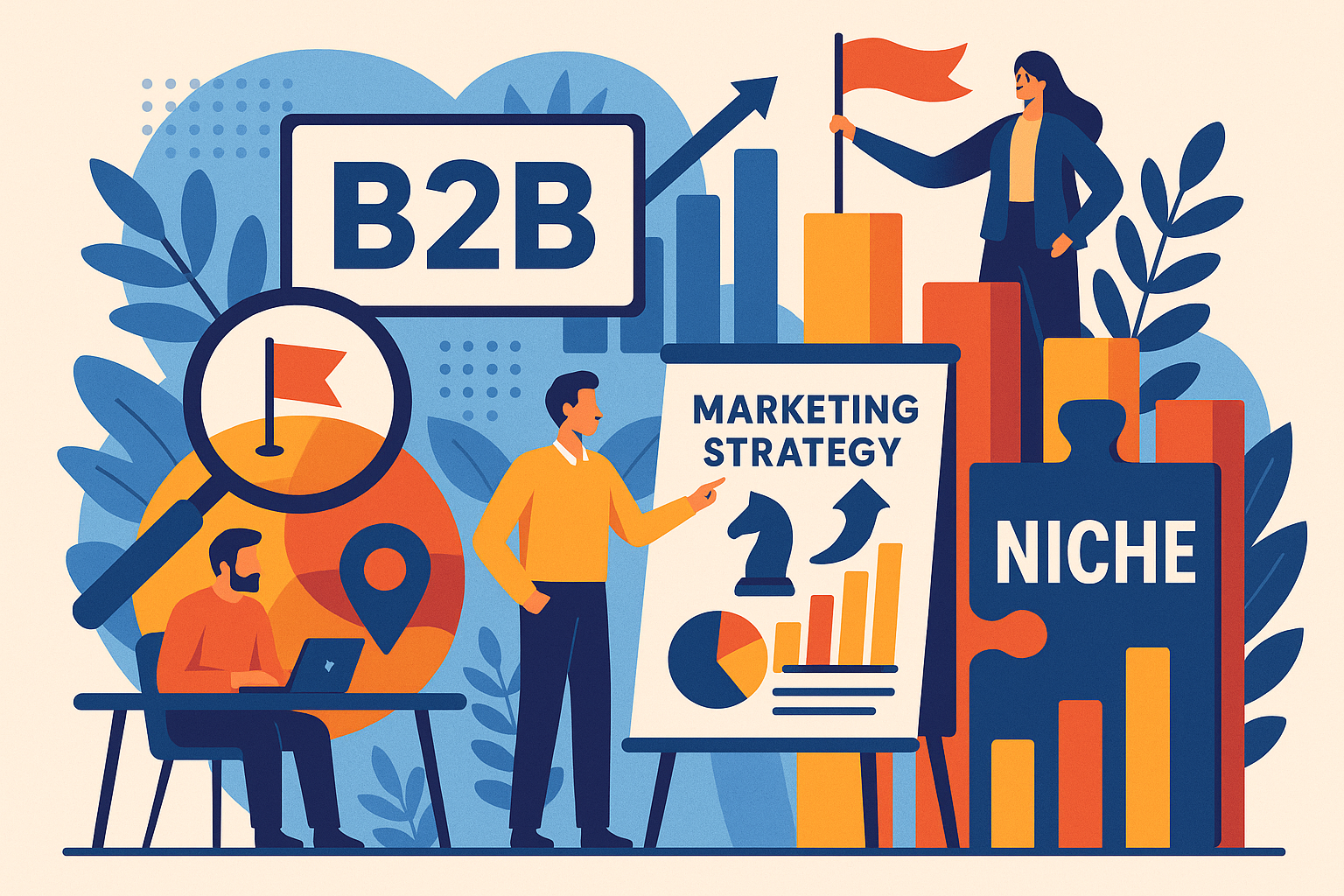
Discover how to craft a potent B2B marketing strategy tailored for niche markets. Learn to identify your audience, differentiate from competitors, and leverage unique channels for impactful engagement and growth.
📑 Table of Contents
- Understanding Your Niche in B2B Markets
- Developing a Value Proposition that Resonates
- Leveraging Digital Marketing Channels
- Personalization and Account-Based Marketing (ABM)
- Strategic Partnerships and Collaborations
- Metrics and Performance Analysis
- Practical Takeaways for Long-Term Success
Understanding Your Niche in B2B Markets
When crafting a B2B marketing strategy for niche markets, the first step is always to gain a deep understanding of the niche itself. This involves identifying the specific needs, challenges, and characteristics of the target audience within that niche. Researching and segmenting the market allows businesses to tailor their approach, ensuring that the marketing messages resonate more effectively with potential clients.
Key methods include conducting surveys, interviews, and focus group discussions with current and potential customers. These approaches help clarify customer needs and expectations, and reveal insights into the factors that drive purchasing decisions in your niche. Additionally, analyzing competitors within the same niche provides valuable information on market trends and successful marketing tactics.
Developing a Value Proposition that Resonates
A compelling value proposition is crucial in a niche market. This statement should clearly articulate how your product or service solves a problem or improves the customer's situation in a way that no other competitor can. In B2B markets, where the buying process is often rational and based on detailed assessments, a strong value proposition can differentiate your brand significantly. Learn more at ibm.com AI research
To craft an effective value proposition, focus on the unique benefits of your products or services, backed by concrete data or case studies. Highlighting specific examples where your business has added value to other clients can enhance credibility and attract more customers from your niche market.
Leveraging Digital Marketing Channels
Even in niche markets, digital marketing remains a powerful tool. The key is to select the right channels that your target audience frequents. This might include specialized online forums, industry-specific social media groups, or well-regarded trade websites.
Content marketing, search engine optimization (SEO), and email marketing are typically effective components of a digital marketing strategy. For example, creating in-depth blog posts that address specific issues within the niche can attract visitors through organic search. Similarly, targeted email campaigns that provide tailored content can help build relationships and nurture leads through the sales funnel.
Personalization and Account-Based Marketing (ABM)
In niche B2B markets, where the customer base might be limited and highly specialized, personalization becomes even more critical. Account-Based Marketing (ABM) is a strategy that concentrates resources on a set of target accounts within a market. It uses personalized campaigns designed to resonate with each account, based on specific attributes and needs.
Implementing ABM requires a detailed understanding of each target account's business and its industry. This strategy not only increases the effectiveness of the marketing efforts but also improves the alignment between marketing and sales teams, leading to better conversion rates and customer retention.
Strategic Partnerships and Collaborations
Forming strategic partnerships with other companies that share the same target market can provide a significant boost to your marketing efforts. These partnerships can enable access to a broader audience, shared resources, and increased credibility through association.
Look for potential partners who complement rather than compete with your offerings. Collaborations can range from co-hosting webinars, joint research projects, to co-developing products. Such initiatives can help penetrate the market more deeply and add more value to your customers.
Metrics and Performance Analysis
Measuring the success of your B2B marketing strategy in niche markets is crucial for sustained growth. Key performance indicators (KPIs) might include lead conversion rates, website traffic from targeted segments, engagement rates on specialized platforms, and overall sales growth within the niche.
Regularly analyzing these metrics helps in understanding what works and what doesn’t, allowing for timely adjustments to the strategy. Advanced tools and software can aid in gathering and analyzing data, providing insights that are critical for decision-making.
Practical Takeaways for Long-Term Success
To ensure the effectiveness of your B2B marketing strategy in niche markets, continually adapt to changes within the niche and update your strategy based on performance metrics and market feedback. Stay focused on delivering value through personalized marketing efforts and maintain the flexibility to innovate your approach as new technologies and platforms emerge.
Additionally, keep nurturing customer relationships even after the sale, as this can lead to repeat business and referrals, which are especially valuable in niche markets. Remember, a successful niche marketing strategy is not just about reaching the market but growing with it.
Frequently Asked Questions
What are the key elements of a successful B2B marketing strategy for niche markets?
A successful B2B marketing strategy for niche markets should focus on deep understanding of the market, including customer pain points, preferences, and behaviors. Key elements include targeted content marketing, personalized communication, strategic use of digital channels, and leveraging data analytics for better decision-making. Building strong relationships through trust and thought leadership is also crucial.
How can I identify and understand my target audience in a niche market?
Identifying and understanding your target audience in a niche market involves conducting thorough market research to gather insights about your potential customers. This can include demographic studies, surveys, interviews, and analyzing customer data. Understanding their specific needs, challenges, and how they make purchasing decisions is crucial. Additionally, monitoring competitors and industry trends can provide valuable context.
What marketing channels are most effective for reaching a niche B2B audience?
The most effective marketing channels for reaching a niche B2B audience often include digital marketing strategies such as LinkedIn for networking, industry-specific forums, and targeted email marketing. Content marketing through blogs, whitepapers, and case studies tailored to the specific interests and needs of the niche can also be highly effective. Additionally, attending and presenting at industry conferences can help in establishing authority and building network contacts.
Sources and References
- What B2B Sales Teams Need to Understand About Selling to Niche Markets - This Harvard Business Review article provides insights into the complexities and strategies involved in targeting niche markets within the B2B sector. It supports the article's discussion on understanding your niche and developing effective value propositions that resonate with specific market segments.
- The B2B Digital Marketing Plan 2023 - Forrester's comprehensive report outlines key strategies in leveraging digital marketing channels for B2B companies. This source is particularly relevant for understanding how digital tools can be optimized for niche marketing strategies, aligning with the article's section on leveraging digital marketing channels.
- How to Develop a Data-Driven Personalization Strategy - This guide from the Content Marketing Institute offers detailed methodologies for implementing personalization in marketing efforts, which is crucial for account-based marketing (ABM) discussed in the article. It provides practical steps and examples that underline the importance of personalized marketing in B2B contexts.
- Account-Based Marketing: Integrating Marketing and Sales Teams through AI and Machine Learning - This research paper from arXiv offers an academic perspective on how AI can facilitate ABM strategies by integrating sales and marketing teams more effectively. It supports the article's discussion on the use of AI in personalization and ABM.
- Building a Winning B2B Sales Strategy in Niche Markets - McKinsey's analysis provides a deep dive into strategic approaches for B2B sales in niche markets, including the role of strategic partnerships and collaborations. This source directly supports the article's section on strategic partnerships and their impact on penetrating niche markets effectively.
- Cultivating Strategic Partnerships - Deloitte’s insights on the development and management of strategic partnerships offer a practical framework that complements the article’s discussion on collaborations in niche B2B marketing strategies. This source provides a broader understanding of how strategic alliances can drive business growth and innovation.