Craft a Winning B2B Marketing Plan for Digital Transformation
Digital transformation reshapes how businesses operate and market their products or services in the B2B sector. It's not just about adopting new technologies...

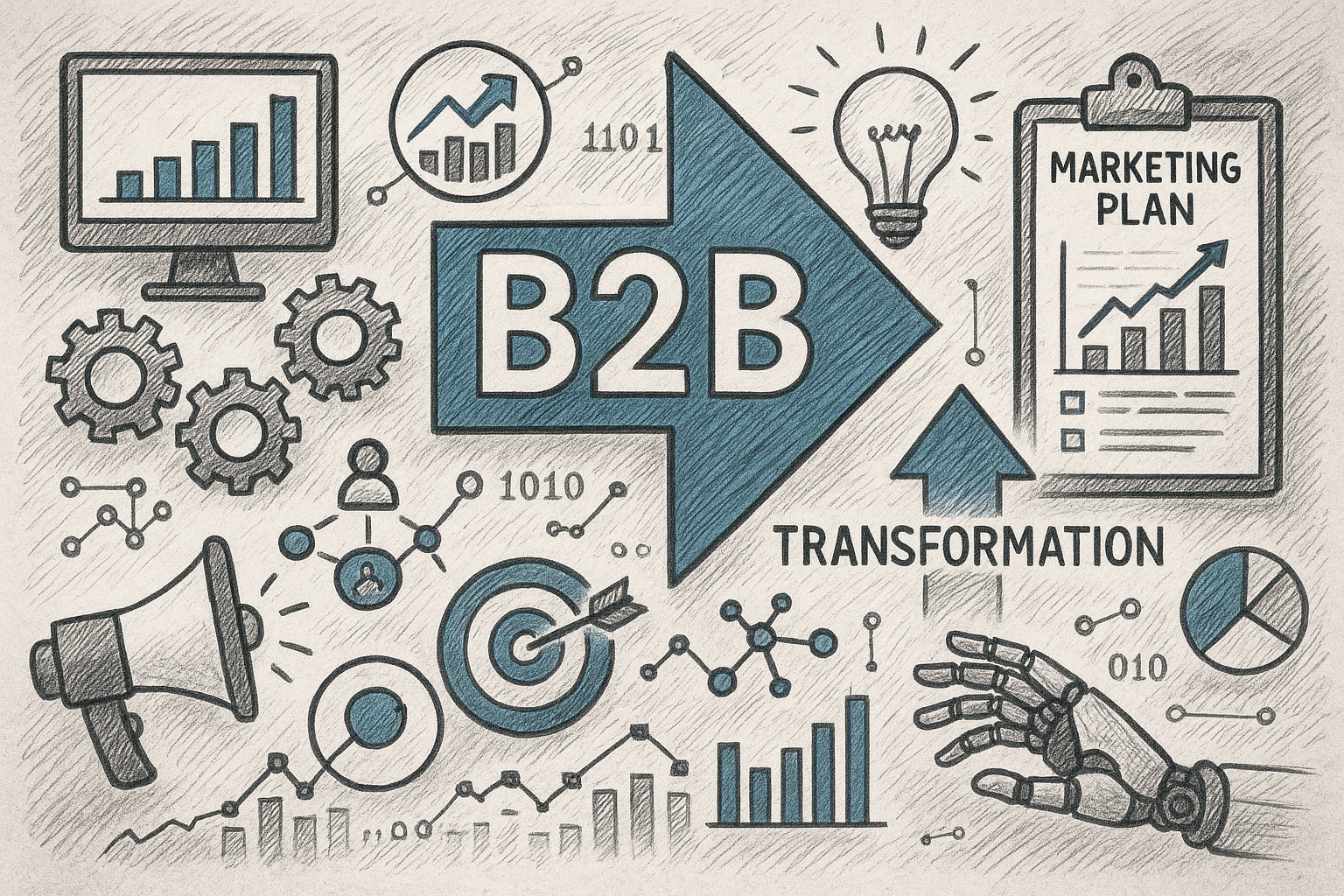
Learn to craft a B2B marketing plan tailored for digital transformation. This article covers strategic insights, practical tools, and essential steps to integrate technology effectively, enhancing your market reach and operational efficiency.
📑 Table of Contents
- Understanding the Role of Digital Transformation in B2BMarketing
- Setting Objectives for Your Digital Transformation Journey
- Developing a Strategic Framework for Integration
- Implementing Technology and Cultivating Digital Skills
- Measuring Success and Making Data-Driven Decisions
- Adapting to Changes and Innovating Continuously
- Practical Takeaway
Understanding the Role of Digital Transformation in B2B Marketing
Digital transformation reshapes how businesses operate and market their products or services in the B2B sector. It's not just about adopting new technologies, but also about changing the organization's culture to better meet client expectations and evolving market conditions. This transformation involves integrating digital technology into all areas of a business, fundamentally changing how you operate and deliver value to customers.
For marketers, digital transformation means embracing data analytics, digital marketing techniques, and new communication channels to enhance customer engagement and streamline operations. The goal is to create a more responsive, adaptable, and data-driven marketing strategy that aligns with modern business practices.
Setting Objectives for Your Digital Transformation Journey
Before diving into specific tactics, it’s crucial to define what digital transformation means for your marketing department. Objectives might include increasing operational efficiency, improving customer experience, or driving more data-driven marketing decisions. Setting clear, measurable goals helps in aligning the digital transformation initiatives with business outcomes and provides a benchmark against which you can measure success.
Objectives should follow the SMART criteria: Specific, Measurable, Achievable, Relevant, and Time-bound. For example, aiming to increase lead generation through digital channels by a certain percentage within a year is a SMART goal that supports broader digital transformation efforts.
Developing a Strategic Framework for Integration
The next step is creating a strategic framework that outlines how digital technologies will be integrated into your existing marketing strategies. This includes identifying which digital tools and platforms will best meet your objectives, such as customer relationship management (CRM) systems, marketing automation tools, and advanced analytics platforms.
Integration also involves mapping out customer journeys to identify touchpoints that can be enhanced through digital technologies. For instance, using data analytics to personalize communication at various stages of the customer journey can significantly enhance engagement and conversion rates.
Implementing Technology and Cultivating Digital Skills
Successful digital transformation requires not only the right tools but also a team skilled in using them. Investing in training and development ensures your marketing team can effectively leverage new technologies. Consider workshops, online courses, and hands-on training to build competencies in areas like data analysis, digital content creation, and digital campaign management.
When implementing new technologies, it’s important to do so incrementally. Start with pilot projects that allow you to measure the impact and refine your approach before a full-scale rollout. This minimizes disruption and allows for adjustments based on real-world feedback.
Measuring Success and Making Data-Driven Decisions
To understand the impact of your digital transformation efforts, establish key performance indicators (KPIs) that reflect your strategic objectives. These might include metrics like conversion rates, customer acquisition costs, and customer lifetime value. Use these metrics to regularly review the performance of your digital initiatives and identify areas for improvement.
Data plays a critical role in refining your marketing strategy. Regularly analyze the data collected through digital channels to gain insights into customer behavior and preferences. This data-driven approach allows you to make informed decisions that enhance your marketing effectiveness and contribute to business growth.
Adapting to Changes and Innovating Continuously
Digital transformation is not a one-time project but a continuous process of adaptation and improvement. The digital landscape is constantly evolving, with new technologies and consumer behaviors emerging regularly. Stay informed about industry trends and innovations, and be prepared to adjust your strategies in response to these changes.
Innovate continuously by experimenting with new digital marketing techniques and technologies. For example, explore the potential of artificial intelligence for predictive analytics or augmented reality for immersive customer experiences. Regular innovation keeps your marketing strategies aligned with the latest digital advancements and ahead of the competition.
Practical Takeaway
The journey of digital transformation in B2B marketing is complex and continuous. Begin by setting clear objectives and developing a strategic framework for integrating digital technologies. Focus on upskilling your team and implementing technologies incrementally to minimize risks. Measure your success with precise KPIs and adapt your strategies based on data-driven insights. Lastly, remain agile and innovative, ready to adjust to new technologies and market shifts. This proactive approach ensures that your B2B marketing efforts remain effective and relevant in a rapidly evolving digital landscape.
Frequently Asked Questions
What are the key elements of a B2B marketing plan for digital transformation?
A successful B2B marketing plan for digital transformation should include a comprehensive assessment of current digital capabilities, clear identification of target markets and customer personas, an integrated strategy for deploying new technologies, and robust data analytics to monitor progress and adapt strategies. Additionally, it should incorporate staff training on new technologies, a strong content marketing strategy, and proactive stakeholder engagement to ensure alignment and support across the organization.
How can data analytics enhance a B2B digital marketing strategy?
Data analytics play a crucial role in enhancing B2B digital marketing strategies by providing insights into customer behavior, market trends, and campaign performance. This information helps marketers to optimize their campaigns, personalize marketing messages, improve customer segmentation, and increase ROI. Consistent analysis of data allows businesses to make informed decisions, predict market changes, and stay ahead of competition by adapting to evolving customer needs.
What technologies are essential for implementing a digital transformation in B2B marketing?
Essential technologies for digital transformation in B2B marketing include Customer Relationship Management (CRM) systems, marketing automation tools, analytics platforms, and digital communication channels such as email, social media, and webinars. Additionally, emerging technologies like artificial intelligence (AI) and machine learning can provide advanced data analysis, enhance personalization, and automate complex processes. Integrating these technologies creates a more efficient, data-driven marketing approach that can dynamically adapt to market conditions and customer expectations.
Sources and References
- The Key Elements of a Successful Digital Transformation in B2B - This McKinsey article provides an in-depth analysis of how B2B companies can leverage digital transformation, specifically addressing strategic frameworks and integration techniques that enhance marketing efforts. It supports the article's section on developing a strategic framework for digital transformation.
- The Digital Maturity Model 4.0: Forge Your Path To Digital Mastery - Forrester's report outlines stages of digital maturity, providing a roadmap that is crucial for setting objectives in a B2B digital transformation journey. This source enhances understanding of how to strategically plan and measure digital transformation success.
- Cultivating Digital Skills and Mindsets - Harvard Business Review discusses the importance of developing digital skills within organizations undergoing digital transformations. This supports the article’s section on implementing technology and cultivating digital skills, providing insights into workforce training and development.
- Artificial Intelligence in B2B Marketing - This research paper from arXiv provides a comprehensive overview of how AI technologies are being integrated into B2B marketing strategies. It offers empirical data and case studies that underline the role of AI in digital transformations, directly supporting the article's discussion on AI in marketing.
- State of the Connected Customer - Salesforce research report that highlights how digital technologies are reshaping customer expectations in B2B sectors. This source is pivotal for understanding how digital transformation influences marketing strategies and customer relations, reinforcing the article's points on customer-centric digital strategies.
- Digital Transformation Strategy: Paths to Digital Maturity - Deloitte's insights on paths to digital maturity discuss the strategic approaches businesses can adopt for effective digital transformation. This supports the article’s section on measuring success and making data-driven decisions, providing frameworks for assessing digital progress.