Craft a Winning B2B Marketing Plan Centered on Customer Growth
Understanding the Importance of Customer-Centricity in B2B Marketing In the realm of business-to-business (B2B) marketing, the focus is increasingly shifting...

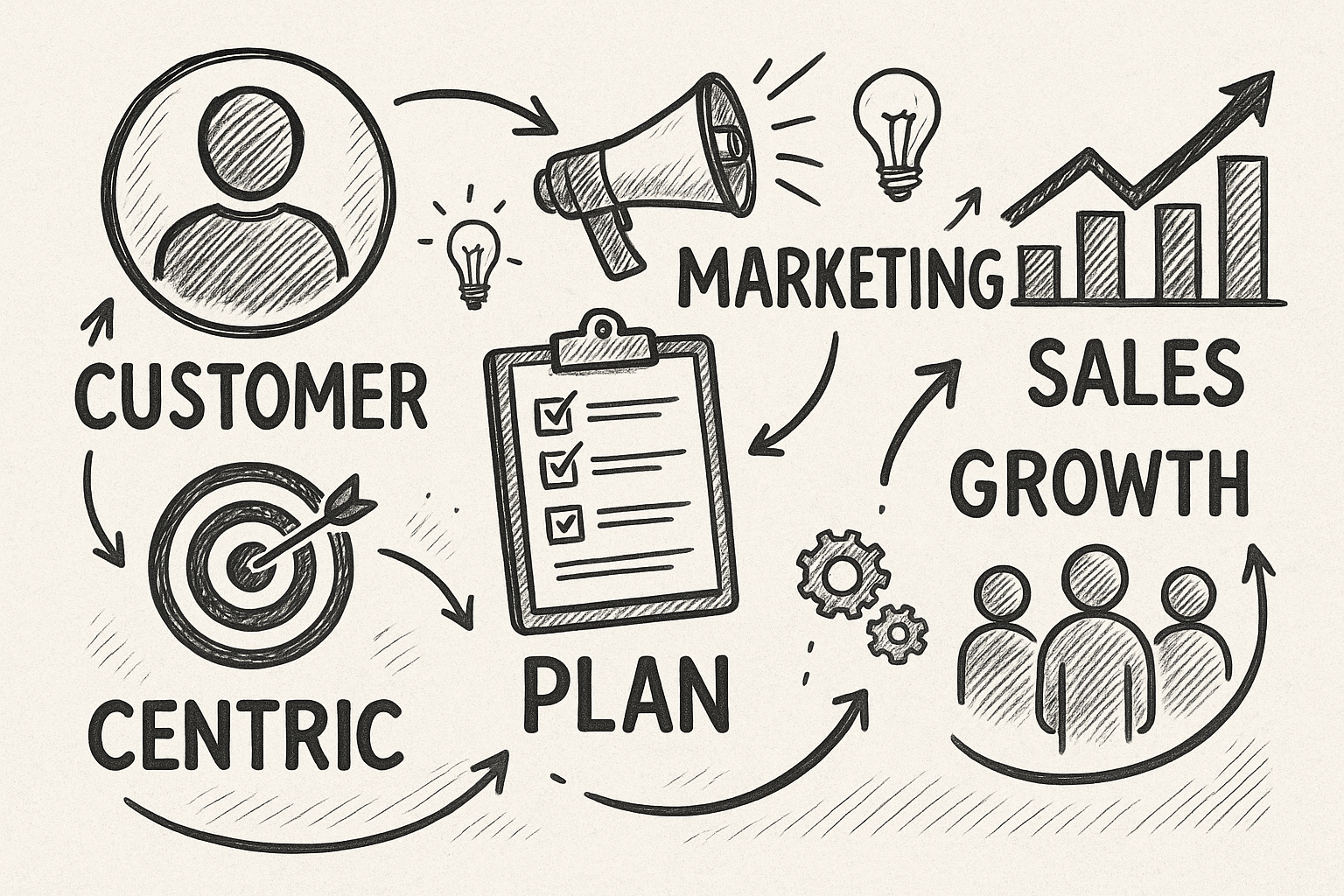
Discover how to craft a B2B marketing plan centered on customer-centric growth. This article explores strategies for understanding customer needs, aligning your goals, and implementing effective communication to drive sustainable success.
📑 Table of Contents
- Understanding the Importance of Customer-Centricity in B2BMarketing
- Building a Strong Foundation with Market Research
- Developing a Value Proposition That Resonates
- Integrating Customer Feedback into Continuous Improvement
- Aligning Sales and Marketing Efforts
- Measuring Success in a Customer-Centric Framework
- Practical Takeaways for Implementing a Customer-Centric B2B Marketing Plan
Understanding the Importance of Customer-Centricity in B2B Marketing
In the realm of business-to-business (B2B) marketing, the focus is increasingly shifting towards a customer-centric approach. This strategy not only enhances client satisfaction and loyalty but also drives sustainable growth by aligning marketing efforts with customer needs. A customer-centric B2B marketing plan prioritizes the customer's experience and value, aiming to deliver solutions that resonate deeply with the target audience's challenges and goals.
Building a Strong Foundation with Market Research
To create an effective customer-centric B2B marketing plan, it is crucial to start with comprehensive market research. This involves understanding your target audience deeply, including their industry, business size, decision-making processes, and pain points. Techniques such as surveys, interviews, and focus groups can provide insights into what drives customer decisions and satisfaction. ### Identifying Customer Segments Segmentation is a powerful tool in the arsenal of a B2B marketer. By dividing the market into distinct groups based on common characteristics or needs, businesses can tailor their offerings and communications to resonate more effectively with each segment. This targeted approach not only enhances the relevance of your marketing messages but also increases the efficiency of resource allocation.
Developing a Value Proposition That Resonates
A compelling value proposition is at the heart of any customer-centric marketing strategy. It clearly articulates why a potential customer should choose your product or service over competitors. The key is to highlight the unique benefits that directly address the needs and pain points of your target audience, thereby emphasizing the customer-centric nature of your offering. ### Crafting Messages That Matter Effective communication is about delivering the right message through the right channels. In B2B marketing, this means creating content that is both informative and engaging, addressing the specific concerns and interests of each customer segment. Whether through white papers, case studies, or digital content, the focus should be on providing value that establishes trust and credibility.
Integrating Customer Feedback into Continuous Improvement
A truly customer-centric B2B marketing plan is never static. It involves a continuous cycle of feedback and improvement to ensure that your offerings remain relevant and valuable to your customers. Regularly soliciting customer feedback through surveys, customer service interactions, and social listening can provide actionable insights that drive product development and marketing strategies. ### Leveraging Technology for Enhanced Interaction Utilizing customer relationship management (CRM) systems and marketing automation tools can greatly enhance the effectiveness of your customer-centric approach. These technologies allow for more personalized communication and efficient management of customer interactions, ensuring that each customer feels valued and understood.
Aligning Sales and Marketing Efforts
For a customer-centric B2B marketing plan to be successful, alignment between sales and marketing teams is essential. This alignment ensures a seamless customer journey from initial awareness through to purchase and post-sale support. Regular communication and shared goals between these teams can prevent silos and ensure a unified approach to customer engagement. ### Role of Content in Sales Enablement Content plays a crucial role in bridging the gap between sales and marketing. Effective sales enablement content not only supports the sales team in closing deals but also ensures that the brand message is consistent across all touchpoints. This content must be insightful, relevant, and directly supportive of the sales process, helping to educate and persuade potential customers.
Measuring Success in a Customer-Centric Framework
The effectiveness of a customer-centric B2B marketing plan is measured not just by sales metrics, but also by how well it meets customer needs and expectations. Key performance indicators (KPIs) such as customer satisfaction scores, net promoter scores (NPS), and customer lifetime value (CLV) are critical in assessing the health of customer-centric strategies. ### Utilizing Data to Drive Decisions In today’s data-driven world, leveraging analytics to understand customer behavior and preferences is crucial. Regular analysis of data helps in refining marketing strategies and making informed decisions that enhance customer satisfaction and retention. Tools and platforms that provide real-time data can help in quickly identifying trends and making adjustments to your marketing tactics.
Practical Takeaways for Implementing a Customer-Centric B2B Marketing Plan
To implement a successful customer-centric B2B marketing plan, focus on understanding your customers deeply and aligning your marketing efforts with their needs. Use segmentation to tailor your messaging, continuously integrate customer feedback, and ensure alignment between all customer-facing departments. Measure your success with relevant KPIs and use data to keep refining your approach. By maintaining a steadfast focus on your customers, you ensure not only their satisfaction but also the sustained growth of your business.
Frequently Asked Questions
What are the key elements of a customer-centric B2B marketing plan?
A customer-centric B2B marketing plan focuses primarily on understanding and addressing the needs and preferences of the business customers. Key elements include: detailed customer segmentation, personalized marketing messages, consistent customer engagement strategies, the integration of customer feedback into product development, and the measurement of customer satisfaction and loyalty. Effective use of data analytics to understand customer behaviors and preferences is also crucial for tailoring marketing efforts that resonate with the target audience.
How can a B2B company measure the effectiveness of a customer-centric marketing strategy?
Measuring the effectiveness of a customer-centric marketing strategy in a B2B context involves several key metrics. These include customer retention rates, customer lifetime value, net promoter score (NPS), and customer satisfaction scores. Additionally, tracking changes in customer engagement levels, such as increased interaction with marketing content or higher conversion rates, can provide insights. Regularly reviewing these metrics helps in understanding how well the strategy aligns with customer needs and identifies areas for improvement.
What role does sales alignment play in a customer-centric B2B marketing plan?
Sales alignment is crucial in a customer-centric B2B marketing plan as it ensures that the marketing and sales teams collaborate closely to provide a seamless customer experience. This alignment involves shared goals, mutual understanding of the target customer profiles, coordinated communication strategies, and joint handling of customer data. Such synchronization helps in delivering consistent messages and offers to customers, enhancing trust and improving the efficiency of the customer acquisition and retention process.
Sources and References
- Building a Customer-Centric B2B Organization - This Harvard Business Review article provides a comprehensive overview of the strategic importance of customer-centricity in B2B marketing. It supports the article's discussion on the necessity of aligning business strategies around customer needs for sustained growth.
- The B2B digital inflection point: How sales have changed during COVID-19 - McKinsey & Company's report details how B2B sales strategies have evolved, emphasizing the alignment of sales and marketing efforts. This source validates the article's points on the need for integrated strategies in a changing business environment.
- The Business Impact of Customer Experience 2021 - Forrester's analysis provides data and insights into how customer-centric approaches in B2B settings drive business growth, supporting the article's argument on developing a value proposition that resonates with customers.
- Essentials of a B2B Content Strategy - This piece from Content Marketing Institute discusses the role of market research in crafting effective B2B marketing strategies, which complements the article's section on building a strong foundation with market research.
- State of the Connected Customer - Salesforce provides a report that explores how integrating customer feedback into product development and marketing strategies enhances customer satisfaction and loyalty. This source underscores the article's focus on using customer feedback for continuous improvement.
- Artificial Intelligence and Business Strategy - This academic paper from arXiv discusses the impact of AI on business strategy formulation, including marketing and customer relationship management. It provides a theoretical backbone to the article's mention of AI in enhancing customer-centric marketing plans.