Craft a Winning B2B Marketing Framework for Targeted Outreach
In business-to-business (B2B) marketing, developing a robust framework for targeted outreach is crucial. This strategic approach ensures that your marketing...

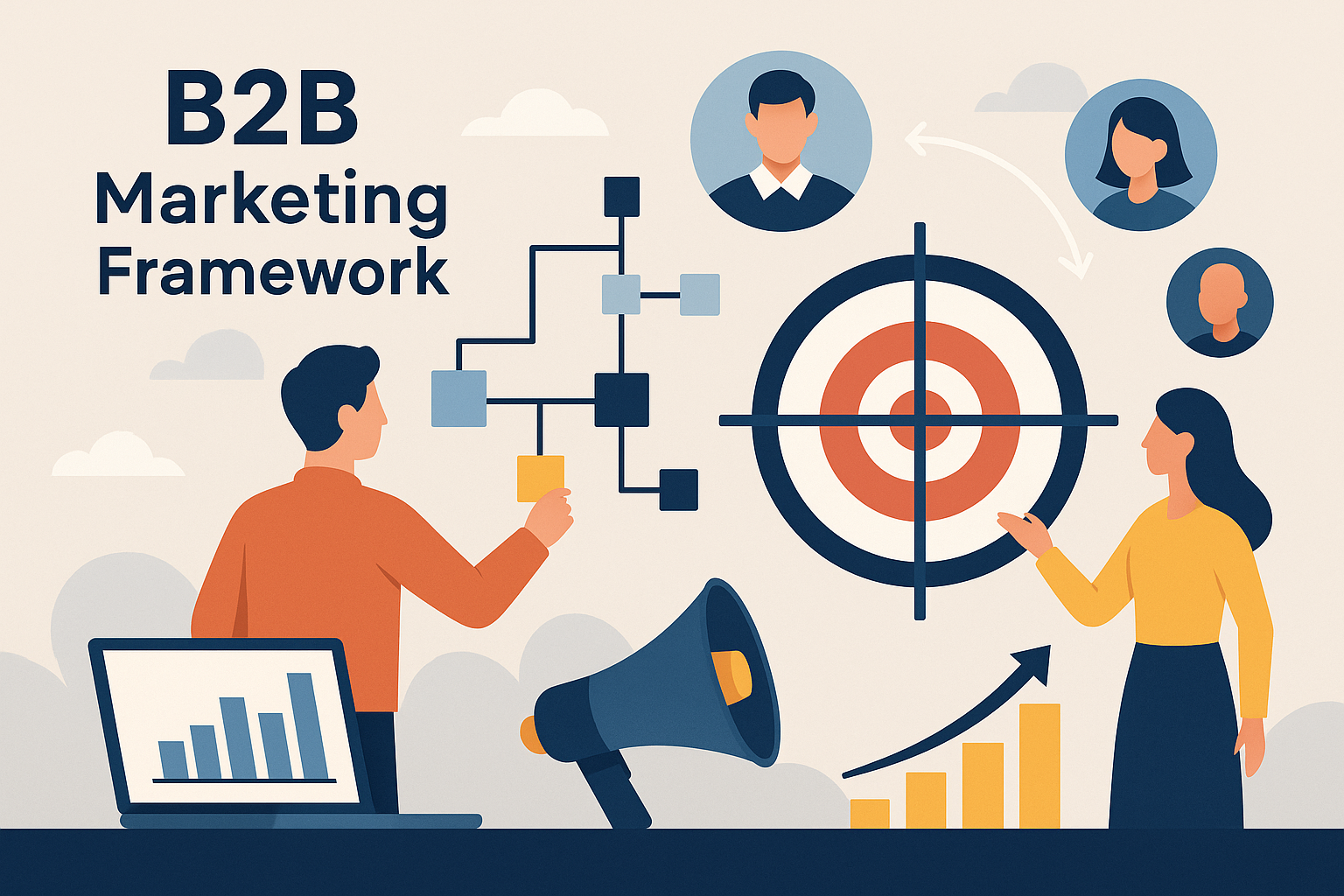
Discover the essentials of building a B2B marketing framework for targeted outreach. Learn to identify your audience, craft personalized messages, and use the right channels for effective communication. Gain insights on measuring success and refining strategies.
📑 Table of Contents
- Understanding the Importance of a B2BMarketingFramework
- Identifying Your Target Audience
- Developing a Value Proposition
- Choosing the Right Marketing Channels
- Creating Engaging and Persuasive Content
- Measuring Success and Optimizing Strategies
- Actionable Takeaways for Building Your B2B Marketing Framework
Understanding the Importance of a B2B Marketing Framework
In business-to-business (B2B) marketing, developing a robust framework for targeted outreach is crucial. This strategic approach ensures that your marketing efforts are not only systematic but also tailored to meet the specific needs of your business clients. A well-crafted B2B marketing framework helps in identifying the right target audience, crafting compelling messages, and choosing the most effective channels for communication.
Identifying Your Target Audience
The first step in creating a successful B2B marketing framework is to clearly define who your target audience is. This involves understanding the businesses that could benefit the most from your products or services. Key factors to consider include the industry sector, company size, geographic location, and the specific needs that your offerings can address.
Utilizing tools like customer relationship management (CRM) systems and data analytics platforms can help in segmenting and understanding your audience better. This segmentation allows for more personalized marketing efforts, which are often more effective in engaging potential clients.
Developing a Value Proposition
Once you know who you are targeting, the next step is to refine your value proposition. This is the unique set of benefits that your product or service offers, which distinguishes it from competitors. A strong value proposition addresses the specific challenges or needs of your target audience and explains how your solution makes their business operations more efficient, cost-effective, or profitable.
Effective value propositions are clear, concise, and directly linked to the unique needs of the target audience. They should communicate the tangible results a business can expect, supported by data or case studies where possible.
Choosing the Right Marketing Channels
With a clear understanding of your audience and a compelling value proposition, the next step is selecting the most effective channels for communication. B2B marketing often relies on a mix of digital and traditional marketing channels.
- Email Marketing: Direct and personalized, email marketing allows for detailed content delivery tailored to the stage of the buyer’s journey.
- Content Marketing: Offering valuable content that helps solve problems or answer questions can position your brand as a thought leader in your industry.
- Social Media: Platforms like LinkedIn are particularly effective for B2B interactions, providing a space for networking and engagement.
- Events and Webinars: These provide opportunities for direct engagement and can be very effective in building relationships and demonstrating expertise.
Creating Engaging and Persuasive Content
The content you produce plays a pivotal role in your marketing framework. Whether it’s a blog post, white paper, case study, or social media update, the content must be engaging, informative, and relevant to your audience. It should effectively communicate your value proposition and encourage the reader to take action, whether that’s downloading a resource, signing up for a webinar, or making a direct inquiry.
Remember to tailor the tone and style of your content to the preferences of your target audience. The use of industry-specific language and data-driven insights can enhance credibility and engagement.
Measuring Success and Optimizing Strategies
No B2B marketing framework is complete without a system for measuring success and optimizing strategies. Key performance indicators (KPIs) such as lead generation rates, conversion rates, engagement rates, and overall return on investment (ROI) should be monitored regularly.
Analytics tools can provide a wealth of data on how well different elements of your marketing strategy are performing. This data allows you to make informed decisions about what to continue, what to stop, and what to adjust. Continuous optimization based on real-time feedback is essential to improving the effectiveness of your marketing efforts over time.
Actionable Takeaways for Building Your B2B Marketing Framework
Developing a B2B marketing framework requires a strategic approach, but by following these steps, you can create a system that not only reaches but also resonates with your target business audience:
- Conduct thorough audience research to ensure your marketing efforts are directed at the right businesses.
- Refine your value proposition to clearly articulate the benefits of your offerings to your target audience.
- Select the most appropriate marketing channels based on where your audience spends their time and how they prefer to receive information.
- Produce quality content that addresses the needs and interests of your target audience, driving engagement and conversions.
- Implement a robust measurement system to track performance and optimize your marketing strategies continuously.
By integrating these elements into your B2B marketing framework, you set the stage for more effective and targeted marketing outreach, ultimately leading to better business outcomes.
Frequently Asked Questions
What are the key components of a B2B marketing framework?
The key components of a B2B marketing framework typically include audience segmentation, value proposition development, channel strategy, content marketing, lead generation, and metrics for performance evaluation. Each component plays a critical role in targeting the right audience effectively and measuring the success of marketing efforts.
How can I effectively target the right audience in B2B marketing?
To effectively target the right audience in B2B marketing, start by conducting thorough market research to understand your potential customers’ needs, preferences, and pain points. Use this information to create detailed buyer personas and segment your audience accordingly. Tailoring your messaging and marketing strategies to these specific segments will increase relevance and engagement, leading to higher conversion rates.
What strategies ensure a B2B marketing framework remains effective over time?
To ensure a B2B marketing framework remains effective over time, continuously analyze and refine your strategies based on performance data and feedback. Stay updated with industry trends and advancements in marketing technology. Additionally, regularly revisit and update your buyer personas to reflect any changes in the market or customer behavior. Flexibility and adaptability are key to sustaining long-term effectiveness in B2B marketing.
Sources and References
- What B2B Sales Need from Marketing Right Now - Harvard Business Review - This article provides insights into the importance of a structured B2B marketing framework, particularly in how marketing strategies can be aligned with sales objectives to enhance targeted outreach. It discusses the necessity of understanding customer needs, which supports the article's section on identifying target audiences and developing a value proposition.
- The B2B Revenue Marketing Framework - Forrester - Forrester's report offers a comprehensive look at creating and implementing a B2B marketing framework, emphasizing the role of targeted marketing channels and content strategies. This supports the article’s sections on choosing the right marketing channels and creating engaging content, providing a strategic perspective on effective B2B outreach.
- Rules to Create Engaging Content for B2B Marketers - Content Marketing Institute - This source dives into strategies for crafting content that resonates with a B2B audience, supporting the article’s discussion on creating persuasive and engaging marketing content. It provides practical tips that can be directly applied to enhance content effectiveness in a B2B marketing framework.
- A Better Way to Understand Your Customers - McKinsey & Company - McKinsey's analysis helps in understanding the segmentation and targeting aspect of B2B marketing, which is crucial for identifying the target audience as discussed in the article. It offers data-driven insights and methodologies for effective audience analysis.
- Artificial Intelligence and Its Implications for Market Knowledge in B2B Marketing - arXiv - This academic paper explores the use of AI in gaining deep market insights, which is pertinent to developing a value proposition and targeted marketing strategies in B2B frameworks. It provides a scholarly perspective on integrating technology into market analysis processes.
- What is Marketing Automation? - Salesforce - Salesforce elaborates on the role of marketing automation tools in executing a B2B marketing framework efficiently. This source supports the article's discussion on using the right marketing channels effectively, particularly in automating repetitive tasks and personalizing customer interactions.