Craft a Winning B2B Marketing Framework for Superior Lead Nurturing
To effectively nurture leads in a business-to-business (B2B) environment, it's crucial to have a robust marketing framework. This framework serves as a...

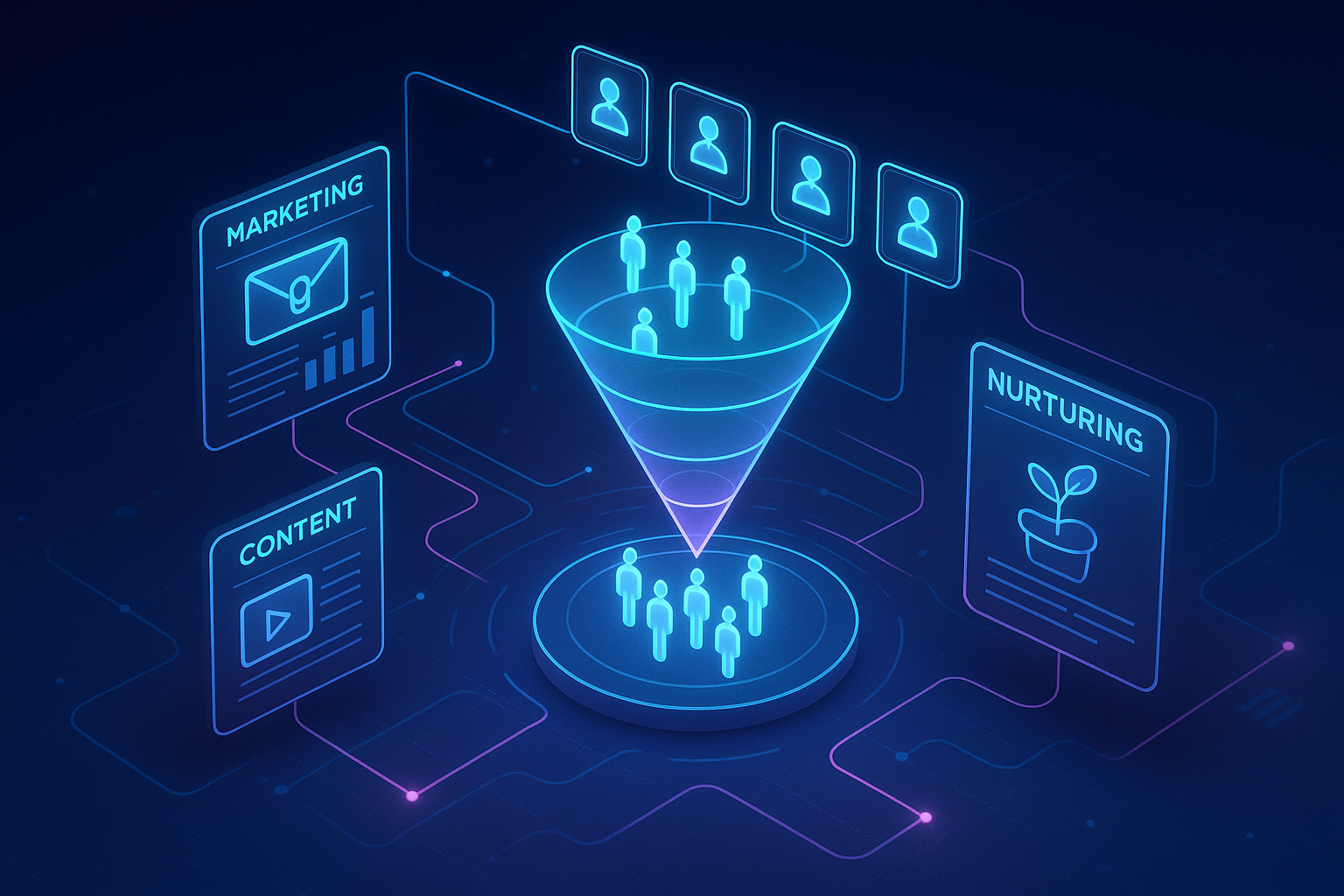
Discover how to build a B2B marketing framework that effectively nurtures leads. Learn key strategies for identifying target audiences, personalized content creation, and leveraging analytics to refine your approach for optimal conversion rates.
📑 Table of Contents
- Understanding the B2BMarketingFramework
- Identifying and Understanding Your Target Audience
- Developing Buyer Personas
- Creating Valuable and Relevant Content
- Utilizing Various Content Formats
- Implementing Multi-Channel Marketing
- Email Marketing for Regular Engagement
- Leveraging Social Media for Brand Awareness
- Aligning Sales and Marketing Efforts
- Developing a Shared Lead Scoring System
- Monitoring, Measuring, and Optimizing
- Utilizing Analytics for Continuous Improvement
- Adapting to Feedback and Industry Changes
Understanding the B2B Marketing Framework
To effectively nurture leads in a business-to-business (B2B) environment, it's crucial to have a robust marketing framework. This framework serves as a blueprint for attracting, engaging, and converting professional clients over a period, focusing on building relationships rather than mere transactions. At its core, a B2B marketing framework involves understanding your audience, tailoring communications, and leveraging various marketing channels to maintain engagement.
Identifying and Understanding Your Target Audience
Before diving into any marketing strategies, it's essential to clearly define and understand your target audience. This involves segmenting your market based on specific criteria such as industry, company size, role within the company, and pain points. Reliable data collection and analysis tools are indispensable for gaining insights into your audience’s behavior and needs. This foundational step ensures that all further marketing efforts are highly targeted and relevant.
Developing Buyer Personas
Create detailed buyer personas that represent your ideal customers. These should include demographic information, business goals, challenges, and decision-making processes. Personas help personalize your marketing efforts, making them more effective in addressing the specific needs and pain points of your leads. Learn more at fred.stlouisfed.org business insights
Creating Valuable and Relevant Content
Content is the cornerstone of any effective lead nurturing strategy. High-quality, relevant content attracts the right audience and engages them at various points in their buyer’s journey. Develop a content strategy that includes a mix of educational articles, blog posts, whitepapers, case studies, and videos tailored to the interests and needs of your personas.
Utilizing Various Content Formats
Experiment with different content formats to see what resonates best with your audience. For instance, some may prefer in-depth whitepapers, while others might engage more with short, informative videos or infographics. The key is to provide valuable information that positions your company as a thought leader and a reliable solution provider.
Implementing Multi-Channel Marketing
Effective lead nurturing requires a multi-channel approach. This means utilizing a combination of marketing channels such as email, social media, webinars, and even direct mail to maintain contact and engagement with your leads. Each channel should have a specific role within your overall strategy, tailored to where your leads are in the sales funnel.
Email Marketing for Regular Engagement
Email remains one of the most effective tools for lead nurturing. Use segmented lists to send personalized messages based on the user’s behavior and interaction with your content. Automated drip campaigns can help deliver the right content at the right time, moving leads further down the funnel.
Leveraging Social Media for Brand Awareness
Social media platforms are excellent for building brand awareness and engaging with potential customers. Regular posts, combined with targeted ads, can help keep your brand top-of-mind for when decision-makers are ready to purchase.
Aligning Sales and Marketing Efforts
The alignment between sales and marketing teams is critical for successful lead nurturing. Ensure that both teams are on the same page regarding goals, definitions of qualified leads, and when to hand off leads from marketing to sales. Regular meetings and shared metrics are vital for maintaining alignment and optimizing the lead nurturing process.
Developing a Shared Lead Scoring System
Implement a lead scoring system that helps both sales and marketing identify which leads are ready to buy and which ones need more nurturing. This system should be based on a combination of demographic information and behavioral data, such as email engagement, content downloads, and website activity.
Monitoring, Measuring, and Optimizing
Monitoring and measuring the performance of your lead nurturing efforts are crucial for understanding what works and what doesn’t. Set up key performance indicators (KPIs) such as conversion rates, lead velocity, and ROI to gauge the effectiveness of your strategies.
Utilizing Analytics for Continuous Improvement
Use analytics tools to track user behavior and campaign performance. This data should inform your decisions on what aspects of your marketing strategy need tweaking or enhancement. Regularly testing different approaches and messages allows you to refine your tactics and improve the effectiveness of your lead nurturing efforts.
Adapting to Feedback and Industry Changes
Lead nurturing in the B2B space is not a set-it-and-forget-it strategy. It requires ongoing adaptation and responsiveness to feedback from both leads and industry developments. Stay updated with industry trends and continuously seek feedback through surveys and direct communication with clients. This proactive approach ensures your marketing efforts remain relevant and effective, regardless of market changes.
By following these principles and continuously refining your approach based on data-driven insights, your B2B marketing framework will effectively nurture leads, contributing to sustained business growth and a strong, loyal customer base.
Frequently Asked Questions
What is a B2B marketing framework and why is it important for lead nurturing?
A B2B marketing framework is a structured approach used by businesses to plan, execute, and measure marketing efforts aimed at other businesses. It's important for lead nurturing because it helps in systematically guiding potential customers through the sales funnel, from initial awareness to the final decision to purchase. By using a well-defined framework, companies can ensure consistent engagement, effectively educate their prospects, and build strong relationships that are crucial for successful B2B transactions.
How can content marketing be utilized in a B2B marketing framework?
Content marketing can be used in a B2B marketing framework to attract and engage leads by providing valuable information that addresses their specific needs and challenges. Effective content marketing strategies might include creating whitepapers, case studies, blogs, and videos that help demonstrate industry expertise, solve common problems, and answer frequently asked questions. This approach not only helps in establishing credibility but also keeps potential clients engaged throughout their decision-making process, thereby facilitating smoother lead nurturing.
What are the best practices for nurturing leads in a B2B context?
Best practices for nurturing leads in a B2B context include regular communication, personalization, and the use of automation tools. Regular communication helps keep your brand at the forefront of the lead's mind, while personalization—tailoring the content and timing of your outreach to the specific needs and behaviors of each lead—increases the relevance and effectiveness of your efforts. Additionally, leveraging automation tools can help streamline the lead nurturing process, ensuring timely follow-ups and maintaining a consistent communication schedule without overwhelming your marketing team.
How do you measure the effectiveness of a B2B marketing framework?
Measuring the effectiveness of a B2B marketing framework involves tracking key performance indicators (KPIs) such as lead generation rates, conversion rates, engagement metrics, and overall ROI. Tools like CRM systems and marketing automation platforms can be used to collect and analyze data on how leads interact with your content and move through the sales funnel. Regularly reviewing these metrics helps in identifying successful strategies and areas for improvement, ensuring that the marketing efforts are aligned with business objectives and are yielding the desired outcomes.
Sources and References
- The B2B Revenue Waterfall: New Rules For New Buyers - This Forrester report provides a comprehensive overview of modern B2B marketing frameworks, emphasizing the importance of understanding and engaging target audiences effectively. It supports the article's discussion on the necessity of a structured approach in lead nurturing within B2B contexts.
- Designing a Marketing Organization for the Digital Age - Harvard Business Review article that discusses how marketing organizations can adapt to digital transformations. It is particularly relevant to the sections of the article that deal with integrating various content formats and utilizing digital platforms for effective lead nurturing.
- How to Align Your Content Strategy With Your Lead Nurturing Goals - This piece from the Content Marketing Institute outlines how to create content that aligns with lead nurturing objectives, supporting the article's segment on creating valuable and relevant content for B2B marketing.
- A Better Way to Map Brand Strategy - McKinsey report that provides insights into developing buyer personas and understanding customer journeys in B2B markets. This source is crucial for substantiating the article’s discussion on the development of buyer personas and their role in crafting effective marketing strategies.
- Artificial Intelligence and Machine Learning in Marketing - This research paper from arXiv provides a deep dive into how AI and machine learning are reshaping marketing strategies. It supports discussions in the article about leveraging AI to enhance content personalization and lead nurturing processes in B2B marketing.
- State of the Connected Customer - Salesforce research report that offers data-driven insights into customer expectations and behaviors in the B2B space. This source is used to back the article's claims about the importance of understanding and meeting the specific needs of B2B customers through tailored marketing efforts.