Craft a Robust B2B Crisis Management Communication Plan
Understanding the Importance of a B2B Crisis Management Communication Plan In the realm of business-to-business (B2B) interactions, the ability to communicate...

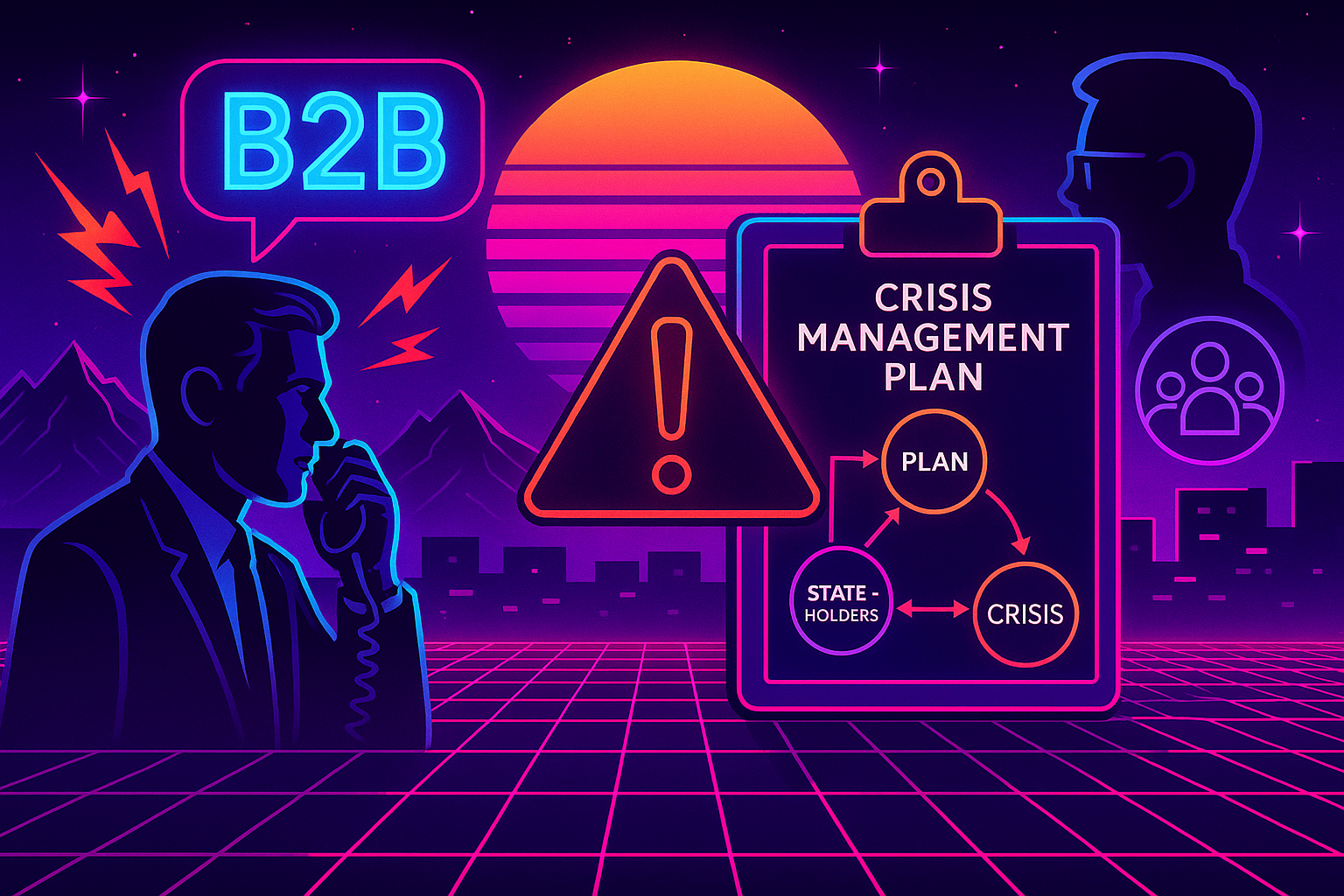
Learn to craft a robust B2B crisis management communication plan. This article covers essential steps from risk assessment to stakeholder communication, ensuring your business maintains trust and stability in any crisis.
📑 Table of Contents
- Understanding the Importance of a B2B Crisis Management Communication Plan
- Identifying Potential Crises and Stakeholders
- Establishing Your Crisis Communication Team
- Developing the Communication Strategy
- Message Development
- Channels of Communication
- Implementing Monitoring and Feedback Mechanisms
- Legal and Ethical Considerations
- Regularly Updating and Testing the Plan
- Measuring the Effectiveness of Crisis Management
Understanding the Importance of a B2B Crisis Management Communication Plan
In the realm of business-to-business (B2B) interactions, the ability to communicate effectively during a crisis can not only mitigate damage but also build trust and credibility with partners, clients, and stakeholders. A well-crafted crisis management communication plan ensures that your organization responds promptly and appropriately, maintaining control over the narrative and minimizing potential disruptions to business operations.
Identifying Potential Crises and Stakeholders
Before drafting a communication plan, it's crucial to identify what types of crises could potentially impact your business. These could range from data breaches and legal issues to natural disasters and major product failures. Understanding these risks enables you to tailor your communication strategies effectively. Equally important is the identification of key stakeholders who will be affected by these crises. This group may include clients, suppliers, investors, regulatory bodies, and the media. Each stakeholder group may require different information and modes of communication which should be defined in the crisis communication plan.
Establishing Your Crisis Communication Team
A dedicated crisis communication team is essential for managing any emergency. This team should be composed of members from various departments such as leadership, public relations, legal, and IT. Each member should have a clear role and responsibilities defined to ensure swift action when a crisis occurs. Training is also a pivotal aspect of preparation. Regular training sessions and drills can help the team stay prepared and ensure everyone understands their tasks and the overall communication strategy during a crisis.
Developing the Communication Strategy
Message Development
At the heart of your crisis communication plan is the strategy for messaging. Key messages should be prepared in advance for different types of crises and tailored to various stakeholders. Messages need to be clear, concise, honest, and transparent. They should focus on the actions the company is taking to manage the situation and its commitment to stakeholders.
Channels of Communication
Selecting the right channels to disseminate your messages is critical. These could include press releases, social media, email, and direct meetings among others. The choice of channel will depend on the urgency of the message and the specific stakeholders you are targeting.
Implementing Monitoring and Feedback Mechanisms
Continuous monitoring of how the crisis and your company’s response are being perceived is crucial. This can involve social media monitoring, media coverage analysis, and direct feedback from stakeholders. Tools and services that provide real-time alerts and sentiment analysis can be invaluable here. Feedback mechanisms should also be established to gather insights from stakeholders. This can help adjust the ongoing response and improve future crisis handling. It is important to be flexible and adapt your strategy based on real-time feedback and the evolving nature of the crisis.
Legal and Ethical Considerations
Every communication sent out during a crisis must be vetted for legal and ethical implications. Misinformation or poorly worded communications can not only worsen the crisis but also lead to legal consequences. Collaboration with the legal team is necessary to ensure all communications comply with relevant laws and regulations.
Regularly Updating and Testing the Plan
A crisis management communication plan is not a static document; it needs regular reviews and updates to remain effective. Changes in business operations, stakeholder expectations, or the regulatory environment can all impact the relevance of your plan. Periodic testing through simulated crises can help identify gaps in the plan and training needs of the team. These exercises should be as realistic as possible and involve all parts of the organization to ensure everyone understands their role during an actual crisis.
Measuring the Effectiveness of Crisis Management
After a crisis has been managed, it’s crucial to assess the effectiveness of the communication efforts. This can be measured by various metrics such as the speed of response, accuracy of messages, stakeholder satisfaction, and overall impact on the company's reputation. Feedback gathered during this phase should be used to refine the crisis communication plan and improve preparations for future incidents. Continuous improvement based on historical data and new insights will strengthen your organization's resilience and capability to handle future crises. By following these steps, marketing professionals can ensure that their organizations are not only prepared to handle crises effectively but are also equipped to maintain trust and continuity in their B2B relationships. The ability to manage a crisis well reinforces your company’s reputation for reliability and responsiveness, turning potential disasters into demonstrations of competence and stability.
Frequently Asked Questions
What are the key components of a B2B crisis management communication plan?
A comprehensive B2B crisis management communication plan typically includes identification of potential crises, a communication strategy, designated spokespersons, key messages, stakeholder mapping, and predefined channels for communication. It also involves regular training and drills for the crisis communication team, as well as a method for post-crisis review and plan adjustments.
How do you identify and prioritize stakeholders in a crisis communication plan?
Stakeholders in a crisis communication plan are prioritized based on their level of impact and influence during a crisis. This includes internal stakeholders like employees and management, and external ones like clients, suppliers, regulators, and the media. Effective identification involves mapping out all potential stakeholders, assessing their needs, expectations, and influence, and strategizing communication based on these factors.
What strategies should be used to communicate effectively during a crisis?
Effective communication strategies during a crisis include maintaining transparency, being proactive in updates, ensuring consistency in messaging, and using multiple channels to reach all stakeholders. It is crucial to provide clear, concise, and accurate information to maintain trust and manage the situation effectively. Timeliness and empathy are also vital components in managing the communication during a crisis.
How often should a B2B crisis management communication plan be reviewed and updated?
A B2B crisis management communication plan should be reviewed and updated regularly, at least annually, or whenever there are significant changes in the business environment, internal operations, or stakeholder groups. Regular updates ensure the plan remains effective and relevant in dynamically changing business contexts.
What role does training play in preparing for crises in B2B settings?
Training is crucial in preparing for crises as it ensures that all team members understand their roles and responsibilities within the crisis management framework. Regular training sessions help in refining communication skills, testing the effectiveness of the communication plan, and building confidence among team members to handle real crisis situations effectively.
Sources and References
- Crisis Communication Lessons from 9/11 - This Harvard Business Review article explores effective communication strategies during crises, providing historical context and expert analysis that supports the section on developing the communication strategy in a B2B crisis management plan.
- PwC Insights on Crisis Management - PricewaterhouseCoopers offers a comprehensive guide on crisis management, including identifying potential crises and stakeholders. This source is particularly useful for understanding how to tailor a crisis management communication plan to various stakeholder needs in a B2B environment.
- Deloitte's Strategies for Crisis Management - Deloitte provides detailed strategies and frameworks for crisis management that are essential for the section on establishing your crisis communication team, including roles and responsibilities during a crisis.
- Three Keys to Effective Crisis Management at MIT Sloan - This academic article from MIT Sloan discusses the critical aspects of crisis management, supporting the article's content on message development and strategy formulation in crisis communication.
- The Role of AI in Crisis Management - Forrester Research - This report details how artificial intelligence can be leveraged in crisis management, particularly in automating communications and analyzing stakeholder sentiments, which aligns with the discussion on AI in the article's section on developing the communication strategy.
- Gartner on Crisis Management and Communications - Gartner's research document provides insights into best practices for crisis communication, supporting the article's emphasis on effective communication during crises and how to prepare and respond effectively.