Craft a Buyer-Centric B2B Marketing Strategy for Better Results
Creating a successful B2B marketing strategy is essential for any business looking to engage effectively with other businesses. By focusing on buyer needs, you...

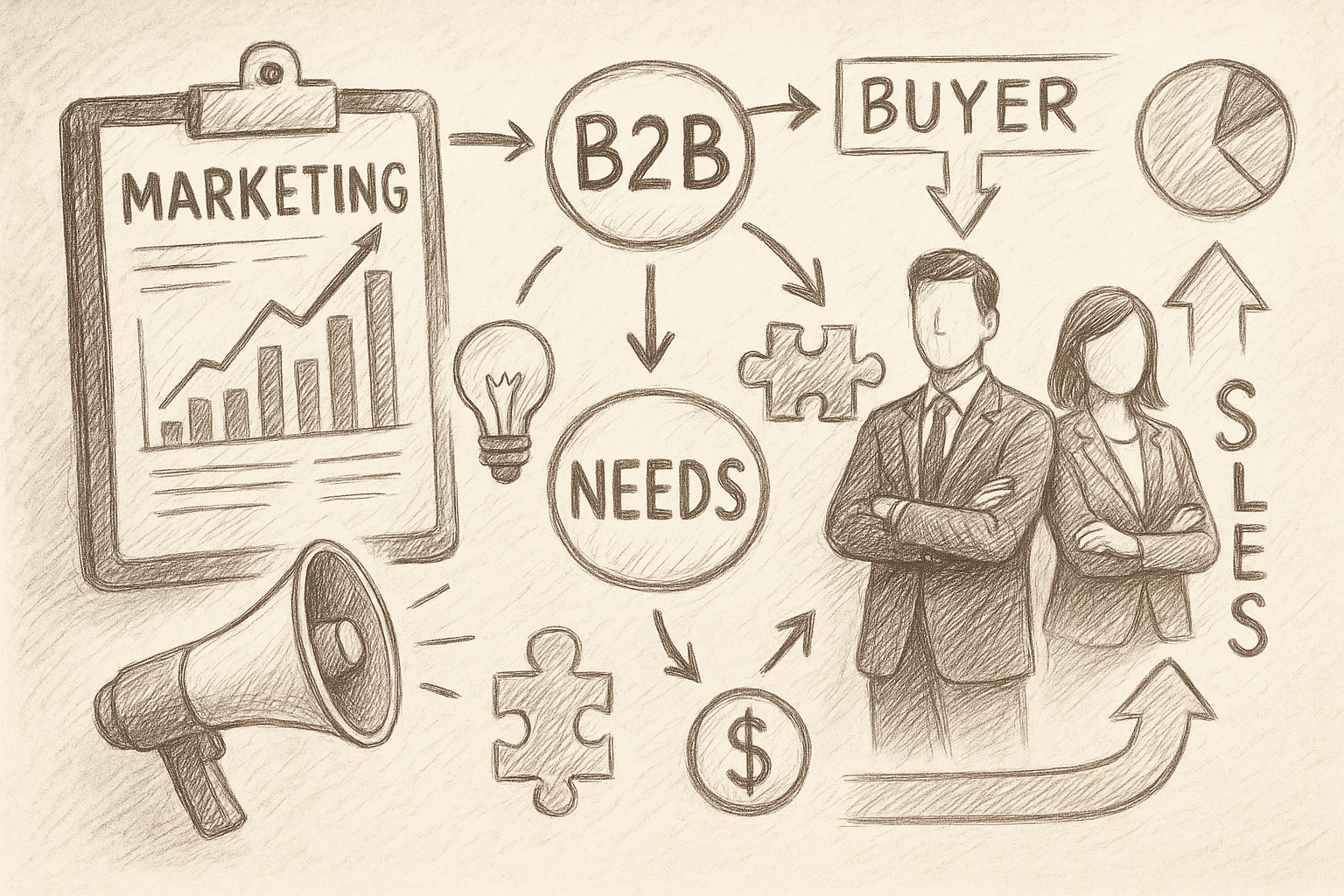
Learn to craft a B2B marketing strategy centered on buyer needs. This article will guide you through understanding your audience, aligning your goals, and implementing effective tactics to drive engagement and growth.
📑 Table of Contents
- Understanding Your Buyer Persona
- Conducting Market Research
- Creating Detailed Buyer Personas
- Mapping the Buyer’s Journey
- Identifying Key Touchpoints
- Aligning Content with Buyer Needs
- Developing a Value Proposition
- Highlighting Unique Benefits
- Communicating Consistently Across Channels
- Integrating Sales and Marketing Efforts
- Sharing Insights and Feedback
- Creating Sales Enablement Tools
- Leveraging Data for Continuous Improvement
- Setting Key Performance Indicators (KPIs)
- Using A/B Testing
- Anticipating Future Needs and Trends
- Investing in Ongoing Learning
- Adapting Strategies Proactively
Creating a successful B2B marketing strategy is essential for any business looking to engage effectively with other businesses. By focusing on buyer needs, you can tailor your approach to resonate with your target audience, ultimately driving conversions and fostering long-term relationships. This tutorial will guide marketing professionals through the steps needed to design and execute a buyer-centric B2B marketing strategy.
Understanding Your Buyer Persona
Before you can effectively target your marketing efforts, you need to have a deep understanding of who your buyers are. This involves more than just knowing their industry and job title; it requires a comprehensive analysis of their challenges, goals, and behaviors.
Conducting Market Research
Start by gathering qualitative and quantitative data through surveys, interviews, and analysis of industry reports. Aim to answer questions like: - What are the common pain points for buyers in this industry? - What goals are they trying to achieve? - How do they typically seek solutions?
Creating Detailed Buyer Personas
Use the data collected to create detailed buyer personas. These should include demographic information, business roles, decision-making processes, and psychographic factors like values and concerns. Personas help you visualize the buyer's journey and tailor your marketing strategies accordingly.
Mapping the Buyer’s Journey
Understanding the path that buyers take from recognizing a need to making a purchase is crucial. This journey often involves several stages, including awareness, consideration, and decision.
Identifying Key Touchpoints
Analyze the interactions that potential buyers have with your brand. Identify the channels and content types that most effectively engage them at each stage of their journey. This might include industry blogs, webinars, whitepapers, or case studies.
Aligning Content with Buyer Needs
Develop content that addresses the specific needs and questions buyers have at each stage of their journey. For instance, during the awareness stage, educational content can help establish your brand as a thought leader. As buyers move into the consideration stage, more detailed content like product comparisons or case studies can guide their decision-making process.
Developing a Value Proposition
Your value proposition is a clear statement that explains how your product or service solves buyers' problems or improves their situation. It should resonate with your buyer persona and differentiate your offering from competitors.
Highlighting Unique Benefits
Focus on the unique benefits that your product or service offers, especially those that directly address the needs and pain points identified in your buyer personas. This could include superior customer service, innovative technology, or cost efficiency.
Communicating Consistently Across Channels
Ensure that your value proposition is communicated consistently across all marketing channels. This coherence helps reinforce your message and makes your brand more memorable.
Integrating Sales and Marketing Efforts
A cohesive relationship between sales and marketing is critical to a buyer-focused strategy. The insights gained from direct customer interactions by sales teams can be incredibly valuable for refining marketing strategies.
Sharing Insights and Feedback
Establish regular meetings and communication channels between sales and marketing teams to share insights, feedback, and data. This collaboration helps marketing to refine tactics and messaging based on real customer interactions.
Creating Sales Enablement Tools
Develop tools and resources that help sales teams communicate the value proposition effectively. This could include cheat sheets, presentation templates, or customer case studies that sales representatives can use during meetings.
Leveraging Data for Continuous Improvement
In today’s data-driven world, continuously monitoring performance and optimizing strategies is vital for success. Use analytics tools to track the effectiveness of different tactics and make informed decisions.
Setting Key Performance Indicators (KPIs)
Define clear KPIs that align with your business objectives. This might include metrics like lead generation rates, conversion rates, or customer acquisition costs.
Using A/B Testing
Conduct A/B tests on various elements of your marketing strategy, from email marketing campaigns to landing pages. This testing helps identify what resonates best with your audience and allows for more targeted and effective marketing efforts.
Anticipating Future Needs and Trends
Staying ahead of the curve is essential in maintaining a competitive edge. Continually research and predict changes in your industry that could impact buyer behavior.
Investing in Ongoing Learning
Encourage your team to stay updated with the latest industry news, technologies, and best practices. Regular training and professional development opportunities can help your team anticipate and respond to changes effectively.
Adapting Strategies Proactively
Be prepared to adapt your strategies based on both predictive insights and real-time data. Flexibility can help you stay relevant and continue to meet buyer needs effectively. In conclusion, creating a B2B marketing strategy that focuses on buyer needs involves understanding your audience deeply, aligning your messaging and sales efforts, and continuously leveraging data for improvement. By anticipating and adapting to the needs of your buyers, you can build lasting relationships that drive success.
Frequently Asked Questions
What are the key components of a successful B2B marketing strategy focused on buyer needs?
A successful B2B marketing strategy focused on buyer needs should include thorough market research, precise buyer persona development, effective communication channels identification, and tailored content creation. It is crucial to continuously analyze and adjust your strategy based on feedback and changing market conditions to ensure alignment with buyer expectations and needs.
How can I identify the needs of my B2B buyers effectively?
Identifying the needs of B2B buyers effectively involves conducting detailed market research, including surveys, interviews, and focus groups with current and potential customers. Analyzing industry trends, competitor offerings, and customer feedback are also crucial. Building strong relationships with your buyers can provide deeper insights into their ongoing challenges and needs.
What role does content marketing play in a B2B strategy focused on buyer needs?
Content marketing is vital in addressing the specific needs and challenges of buyers. It helps in educating, informing, and nurturing potential clients through various stages of the buying process. Tailored content such as case studies, whitepapers, and how-to guides can effectively demonstrate how your products or services can resolve specific business issues, thereby aligning your solutions with buyer needs.
How do I measure the success of my B2B marketing strategy?
Measuring the success of a B2B marketing strategy involves tracking key performance indicators (KPIs) such as lead generation, conversion rates, customer acquisition costs, customer lifetime value, and return on investment (ROI). Additionally, assessing customer satisfaction and retention rates can provide insights into how well your strategy meets buyer needs and expectations.
Sources and References
- The B2B Revenue Waterfall - This Forrester report provides a detailed analysis of B2B buyer behaviors and preferences. It supports the article's sections on mapping the buyer’s journey and identifying key touchpoints by presenting data-driven insights into how B2B buyers interact with vendors throughout the purchase process.
- The Elements of Value in Business Markets - This Harvard Business Review article explores various elements that add value in B2B markets. It complements the article's discussion on creating detailed buyer personas and understanding buyer needs by highlighting what B2B buyers value most in their interactions with suppliers.
- HubSpot's Make My Persona Tool - HubSpot offers a practical tool for creating detailed buyer personas. This resource is instrumental for the section of the article that guides readers on how to create detailed buyer personas, providing a user-friendly platform for marketers to visualize and develop their buyer personas.
- Understanding Customer Needs through Market Research - This academic paper from arxiv.org discusses methodologies for conducting effective market research, which is crucial for understanding buyer personas as discussed in the article. It offers empirical evidence and methodologies that validate the importance of thorough market research in strategy development.
- The B2B Digital Inflection Point: How Sales Have Changed During COVID-19 - McKinsey & Company analyze changes in B2B sales strategies post-COVID-19. This source supports the article's points on adapting marketing strategies to meet evolving buyer needs, especially in a digital-first world.
- Effective B2B Marketing Strategies - Salesforce provides a comprehensive guide on B2B marketing strategies that are centered on buyer needs. This resource reinforces the article's advocacy for strategies that are deeply rooted in understanding and addressing the specific needs of buyers, offering practical tips and examples.