Craft a B2B Content Calendar for Steady Engagement Success
Content calendars are essential tools for B2B marketers aiming to deliver consistent, relevant, and engaging content. By strategizing a content calendar...

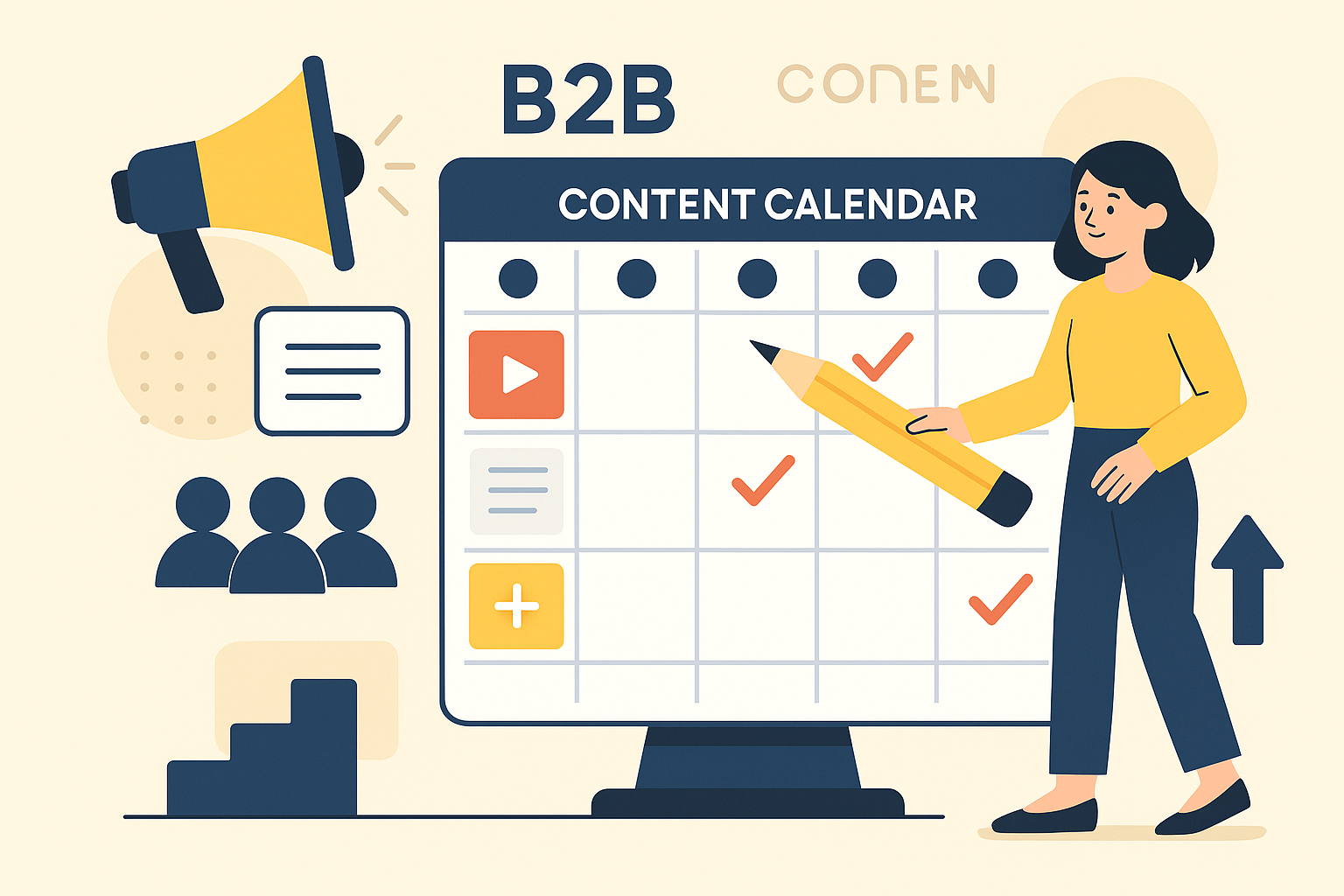
Content calendars are essential tools for B2B marketers aiming to deliver consistent, relevant, and engaging content. By strategizing a content calendar effectively, businesses can ensure ongoing engagement with their audience, align their marketing efforts with business goals, and efficiently manage resources. This tutorial will guide you through the steps to develop a robust B2B content calendar that fosters consistent engagement. ### Understanding Your Audience and Their Needs Before diving into the calendar itself, it's critical to understand who your content is for and what they need. Begin by segmenting your audience based on industry, job role, and pain points. Utilize customer feedback, surveys, and engagement data to identify the types of content that resonate most with your segments. Actionable Step: Create buyer personas for your key audience segments. Include demographic information, professional challenges, and content preferences. This will guide your content themes and help tailor your messages. ### Setting Clear Goals and Objectives Every piece of your content should serve a purpose. Define what each content piece aims to achieve in terms of lead generation, brand awareness, customer education, or customer retention. Align these content goals with your broader marketing and business objectives to ensure coherence and relevance. Actionable Step: Use the SMART criteria to set objectives for your content—Specific, Measurable, Achievable, Relevant, and Time-bound. This clarity will aid in content prioritization and effectiveness assessment. ### Planning Content Types and Channels Diversifying your content types helps cater to different preferences and stages of the buyer’s journey. Identify which formats (blogs, whitepapers, videos, webinars, etc.) best convey your message and engage your audience. Additionally, decide which channels (your website, email newsletters, social media, etc.) are most effective for distributing your content. Actionable Step: Map content types to each stage of the buyer's journey. For example, use educational blogs for awareness, detailed guides for consideration, and case studies for decision-making. ### Creating a Content Calendar Framework A well-structured content calendar provides a clear overview of what content is published, when, and through which channels. This includes key dates, themes, responsible team members, and status updates. Actionable Step: Choose a tool or platform for your content calendar that allows multiple users to update and access it easily, ensuring all team members are aligned. Popular options include Google Sheets, Trello, or specialized content marketing platforms. ### Scheduling and Frequency Deciding how often to post is crucial. Too much content can overwhelm your audience, while too little can make them forget you. Balance is key, and it's determined by your team's capacity and the content consumption habits of your audience. Actionable Step: Start with a manageable frequency and adjust based on audience engagement and feedback. Monitor metrics such as open rates, click-through rates, and social shares to gauge effectiveness. ### Integrating Seasonality and Industry Events Plan for seasonal topics and industry events that are relevant to your audience. This not only keeps your content timely and relevant but also boosts visibility during peak times of interest. Actionable Step: Add industry conferences, seasonal peaks, and other relevant events to your calendar. Plan lead-up and follow-up content around these dates to maximize engagement. ### Monitoring and Adjusting Your Calendar A content calendar is not set in stone. It requires ongoing adjustments based on performance metrics, feedback, and shifting market trends. Regularly review the performance of your content to identify what works and what needs improvement. Actionable Step: Set a monthly review meeting to assess content performance against your goals. Adjust your strategy and calendar based on these insights to improve engagement and ROI. ### Overcoming Common Obstacles Creating a content calendar can be challenging. Common obstacles include resource limitations, lack of content diversity, and alignment with broader marketing goals. To overcome these, ensure resource allocation is realistic, foster a culture of creativity and experimentation, and maintain open communication with other marketing functions. Actionable Step: Conduct regular brainstorming sessions with your team to generate new content ideas and ensure everyone understands the broader marketing objectives. ### Measuring Success and Making Improvements Finally, the success of your content calendar should be measured by how well it meets your defined objectives. Key performance indicators (KPIs) might include engagement rates, lead conversion rates, and overall traffic growth. Actionable Step: Use analytics tools to track these KPIs. Adjust your content strategy and calendar based on what these numbers tell you about your audience's behavior and preferences. By following these steps, you can create a dynamic and effective B2B content calendar that drives consistent engagement and meets your business objectives. Remember, a flexible, audience-focused approach combined with regular reviews and adjustments will keep your content strategy sharp and effective.
Frequently Asked Questions
What is a B2B content calendar and why is it important?
A B2B content calendar is a strategic plan that outlines what content your business will produce and when it will be published. It serves as a roadmap for content creation, helping ensure consistent and timely engagement with your audience. Such calendars aid in aligning content with business goals, managing resources effectively, and keeping all team members on the same page. This consistency in content delivery helps maintain audience engagement and build credibility over time.
How often should I update my B2B content calendar?
The frequency of updates to your B2B content calendar should depend on your business goals, the dynamics of your industry, and the resources available for content creation. Typically, it's advisable to review and adjust your calendar at least quarterly. This allows you to respond to changes in market conditions, audience needs, and organizational priorities, while still maintaining a structured approach to content creation.
What are some key elements to include in a B2B content calendar?
A well-rounded B2B content calendar should include the following elements: types of content (blog posts, whitepapers, videos, etc.), publication dates, content themes or topics, responsible team members, targeted audience segments, distribution channels, and key performance indicators (KPIs) for tracking content effectiveness. Additionally, incorporating time for content review and optimization before publication is crucial for maintaining high-quality standards.
How can I ensure my content calendar drives engagement?
To ensure your content calendar drives engagement, focus on creating actionable, audience-centric content that addresses the specific needs and pain points of your target audience. Regularly analyze engagement metrics to understand what works and refine your strategy accordingly. Also, incorporate a variety of content formats and distribution channels to reach your audience effectively. Engaging directly with your audience through comments or social media can also provide insights into their preferences and help tailor your content better.
Sources and References
- Essential Tools and Templates for Content Calendars - This source from the Content Marketing Institute provides comprehensive tools and templates that are crucial for developing a B2B content calendar. It supports the article by offering actionable resources that help in structuring content effectively to maintain consistent engagement.
- The Top 5 Business Challenges for Companies' Commitment to Content Marketing - Harvard Business Review discusses the challenges businesses face in content marketing, reinforcing the article's emphasis on the need for a well-planned content calendar to overcome these hurdles and achieve consistent audience engagement.
- Artificial Intelligence and Content Marketing - This research paper from arXiv provides insights into how AI can be leveraged in content marketing for B2B companies. It supports the article's discussion on integrating AI tools to optimize content calendars for better engagement and audience targeting.
- The Role of Social Media in B2B Content Marketing Success - Forrester's report highlights the importance of social media in B2B marketing strategies, aligning with the article's focus on incorporating social media into the content calendar to enhance engagement and reach.
- How to Use CRM Data to Better Align Sales & Marketing - This blog post from Salesforce explains how CRM data can be utilized to align sales and marketing efforts, providing a basis for the article's section on using actionable data to inform content calendar decisions for consistent engagement across B2B channels.
- B2B Marketing After COVID-19 - McKinsey & Company analyze trends in B2B marketing post-COVID-19, supporting the article's discussion on adapting content calendars in response to changing market conditions and audience needs.