Boost Your Sales with High-Conversion Email Nurture Sequences for Leads
High intent leads are potential customers who have demonstrated a strong likelihood of making a purchase or engaging deeply with a brand. In email marketing...

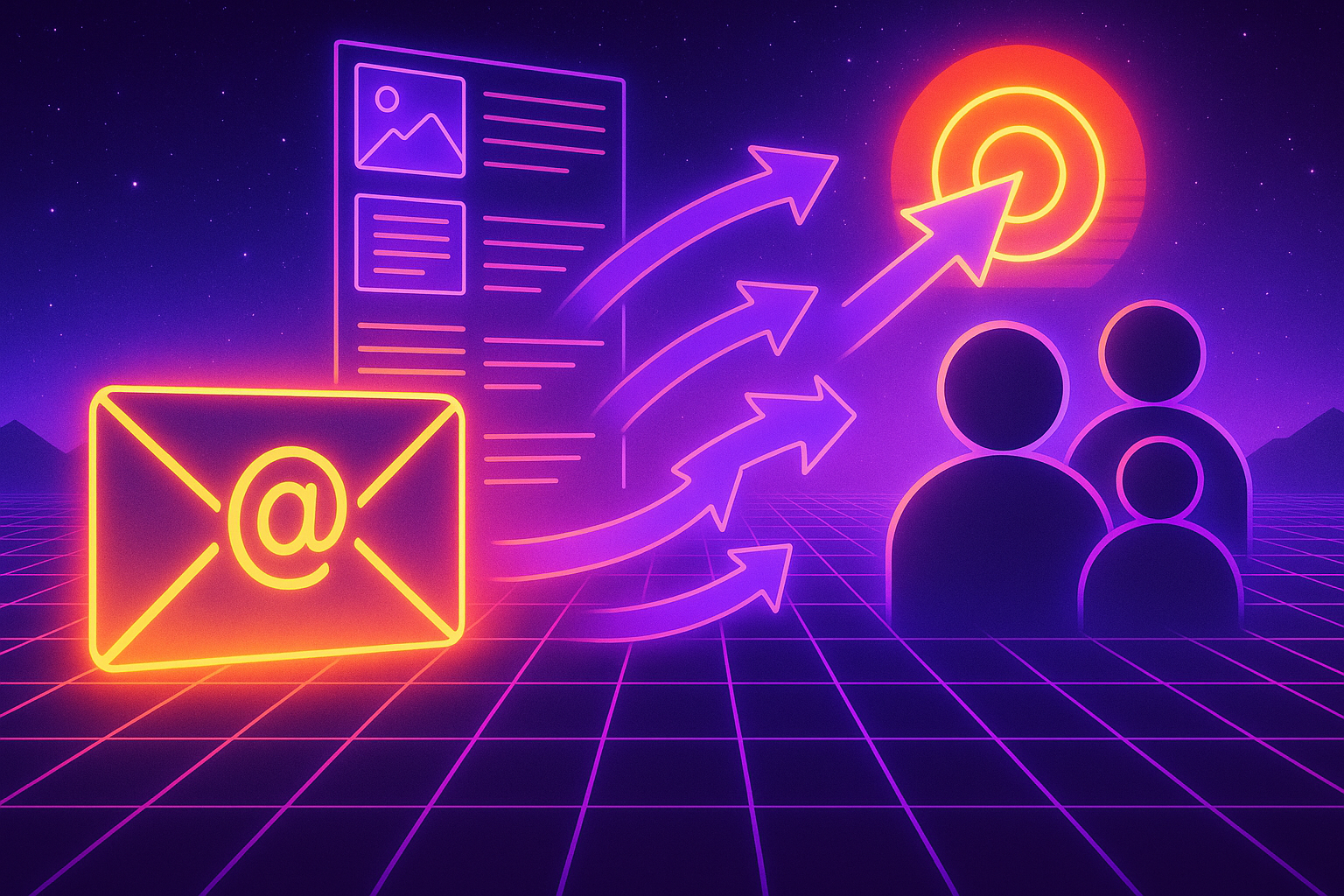
Discover how to craft effective email nurture sequences that engage and convert high intent leads. Learn the essentials of timing, content, and personalization to maximize your conversion rates. Dive into strategies that foster lasting relationships and drive success.
📑 Table of Contents
- Understanding High Intent Leads in EmailMarketing
- Designing Effective Email Nurture Sequences
- Segment Your Audience
- Content Tailoring
- Timing and Frequency
- Writing Compelling Email Copy
- Subject Lines That Capture Attention
- Clear and Concise Body Content
- Leveraging Advanced Email Features
- Automation for Timeliness and Relevance
- Personalization at Scale
- Measuring Success and Optimizing Performance
- Key Performance Indicators (KPIs)
- A/B Testing for Continuous Improvement
- Practical Takeaways for High Conversion Email Nurture Sequences
Understanding High Intent Leads in Email Marketing
High intent leads are potential customers who have demonstrated a strong likelihood of making a purchase or engaging deeply with a brand. In email marketing, these leads typically exhibit behaviors such as visiting a pricing page, filling out a contact form, or downloading premium content. Recognizing these behaviors is crucial for tailoring effective nurture sequences that guide them closer to a purchase.
Designing Effective Email Nurture Sequences
An email nurture sequence is a series of emails designed to develop relationships with leads at every stage of the sales funnel. For high intent leads, the sequence should be particularly focused and persuasive, guiding the lead from consideration to decision stage efficiently.
Segment Your Audience
Segmentation is the first step in crafting an effective nurture sequence. High intent leads should be segmented based on specific behaviors or engagement levels. For example, leads that downloaded a buying guide may receive different content than those who signed up for a free trial. Learn more at constant-contact.com email marketing
Content Tailoring
Each email in the sequence must resonate with the stage of the buyer's journey. Start with educational content that addresses potential questions or concerns about your product or service. Progress towards more conversion-focused content such as testimonials, case studies, and product demos as the sequence develops.
Timing and Frequency
The timing and frequency of emails are pivotal. For high intent leads, a more accelerated sequence might be appropriate. Consider sending the first email immediately after the lead's action, followed by gradual increments depending on their interactions with each email.
Writing Compelling Email Copy
Effective email copy is clear, persuasive, and directly aligned with the lead's needs and interests. Use a tone that matches your brand but also appeals to the lead's stage in the buying process.
Subject Lines That Capture Attention
The subject line is often the deciding factor in whether an email is opened. Use direct, action-oriented language that conveys the value of what’s inside the email. Personalization, such as including the lead’s name or specific details about their last interaction, can increase open rates.
Clear and Concise Body Content
The body of your emails should be concise and to the point, with a clear value proposition. Break down complex ideas into digestible chunks and use bullet points or short paragraphs to keep the reader engaged. Always include a single, clear call to action (CTA) that guides the lead to the next step.
Leveraging Advanced Email Features
Modern email marketing tools offer features that can significantly enhance the effectiveness of your nurture sequences. Automation, personalization, and dynamic content are just a few of these powerful tools.
Automation for Timeliness and Relevance
Use automation to send emails at optimal times based on lead behavior and interaction patterns. Automated triggers ensure that your emails respond immediately to lead activities, such as downloading content or visiting specific pages, which keeps your brand top-of-mind.
Personalization at Scale
Personalization goes beyond using the lead’s name. Tailor content based on the data you’ve collected about their behaviors and preferences. Dynamic content that changes based on the lead’s past interactions can make each email feel specially crafted for them.
Measuring Success and Optimizing Performance
To continually improve the effectiveness of your email nurture sequences, it’s essential to measure performance and make data-driven adjustments.
Key Performance Indicators (KPIs)
Key metrics to monitor include open rates, click-through rates, conversion rates, and overall ROI of the email sequence. These metrics provide insights into how well your emails are performing and where there might be room for improvement.
A/B Testing for Continuous Improvement
A/B testing can be a powerful tool to optimize your email sequences. Test different subject lines, email content, layouts, and CTAs to see what resonates best with your audience. Use the insights gained from these tests to refine your approach continuously.
Practical Takeaways for High Conversion Email Nurture Sequences
Creating an effective email nurture sequence for high intent leads involves understanding the unique needs and behaviors of this group, crafting compelling and personalized content, and leveraging the right tools to automate and optimize communications. By focusing on these strategic elements, you can build a sequence that not only nurtures leads but also drives them towards making a purchase. Remember, the key to success in email marketing lies in constant testing, measuring, and refining your strategies to align with your audience's evolving needs and preferences.
Frequently Asked Questions
What is an email nurture sequence?
An email nurture sequence is a series of emails systematically sent to leads to build relationships and guide them through the sales funnel. These sequences are designed to educate, inform, and engage potential customers, gradually nurturing them from initial interest to the decision-making stage, ideally leading to a conversion.
How often should emails be sent in a nurture sequence to high-intent leads?
The frequency of emails in a nurture sequence can vary based on the industry, the nature of the product or service, and the behavior of the leads. Typically, starting with a higher frequency such as once a week and gradually tapering off based on lead engagement and feedback is effective. It's crucial to monitor open and click-through rates to adjust the frequency for optimal engagement without overwhelming the recipients.
What types of content are most effective in email nurture sequences for converting leads?
Effective content for email nurture sequences includes educational articles, case studies, testimonials, product demos, and personalized offers. The key is to provide value that aligns with the lead's stage in the buying journey. For high-intent leads, detailed case studies and personalized product demonstrations can be particularly effective in addressing specific needs and concerns, thereby facilitating the decision-making process.
How can you measure the success of an email nurture sequence?
The success of an email nurture sequence can be measured through several key performance indicators (KPIs) such as open rates, click-through rates, conversion rates, and ultimately, the ROI of the campaign. Additionally, tracking engagement patterns such as the frequency of interaction and the progression through the sales funnel can provide insights into the effectiveness of the sequence and areas for improvement.
Sources and References
- The State of Marketing Report 2023 - HubSpot - This comprehensive report by HubSpot provides in-depth analysis and data on the latest trends in email marketing, including segmentation and nurture strategies. It supports the article's discussion on designing effective email nurture sequences and segmenting audiences to target high intent leads.
- How to Tailor Content to Your Buyers' Interests - Content Marketing Institute - This article offers practical advice on tailoring content in email campaigns, which is crucial for engaging high intent leads as discussed in the main section of the article on content tailoring.
- The Art of Email Marketing today - Forrester - Forrester's research provides insights into the effectiveness of different email marketing strategies, including timing and frequency, which supports the article's section on optimizing these elements for high conversion rates.
- Understanding User Intent in Email Marketing through Machine Learning - arXiv - This research paper explores the use of AI and machine learning in identifying high intent leads from email interactions, directly supporting the article's discussion on the integration of AI in email marketing strategies.
- State of the Connected Customer - Salesforce - Salesforce's report offers data-driven insights into customer expectations and behaviors, which helps in understanding high intent leads as discussed in the article. This source is pivotal for backing claims on customer segmentation and personalized email sequence design.
- Crafting Effective Email Campaigns - Harvard Business Review - This HBR article provides expert analysis and case studies on successful email campaigns, which enriches the article's recommendations on designing email nurture sequences that convert.