Boost Your Sales: Implementing an Effective B2B Lead Scoring System
Understanding the Need for a B2B Lead Scoring System Lead scoring is a systematic approach to ranking prospects against a scale that represents the perceived...

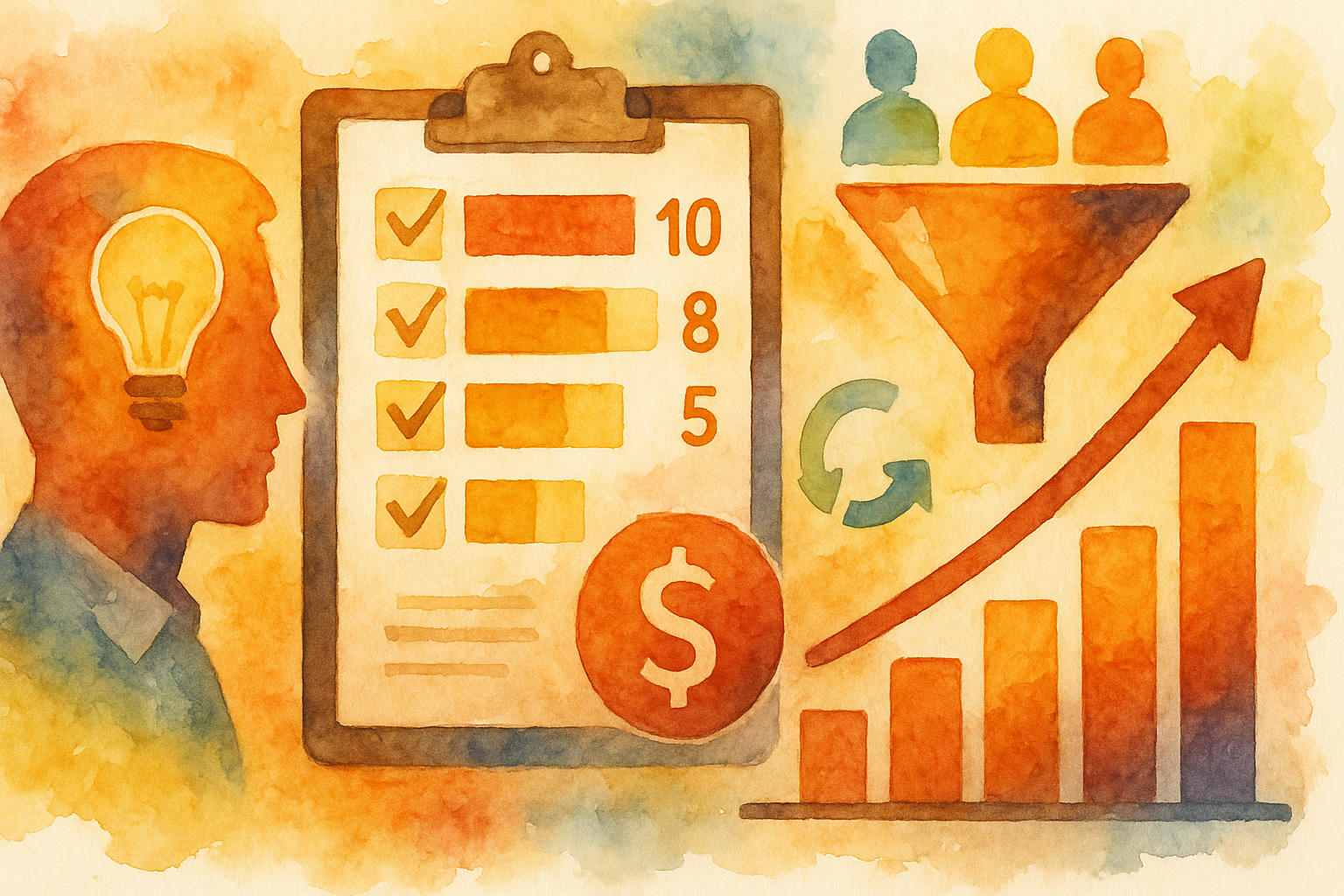
Discover how to enhance your B2B sales with an effective lead scoring system. This article guides you through setting criteria, integrating tech tools, and aligning sales with marketing to prioritize and convert your most promising prospects efficiently.
📑 Table of Contents
- Understanding the Need for a B2B Lead Scoring System
- Setting Up the Foundations of Your Lead Scoring Model
- Aligning with Business Goals
- Gathering and Analyzing Data
- Developing Scoring Criteria
- Demographic Scoring
- Behavioral Scoring
- Setting Up the Scoring System
- Selecting the Right Tools
- Integration with Marketing and Sales Platforms
- Testing and Refining Your Model
- Running a Pilot Program
- Continuous Refinement
- Training Your Team
- Marketing Team
- Sales Team
- Measuring Success and ROI
- Tracking Conversion Rates
- Analyzing Return on Investment
Understanding the Need for a B2B Lead Scoring System
Lead scoring is a systematic approach to ranking prospects against a scale that represents the perceived value each lead represents to the organization. In B2B contexts, this method enables marketing and sales teams to prioritize leads, respond to them appropriately, and increase the rate of conversions. Implementing a lead scoring system helps ensure that teams are not just chasing leads, but are chasing the right leads.
Setting Up the Foundations of Your Lead Scoring Model
Before diving into the specifics of lead scoring, it's essential to establish a clear foundation based on your business objectives and customer data.
Aligning with Business Goals
Start by aligning the lead scoring system with your overall business goals. Whether it's increasing revenue, market share, or customer loyalty, ensure that your lead scoring objectives support these goals directly.
Gathering and Analyzing Data
Effective lead scoring relies heavily on data. Gather historical data on your leads and analyze their journeys and behaviors. Look at which actions typically lead to a sale, such as downloading a white paper, attending a webinar, or requesting a demo. This data forms the backbone of your scoring criteria.
Developing Scoring Criteria
The next step is to establish the criteria you will use to score leads. These criteria can be divided into two main categories: demographic information and behavioral data.
Demographic Scoring
Demographic information includes details about the lead's company size, industry, job role, and geographic location. Assign scores based on how well these attributes match your ideal customer profile. For example, a decision-maker in a large enterprise might score higher than a junior staff member in a small business.
Behavioral Scoring
Behavioral data reflects how engaged the lead is with your company. Assign points for various actions like website visits, content downloads, and email interactions. More engaged leads should receive higher scores, indicating a higher likelihood of conversion.
Setting Up the Scoring System
Once you have your criteria set, you need to decide how to implement them into a scoring system. This typically involves choosing a software solution that integrates with your existing CRM and marketing automation tools.
Selecting the Right Tools
Opt for tools that allow for flexibility in scoring and can grow with your business. Ensure the software can handle the complexity of your scoring model and provides insights into lead behaviors.
Integration with Marketing and Sales Platforms
Seamless integration with your CRM and marketing platforms is crucial. It ensures that scores are updated in real-time and visible to both marketing and sales teams, facilitating better alignment and quicker reactions to high-scoring leads.
Testing and Refining Your Model
With your lead scoring model in place, it’s important to test and refine it to ensure it effectively identifies high-quality leads.
Running a Pilot Program
Initiate a pilot program with a control group of leads to test the accuracy of your scoring model. Monitor how scores correlate with actual sales conversions and make adjustments as needed.
Continuous Refinement
Lead scoring is not a set-and-forget system. Regularly revisit your scoring criteria and model to refine and adjust as your market, product, or typical customer behaviors change.
Training Your Team
For a lead scoring system to be successful, both your marketing and sales teams need to understand and adopt it.
Marketing Team
Ensure your marketing team knows how to nurture leads based on their scores. They should tailor communications according to lead score to warm up leads effectively before passing them to sales.
Sales Team
Sales teams should be trained on how to interpret lead scores and prioritize their follow-ups accordingly. High-scoring leads should be treated with a more direct and urgent sales approach.
Measuring Success and ROI
The ultimate test of your lead scoring system's effectiveness is its impact on your bottom line and how well it meets your initial business objectives.
Tracking Conversion Rates
Monitor how lead scoring impacts conversion rates over time. An effective lead scoring system should increase the percentage of leads that turn into paying customers.
Analyzing Return on Investment
Evaluate the return on investment by comparing the revenue generated from scored leads against the costs of implementing and maintaining the lead scoring system. This analysis will help you justify the continued use of lead scoring in your marketing and sales strategies. Implementing a lead scoring system in a B2B environment is a dynamic and ongoing process that requires commitment, adaptation, and continuous improvement. By focusing on these fundamental steps and strategies, organizations can better prioritize their leads, tailor their marketing efforts, and ultimately, drive more sales.
Frequently Asked Questions
What is lead scoring in a B2B context?
Lead scoring in a B2B context involves assigning numerical values to potential customers based on their perceived value and likelihood to purchase. This system helps sales teams prioritize leads that are more likely to convert into customers, ensuring more efficient use of resources and higher conversion rates. Factors typically considered in lead scoring include company size, industry, interaction with marketing materials, and engagement level.
How do you set up a lead scoring system?
Setting up a lead scoring system involves several key steps: defining your ideal customer profile, identifying lead criteria and assigning scores to those criteria, integrating scoring with your CRM system, and continuously refining the system based on feedback and data analysis. Collaboration between your sales and marketing teams is crucial to accurately define scoring parameters and ensure the system effectively identifies high-quality leads.
What are the benefits of implementing a lead scoring system?
Implementing a lead scoring system offers multiple benefits, including increased efficiency by focusing on leads most likely to convert, improved sales and marketing alignment through shared criteria for lead qualification, enhanced ability to measure marketing effectiveness, and overall higher sales conversion rates. It also helps in better segmentation of leads for tailored marketing strategies.
Can lead scoring systems adapt to changes in business strategy?
Yes, lead scoring systems are designed to be flexible and should be regularly updated to reflect changes in business strategy, market conditions, and customer behavior. Regular reviews and adjustments are essential to maintain the effectiveness of the scoring system. This adaptability ensures that the scoring system remains aligned with the company's current goals and continues to effectively prioritize leads.
Sources and References
- The B2B Revenue Waterfall - Forrester - This report from Forrester explores the evolution of lead scoring systems in B2B environments, emphasizing the importance of aligning scoring models with business goals to enhance sales effectiveness. It provides a foundational context for understanding why a B2B lead scoring system is critical for modern sales strategies.
- Marketing Statistics - HubSpot - This collection of marketing statistics includes data on lead scoring efficiency and its impact on conversion rates. It supports the article's discussion on the importance of gathering and analyzing data to develop effective scoring criteria that directly contribute to increased sales productivity.
- Advanced Techniques in AI for Lead Scoring - ArXiv.org - This academic paper discusses the application of advanced AI techniques in the development of lead scoring models. It provides a deep dive into how AI can be leveraged to refine scoring criteria, making it highly relevant to the article's focus on using AI in lead scoring systems.
- Effective Lead Scoring Tips - Salesforce - Salesforce offers practical tips and best practices on setting up a lead scoring model. This source is particularly useful for the section of the article that discusses setting up the foundations of your lead scoring model, providing real-world applications and expert advice.
- How B2B Digital Leaders Drive Revenue Growth - McKinsey & Company - McKinsey's analysis on how digital strategies, including lead scoring, drive revenue growth in B2B companies supports the article's argument on the direct correlation between sophisticated lead scoring systems and business success.
- What B2B Sales Teams Need to Know About Digital Customers - Harvard Business Review - This article from HBR offers insights into the changing dynamics of B2B sales and the increasing importance of digital tools like lead scoring systems. It provides a broader business context that enriches the discussion on aligning lead scoring with business goals.
- Machine Learning in B2B Sales - Google Research - Google's research into the use of machine learning in B2B sales environments provides empirical evidence supporting the use of AI in developing and refining lead scoring models, directly aligning with the article's emphasis on AI and data analysis.