Boost Your Sales: Audit Your Content Funnel for Conversion Gaps
Auditing your content funnel for conversion gaps is a crucial step in optimizing your digital marketing strategy. By identifying and addressing these gaps, you...

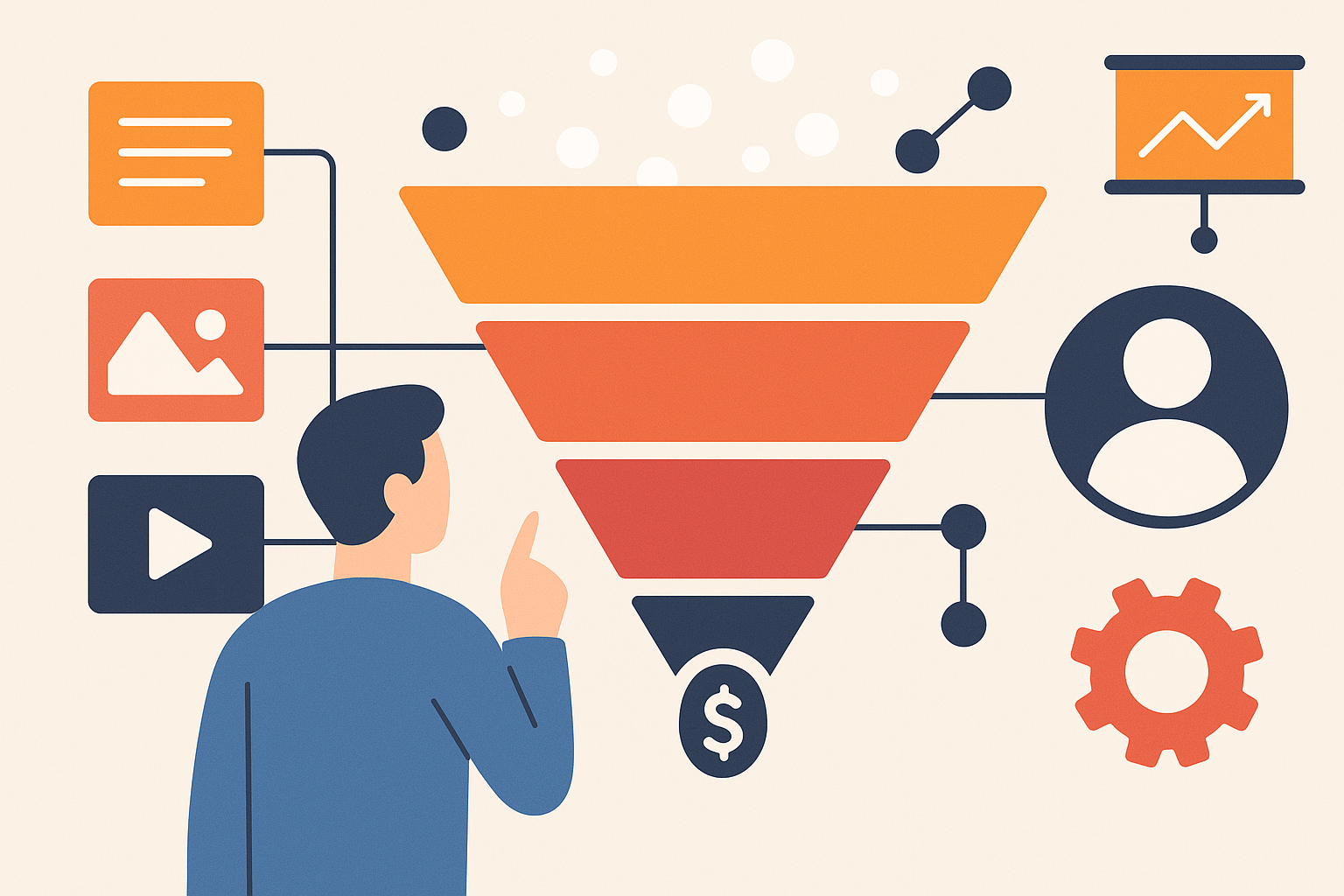
Auditing your content funnel for conversion gaps is a crucial step in optimizing your digital marketing strategy. By identifying and addressing these gaps, you can enhance the effectiveness of your content, improve user engagement, and ultimately increase your conversion rates. This tutorial guides you through a systematic process of auditing your content funnel, offering practical, actionable advice tailored for marketing professionals. ### Identify Your Conversion Goals Before diving into the audit, it's essential to clearly define what a "conversion" means for your organization. Conversions might range from signing up for a newsletter, downloading a white paper, to making a purchase. Understanding these goals helps direct your audit's focus and ensures that the content aligns with your business objectives. ### Map Out Your Content Funnel Create a detailed map of your content funnel, outlining every touchpoint or content piece from the top of the funnel (awareness stage) to the bottom (decision stage). This map should include all forms of content: blog posts, social media updates, emails, webinars, and more. By visualizing the journey, you can easily spot areas where prospects might disengage. ### Analyze Content at Each Stage of the Funnel #### Top of the Funnel (Awareness) Here, your content should focus on educating your audience and solving basic problems related to your industry. Analyze whether your content: - Attracts enough traffic. - Addresses the questions and needs of your target audience. - Successfully leads visitors to the next stage of the funnel. Metrics to consider include page views, bounce rate, and time on page. #### Middle of the Funnel (Consideration) Content in this stage should deepen the user's engagement by offering more detailed information and solutions. Evaluate if your content: - Provides comprehensive insights that build on initial awareness. - Engages users enough to move them closer to a decision. - Includes clear calls-to-action that guide them to the next step. Key metrics here might be content downloads, webinar sign-ups, and email subscription rates. #### Bottom of the Funnel (Decision) This stage requires content that persuades users to convert. Check if your content: - Effectively communicates the value of your product or service. - Addresses common objections and questions. - Includes persuasive calls-to-action like free trials, consultations, or purchasing links. Conversion rates and sales metrics are critical at this stage. ### Evaluate the Integration and Flow Between Stages Assess how well your content pieces connect with each other. Is there a logical progression that guides users seamlessly from one stage to the next? Look for drop-offs in engagement or stages where users exit the funnel prematurely. Tools like Google Analytics can help track the path users take through your funnel. ### Gather and Analyze User Feedback Collect qualitative data through surveys, user testing, and feedback forms to understand why certain content pieces do not convert. Direct feedback from users can provide insights into what they find valuable or lacking in your content. ### Implement A/B Testing Conduct A/B testing on various elements of your content to determine what works best. Test different headlines, calls-to-action, images, and content formats to see which versions yield higher engagement and conversion rates. Continuous testing is crucial for optimizing your content funnel effectively. ### Optimize Based on Data-Driven Insights Use the data collected from your analysis and A/B testing to make informed decisions about how to improve your content. This might involve: - Rewriting or updating poorly performing content. - Enhancing the transition between funnel stages. - Increasing personalization to boost engagement. ### Monitor and Adjust Regularly Content funnel optimization is not a one-time task. Regular monitoring and adjusting are essential to stay aligned with changing user preferences and market conditions. Set up a schedule for periodic audits and updates to your content strategy. ### Addressing Common Obstacles #### Lack of Resources Small teams or limited budgets might restrict the extent of content creation and optimization. Focus on quality over quantity, and consider leveraging user-generated content or automating certain content processes. #### Changing User Behavior User preferences and behaviors can evolve, making once-effective strategies obsolete. Stay updated with industry trends and continuously gather user feedback to adapt your strategies accordingly. #### Measuring ROI Quantifying the return on investment (ROI) for content can be challenging. Set clear KPIs and use analytics tools to track these metrics over time, ensuring that your content efforts align with business goals. ### Conclusion By thoroughly auditing your content funnel for conversion gaps, you equip your business with the knowledge to make impactful improvements. This continuous cycle of analysis, testing, and optimization helps maintain a robust, effective content strategy that drives conversions and supports business growth. Remember, the key to a successful content funnel audit is not just in identifying gaps but in implementing strategic changes based on those insights.
Frequently Asked Questions
What is a content funnel?
A content funnel refers to the strategic arrangement of content to guide potential customers through different stages of engagement, from initial awareness to the final decision to purchase or convert. Each stage of the funnel serves to nurture the user's interest and commitment to the offering.
How can I identify conversion gaps in my content funnel?
To identify conversion gaps in your content funnel, analyze each stage for drop-offs or decreased engagement. Look at metrics such as page views, time on page, click-through rates, and conversion rates. Identifying stages with significant drop-offs or lower engagement can highlight where the content is not effectively moving users to the next stage.
What strategies can be used to optimize a content funnel for better conversion?
To optimize a content funnel, ensure that the content at each stage is aligned with the user's expectations and needs. This can be achieved by personalizing content, using strong calls-to-action, improving content quality, and ensuring a seamless user experience. Regular testing and feedback collection are also crucial to continually refine and improve the funnel's effectiveness.
Why is it important to audit your content funnel regularly?
Regular audits of your content funnel are important because user behavior, market trends, and technological advancements can change over time. Regularly auditing your funnel helps ensure that your content remains relevant, effective, and aligned with your target audience's needs and preferences, thereby maximizing conversion rates.
Sources and References
- How to Build a Content Marketing Funnel that Converts - This source from the Content Marketing Institute provides a detailed framework for creating a content marketing funnel that effectively leads to conversions. It supports the article by offering insights into the strategic placement of content at various stages of the funnel to optimize user engagement and conversion rates.
- How to Map Your Customers' Journeys - Published by Harvard Business Review, this article explains the importance of understanding customer interactions at each stage of the buying process. It complements the discussion on identifying conversion gaps in content funnels by emphasizing the user's perspective and behavior analysis.
- The Forrester Wave: Lead-To-Revenue Management Platform Vendors - Forrester's report provides an evaluation of top platforms that assist in managing and optimizing the lead-to-revenue process. This source is crucial for understanding how integrating advanced platforms can help in identifying and addressing conversion gaps within content funnels.
- Artificial Intelligence and Machine Learning in Dynamic Content Optimization - This academic paper from arXiv discusses the application of AI and machine learning in optimizing content for better user engagement and conversion. It supports the article's section on using AI tools for analyzing and enhancing content effectiveness at different funnel stages.
- Google's Webmaster Guidelines - Google's official documentation provides best practices for creating and managing content that performs well in search engines. This is essential for understanding how SEO considerations play a crucial role in content funnel optimization to prevent conversion gaps.
- Content Marketing Strategy - Salesforce offers a comprehensive guide on developing a content marketing strategy that aligns with business goals, including maximizing conversions. This source is valuable for its strategic insights into planning content that effectively moves users through different stages of the conversion funnel.