Boost Your SaaS Growth with Top Lifecycle Marketing Automations
Understanding Lifecycle Marketing Automation for SaaS Growth Lifecycle marketing automation is a strategy that involves engaging with customers at various...

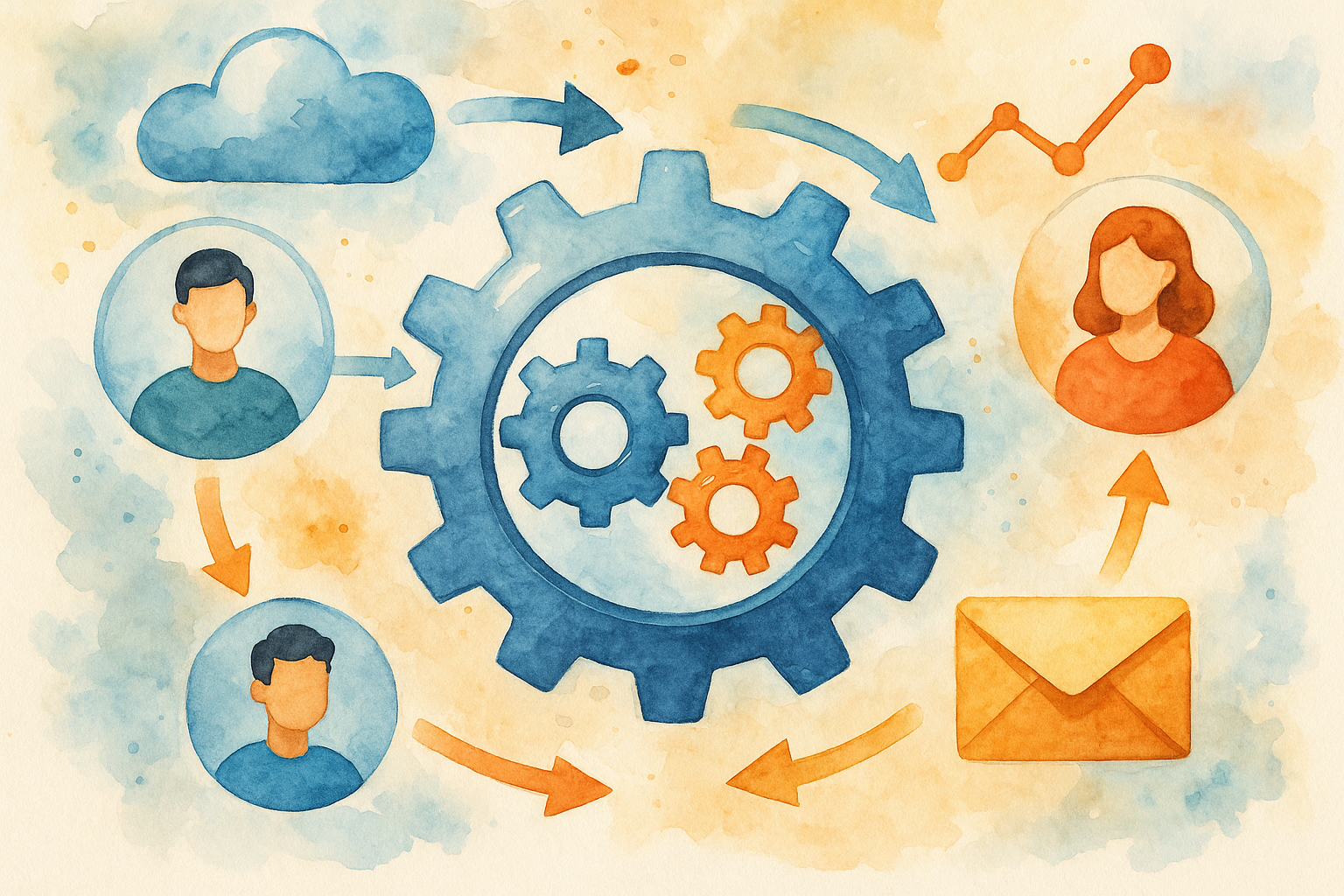
Discover the top lifecycle marketing automations crucial for SaaS growth. Learn how to effectively engage users, boost retention, and increase revenue through tailored strategies that nurture customer relationships at every stage.
📑 Table of Contents
- Understanding Lifecycle MarketingAutomationfor SaaS Growth
- Key Stages of SaaS Customer Lifecycle
- Automating the Awareness Stage: Lead Capture and Nurturing
- Enhancing Consideration Through Targeted Email Campaigns
- Streamlining Acquisition With Automated Onboarding
- Retention Strategies Leveraging Automation
- Driving Expansion Through Automated Cross-Selling and Upselling
- Encouraging Advocacy With Automated Referral Programs
- Key Takeaway: Implementing Effective SaaS Lifecycle Marketing Automations
Understanding Lifecycle Marketing Automation for SaaS Growth
Lifecycle marketing automation is a strategy that involves engaging with customers at various stages of their journey with a service or product, tailored specifically for SaaS (Software as a Service) businesses. This approach helps in nurturing leads, increasing customer retention, and maximizing revenue. The goal is to deliver the right message to the right person at the right time, using automated systems to scale these efforts efficiently.
Key Stages of SaaS Customer Lifecycle
Before diving into the specifics of automation, it's crucial to understand the typical customer lifecycle stages in a SaaS model. These include: - Awareness: Potential customers become aware of your SaaS product as a solution to their problems. - Consideration: Prospects evaluate your product amongst competitors. - Acquisition: Customers sign up for your service. - Retention: Customers continue to use the service, and their satisfaction is maintained. - Expansion: Opportunities to upsell or cross-sell are identified and acted upon. - Advocacy: Satisfied customers recommend your product to others.
Automating the Awareness Stage: Lead Capture and Nurturing
At the awareness stage, your primary goal is to capture leads. Automation tools can help streamline this process by integrating with your digital marketing channels to collect information and initiate communication. - Lead Capture Forms: Use automated tools to create dynamic forms that adapt based on the source of traffic or user behavior. - Email Drip Campaigns: Set up automated email sequences that provide valuable content to nurture leads gradually. These emails should educate the prospect about your product and how it addresses their specific needs.
Enhancing Consideration Through Targeted Email Campaigns
During the consideration phase, personalized email campaigns play a crucial role. Automation can help segment your audience based on their behavior and preferences, allowing for more targeted messaging. - Behavioral Triggers: Implement automation to send emails based on specific actions taken on your website, like visiting a pricing page or spending time on a feature comparison chart. - A/B Testing: Continuously test different aspects of your emails, from subject lines to content. Automation tools can help manage these tests and scale the successful tactics.
Streamlining Acquisition With Automated Onboarding
Once a prospect decides to sign up, the onboarding process is critical. Automated workflows can ensure that this stage is as smooth as possible, increasing the likelihood of a successful transition from a free trial to a paid plan. - Welcome Emails: Automatically send a series of introductory emails that guide new users through the key features of your product. - Progress Tracking: Use automation to monitor user engagement during the trial period and trigger specific actions, like personal outreach if a user hasn’t logged in for several days.
Retention Strategies Leveraging Automation
Retention is vital in the SaaS business where customer lifetime value is a critical metric. Automated communication campaigns can help keep your customers engaged and satisfied. - Feedback Surveys: Deploy automated surveys after certain interaction points to gather insights that can guide product improvements. - Renewal Reminders: Use automation to send renewal reminders before a subscription expires, along with personalized offers based on user activity and preferences.
Driving Expansion Through Automated Cross-Selling and Upselling
Expansion is an opportunity to increase revenue from existing customers. Automations that analyze user behavior and usage patterns can identify when a customer might be ready for an upgrade or additional services. - Usage Alerts: Set up alerts that inform users when they are nearing capacity on their current plan and might benefit from an upgrade. - Personalized Offers: Automate the delivery of personalized offers based on user actions, such as using a particular feature extensively.
Encouraging Advocacy With Automated Referral Programs
Advocacy can be a powerful growth lever for SaaS companies. Automated referral programs can incentivize existing customers to bring in new users. - Referral Tracking: Automate the tracking of referrals and attribution of rewards. - Automated Thank You Messages: Send automated messages to thank users for referrals and provide them with status updates on their rewards.
Key Takeaway: Implementing Effective SaaS Lifecycle Marketing Automations
Lifecycle marketing automation is not just about implementing technology but about creating a strategy that aligns with the customer journey and business goals. By setting up thoughtful automations at each stage of the SaaS customer lifecycle, companies can improve their customer relationships, optimize their marketing efforts, and ultimately drive growth. It’s essential to continuously analyze the effectiveness of these automations and refine them based on data-driven insights to ensure they remain relevant and impactful.
Frequently Asked Questions
What are lifecycle marketing automations in the context of SaaS?
Lifecycle marketing automation refers to the strategic application of automated marketing actions that guide customers along their journey with a SaaS product. From onboarding and engagement to retention and upselling, these automations are designed to deliver the right message at the right time based on the customer's stage in the lifecycle. This approach aims to enhance user experience, increase retention rates, and maximize customer lifetime value.
How can automation enhance customer retention for SaaS companies?
Automation can significantly enhance customer retention by ensuring consistent and personalized communication with users. Automated emails or in-app messages can be triggered based on specific user actions or inactivity, providing timely interventions that encourage continued engagement. Features such as automated renewal reminders, usage tips, and feedback requests help maintain a strong relationship with the customer, thereby reducing churn and fostering loyalty.
What are some key automated workflows that drive SaaS growth?
Key automated workflows that drive SaaS growth include onboarding sequences, trial expiration notices, feature adoption campaigns, renewal reminders, and customer satisfaction surveys. Each of these workflows targets specific points in the customer lifecycle to optimize the user experience and encourage actions that lead to growth, such as upgrades or referrals. Implementing these automations ensures that no opportunity for engagement or conversion is missed.
Sources and References
- The Forrester Wave: Lifecycle Marketing Automation Suites, Q4 2020 - This Forrester report evaluates top lifecycle marketing automation platforms, focusing on their utility for SaaS businesses. It provides insights into how these platforms can enhance customer engagement from awareness to retention, directly supporting the article's discussion on automating various stages of the SaaS customer lifecycle.
- Machine Learning in Automated Text Categorization - A comprehensive study by Google Research that discusses the application of AI and machine learning in automating content categorization. This source supports the article's section on using AI-driven tools for lead capture and nurturing by detailing the underlying technology that makes these automations possible.
- The Era of Anticipatory Customer Service - Harvard Business Review article that explores how businesses can anticipate customer needs through automated systems. It aligns with the article’s theme on enhancing consideration and acquisition stages in SaaS marketing, providing a strategic viewpoint on improving customer experience through automation.
- State of the Connected Customer - Salesforce research report that offers data on customer expectations and behaviors in the digital age. This source is pertinent to the discussion on streamlining acquisition with automated onboarding, as it provides evidence on how automation and personalization influence customer decisions and satisfaction.
- Overview of Customer Lifecycle Management - An academic paper hosted on arXiv that provides a detailed overview of customer lifecycle management, with specific references to automation and its impact on customer retention and growth in SaaS businesses. This supports the article’s coverage of key stages in the SaaS customer lifecycle and the role of automation at each stage.
- Content Technologies Every Marketer Needs - An article from the Content Marketing Institute discussing essential technologies for effective content marketing, including automation tools. This is relevant to the article's section on automating the awareness stage, offering practical advice on tools and strategies for lead nurturing and engagement.