Boost Your B2B Sales with an Effective Webinar Strategy
Understanding the Role of B2B Webinars in Lead Generation Webinars are a powerful tool in the B2B marketing arsenal, offering a unique opportunity to connect...

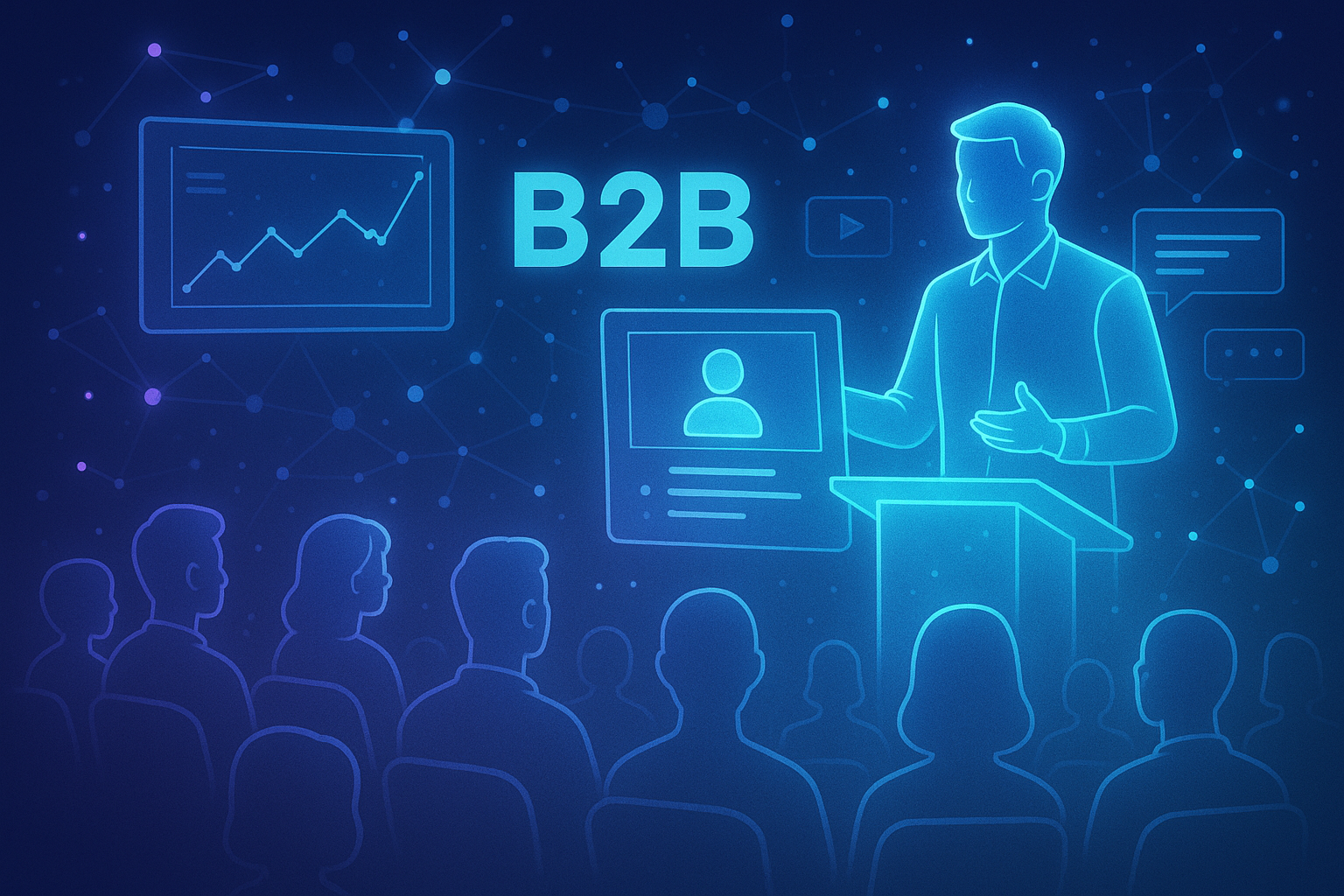
Discover how to craft an effective B2B webinar strategy to boost lead generation. This article explores choosing topics, engaging formats, and follow-up practices that convert attendees into qualified leads. Learn to leverage webinars for sustained business growth.
📑 Table of Contents
- Understanding the Role of B2B Webinars in Lead Generation
- Identifying Your Target Audience and Their Needs
- Creating Buyer Personas
- Choosing the Right Topics and Formats
- Interactive and Engaging Formats
- Utilizing the Right Technology and Tools
- Pre-Webinar Testing
- Effective Promotion of Your Webinar
- Leveraging Email Campaigns
- Converting Attendees into Qualified Leads
- Follow-Up Strategies
- Measuring the Success of Your Webinar
- Long-Term Impact Analysis
- Practical Takeaways for Sustained Success
Understanding the Role of B2B Webinars in Lead Generation
Webinars are a powerful tool in the B2B marketing arsenal, offering a unique opportunity to connect directly with potential clients in an educational format. Unlike other marketing strategies, webinars allow real-time interaction and engagement, providing a platform for sharing detailed insights about products, services, and industry trends. They serve not only as a lead generation tool but also help in establishing thought leadership and credibility in your industry.
Identifying Your Target Audience and Their Needs
Before launching a webinar, it's crucial to identify who your target audience is and what their specific needs are. Understanding your audience helps in tailoring the content to meet their interests and challenges, making the webinar more relevant and engaging. Segment your audience based on factors like industry, job role, and where they stand in the buyer's journey. This segmentation will guide the choice of topics, speakers, and the overall tone of the webinar.
Creating Buyer Personas
Develop detailed buyer personas that include demographic information, professional challenges, and personal aspirations. These personas will inform not only your webinar’s content but also how you market it.
Choosing the Right Topics and Formats
The effectiveness of your webinar heavily depends on the relevance and appeal of the topics discussed. Choose topics that not only attract attention but also provide real value to your audience. Consider leveraging industry insights, case studies, and technological trends that resonate with your target personas.
Interactive and Engaging Formats
Beyond traditional presentations, consider formats that increase audience participation, such as Q&A sessions, panels, and workshops. These formats can help maintain viewer engagement and make the learning experience more interactive.
Utilizing the Right Technology and Tools
The success of a webinar also hinges on the technology used. Select a reliable platform that supports interactive elements such as polls, chats, and question modules. Ensure the platform can handle the anticipated number of participants without any technical glitches. Additionally, choose tools that allow for the recording of sessions, as this will enable you to use the content for further marketing initiatives.
Pre-Webinar Testing
Conduct thorough testing of all technology and tools before the event. Check audio quality, video clarity, and connectivity issues to avoid any disruptions during the webinar.
Effective Promotion of Your Webinar
Promotion is key to ensuring high attendance and maximizing lead generation opportunities. Utilize multiple channels to promote your webinar, including email marketing, social media, and your company website. Tailor your promotional messages to highlight the key benefits and takeaways of the webinar, addressing how it meets the specific needs of your target audience.
Leveraging Email Campaigns
Create a series of emails to send to your prospects, including an initial announcement, a reminder a week before, and a last call a day before the webinar. Each email should provide clear and compelling reasons to attend.
Converting Attendees into Qualified Leads
The primary goal of hosting a webinar is to convert attendees into leads. To achieve this, incorporate strategic touchpoints throughout the webinar to encourage further interaction. Offer exclusive content, free trials, or consultation services to attendees as a follow-up. Ensure there is a clear call to action at the end of the webinar, guiding participants on what steps they should take next.
Follow-Up Strategies
Post-webinar engagement is critical. Send a thank-you email that includes a link to the recording of the webinar and additional resources related to the topic. Use this opportunity to set up more personalized follow-ups based on the participant's engagement level and interest shown during the webinar.
Measuring the Success of Your Webinar
To continuously improve your webinars, it's essential to measure their effectiveness. Track metrics such as attendance rates, engagement during the session (like questions asked and polls answered), and conversion rates. Use this data to refine your approach, identify what topics or formats resonate most with your audience, and improve future webinars.
Long-Term Impact Analysis
Beyond immediate metrics, assess the long-term impact of your webinars on your sales cycle. Analyze how many leads generated from the webinars moved through the sales funnel and how many converted into customers. This will help in understanding the ROI of your webinar efforts and strategizing future content.
Practical Takeaways for Sustained Success
To build and maintain an effective B2B webinar strategy for lead generation, focus on understanding your audience deeply, choosing engaging content, leveraging robust technology, and executing strategic follow-ups. Continuously measure and refine your approach based on performance metrics and feedback. With a dedicated approach, webinars can not only generate leads but also significantly contribute to building lasting relationships with potential clients.
Frequently Asked Questions
How do you identify the right audience for a B2B webinar?
Identifying the right audience for a B2B webinar involves understanding your business's buyer personas, analyzing your existing customer base, and considering the interests and challenges of potential leads. Conduct market research, utilize CRM data, and engage with your sales team to gather insights about the industries, job roles, and companies that could benefit most from your webinar content.
What are the key elements of engaging webinar content?
Engaging webinar content should be informative, relevant, and interactive. It's crucial to address the specific problems or needs of your audience, provide actionable insights, and include compelling case studies or examples. Additionally, incorporating interactive elements such as Q&A sessions, polls, and quizzes can help maintain audience engagement and foster a more interactive learning environment.
How can you measure the success of your B2B webinar?
Measuring the success of a B2B webinar can be done through various metrics such as registration numbers, attendance rates, audience engagement (e.g., questions asked, poll participation), and the quality of leads generated. Additionally, post-webinar surveys can provide insights into attendee satisfaction and content relevance, while follow-up engagement rates can indicate the effectiveness of your nurturing strategies.
What strategies can be used to increase webinar attendance?
To increase webinar attendance, ensure your topic is highly relevant to your target audience and clearly communicate the value and takeaways of the event. Utilize multi-channel marketing strategies including email campaigns, social media, and partnerships. Offering incentives such as exclusive content or product discounts to attendees can also boost registration and participation rates. Lastly, scheduling the webinar at a convenient time for your target audience and sending reminders can significantly improve attendance.
Sources and References
- The B2B Revenue Impact Of Webinars by Forrester - This report provides a comprehensive analysis of how webinars contribute to B2B lead generation and sales conversion rates, supporting the discussion on the role of B2B webinars in lead generation.
- How to Generate Content Ideas That Meet Your Audience Needs by Content Marketing Institute - Offers strategies for identifying and understanding target audience needs in content creation, which aids in the section of the article focusing on identifying target audiences and their requirements.
- Making Your Webinars More Engaging by Harvard Business Review - This article provides insights into creating engaging and interactive webinar formats, directly supporting the article's section on choosing engaging formats for B2B webinars.
- Interactive Webinars and Their Impact on Audience Engagement by Google Research - A study that explores various interactive elements in webinars and their effectiveness in maintaining audience engagement, which is crucial for the section discussing interactive and engaging webinar formats.
- The Ultimate List of Marketing Statistics currently by HubSpot - Provides up-to-date statistics and trends on digital marketing, including webinar effectiveness, which helps substantiate claims about the effectiveness of webinars in B2B lead generation.
- Essential Guide to Developing a Winning Webinar Strategy by Salesforce - This guide offers practical advice on developing a webinar strategy tailored to B2B audiences, supporting the article's sections on creating buyer personas and choosing the right topics.