Boost Your B2B Sales with an Effective Referral Program Strategy
Creating and implementing a Business-to-Business (B2B) referral program can significantly enhance your company's lead generation and sales efforts. By...

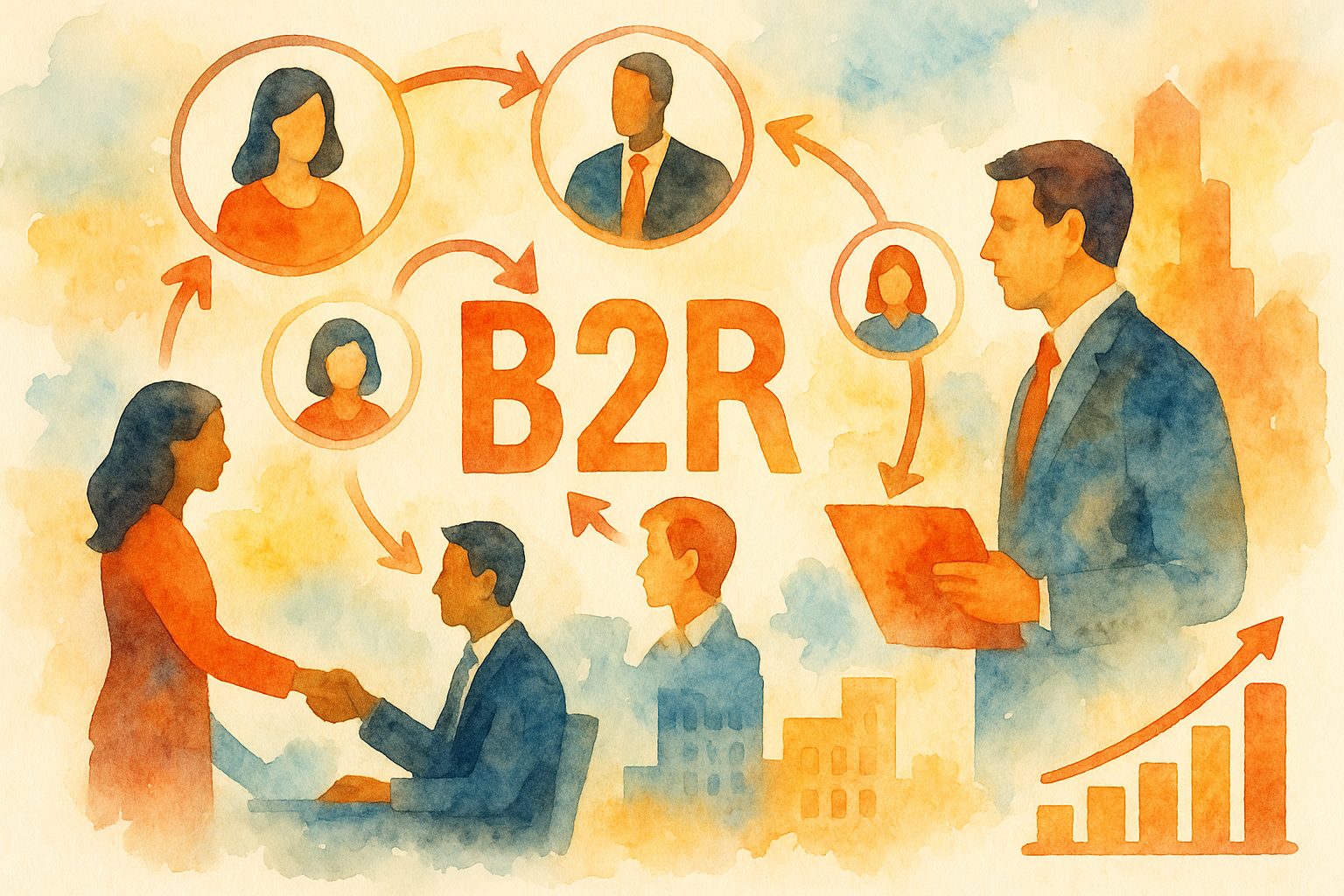
Discover how to boost your B2B sales with a referral program. This guide covers designing an appealing system, strategies for encouraging participation, and tips for seamless implementation. Learn the secrets to harnessing your network's full potential.
📑 Table of Contents
- Understanding the Value of B2B Referral Programs
- Setting Goals and Objectives
- Designing Your Referral Program
- Choosing the Right Incentives
- Structuring the Program for Simplicity
- Integrating Technology
- Promoting Your Referral Program
- Internal Promotion
- External Communication
- Managing and Supporting Participants
- Measuring and Optimizing the Program
- Tracking Key Performance Indicators (KPIs)
- Continuous Improvement
- Common Challenges and Solutions
Creating and implementing a Business-to-Business (B2B) referral program can significantly enhance your company's lead generation and sales efforts. By leveraging the networks of your existing clients and partners, you can tap into a rich vein of potential new clients who come with a stamp of trust and approval. Below, we outline a step-by-step guide on how to establish a referral program that not only attracts new business but also strengthens your existing relationships.
Understanding the Value of B2B Referral Programs
Referral programs are powerful because they harness the power of positive word-of-mouth from satisfied customers or partners. In the B2B context, where sales cycles are longer and decisions are often made by committees rather than individuals, having a direct introduction to a prospective client through a referral can shorten the sales process and increase the likelihood of closing a deal. Studies indicate that referred customers have a 16% higher lifetime value compared to non-referred customers.
Setting Goals and Objectives
Before launching a referral program, it's crucial to define clear goals and objectives. Are you looking to increase overall sales, improve customer retention, or enter new markets? Your goals will shape the structure of your referral program. For instance, if entering new markets is a priority, you might focus on incentivizing referrals from clients in diverse geographic regions or industries.
Designing Your Referral Program
Choosing the Right Incentives
The incentive is a key element of any referral program. In a B2B context, both monetary and non-monetary incentives can work well. Common options include discounts on future purchases, upgrades, or even commission-based rewards. It’s essential to align the incentive with your audience’s values and needs to ensure it's compelling enough to motivate participation.
Structuring the Program for Simplicity
A successful referral program is easy for participants to understand and engage with. Clearly outline how referrals should be made, what qualifies as a successful referral, and how rewards are distributed. Transparency is crucial to building trust and ensuring program participation.
Integrating Technology
Leverage technology to track referrals, manage rewards, and communicate with participants. Many CRM systems include modules specifically for managing referral programs, or you can opt for specialized software that automates most aspects of the program. Ensure that whatever technology you choose integrates seamlessly with your existing systems to maintain data consistency and accuracy.
Promoting Your Referral Program
Internal Promotion
Start by promoting your referral program internally. Ensure every member of your team understands the program's benefits and mechanics. Sales teams, in particular, should know how to explain the program to customers as part of their regular interactions.
External Communication
Use multiple channels to promote your referral program externally. This can include email newsletters, social media updates, and direct communications during service calls or product deliveries. Make sure the messaging highlights the benefits to the referrer, not just the benefits to your company.
Managing and Supporting Participants
Participant support is crucial for the ongoing success of your referral program. Provide clear and accessible information through FAQs, dedicated support lines, or live chat services. Regularly update your participants on their referral status and any program changes. This ongoing communication helps keep the program top of mind for your clients and partners.
Measuring and Optimizing the Program
Tracking Key Performance Indicators (KPIs)
Determine which KPIs will best measure the success of your referral program. Common metrics include the number of new leads generated, conversion rates of referred leads, and overall revenue increases from referred clients. Regularly review these metrics to understand the program’s impact and identify areas for improvement.
Continuous Improvement
Based on the performance data, continuously refine your referral program. This might involve adjusting the incentives, streamlining the referral process, or enhancing participant support. Regular feedback loops with participants can also provide valuable insights that drive program improvements.
Common Challenges and Solutions
Implementing a B2B referral program is not without its challenges. Common issues include low participation rates, tracking difficulties, and misalignment between the program’s offerings and participants' expectations. To overcome these challenges, maintain flexibility in your program design, invest in reliable tracking technology, and regularly engage with participants to ensure the program meets their needs and expectations. By following this comprehensive guide, you can create a B2B referral program that not only drives your business growth but also fosters stronger relationships with your clients and partners. Remember, the key to success lies in clear goals, compelling incentives, robust technology support, and continuous optimization based on performance data and participant feedback.
Frequently Asked Questions
What are the essential components of a successful B2B referral program?
A successful B2B referral program should include clear objectives, a simple participation process, compelling incentives for referrers, effective tracking mechanisms, and ongoing communication strategies to engage participants. Transparency in how referrals are handled and rewarded, along with regular updates on program progress, are also crucial to maintain trust and participation.
How can I motivate clients to participate in our referral program?
Motivating clients to participate in a referral program can be achieved by offering valuable incentives that align with their business needs, such as discounts, service upgrades, or other relevant rewards. Additionally, making the referral process as easy as possible, providing excellent service that clients can confidently endorse, and regularly recognizing and thanking referrers can significantly enhance participation rates.
What metrics should I track to measure the success of a B2B referral program?
Key metrics to track include the number of new leads generated through referrals, conversion rates of referred leads, overall sales attributed to referrals, participant engagement levels, and the cost-effectiveness of the program. Analyzing these metrics will help you understand the program's impact on your business and identify areas for improvement.
How do I ensure the legality and ethical compliance of my B2B referral program?
Ensuring legality and ethical compliance involves adhering to relevant laws and regulations related to marketing, data protection, and anti-bribery. It's crucial to be transparent with your clients about how their data is used, obtaining necessary consents, and clearly defining the terms and conditions of the program. Consulting with legal experts can help tailor your program to meet these requirements effectively.
Sources and References
- The B2B Referral Program Blueprint - This Forrester report provides a comprehensive overview of how to design and implement effective B2B referral programs. It includes data-driven insights on setting goals and choosing the right incentives, directly supporting the sections of the article that discuss these topics.
- Designing a Customer Referral Program - Harvard Business Review article that outlines the key elements of creating a referral program, including structuring the program for simplicity and effectiveness. This source is particularly useful for understanding the strategic framework necessary for a successful B2B referral program.
- Why Customer Referral Programs Are Key to Your Business Growth - Salesforce provides expert analysis on the impact of referral programs on business growth, emphasizing the value of B2B referral programs in increasing sales and enhancing client relationships, thereby supporting the article's discussion on the value and objectives of referral programs.
- A Marketer's Guide to Referral Programs - McKinsey & Company's guide offers insights into the psychological and strategic aspects of referral marketing, supporting the article's sections on designing your referral program and choosing the right incentives with authoritative industry perspectives.
- Analysis of a Consumer Referral Program - This academic paper from arXiv provides a detailed analysis of the mechanics and outcomes of referral programs in a B2B context, offering empirical data that can validate the effectiveness of structured referral strategies discussed in the article.
- How to Build Better Referral Programs with Data - Content Marketing Institute discusses how to leverage data in designing and refining referral programs. This supports the article's emphasis on using informed strategies to enhance the performance of B2B referral programs.