Boost Your B2B Marketing Results with Behavioral Analytics
Behavioral analytics is a powerful tool for B2B marketers seeking to understand and predict customer behavior. By analyzing data from various touchpoints...

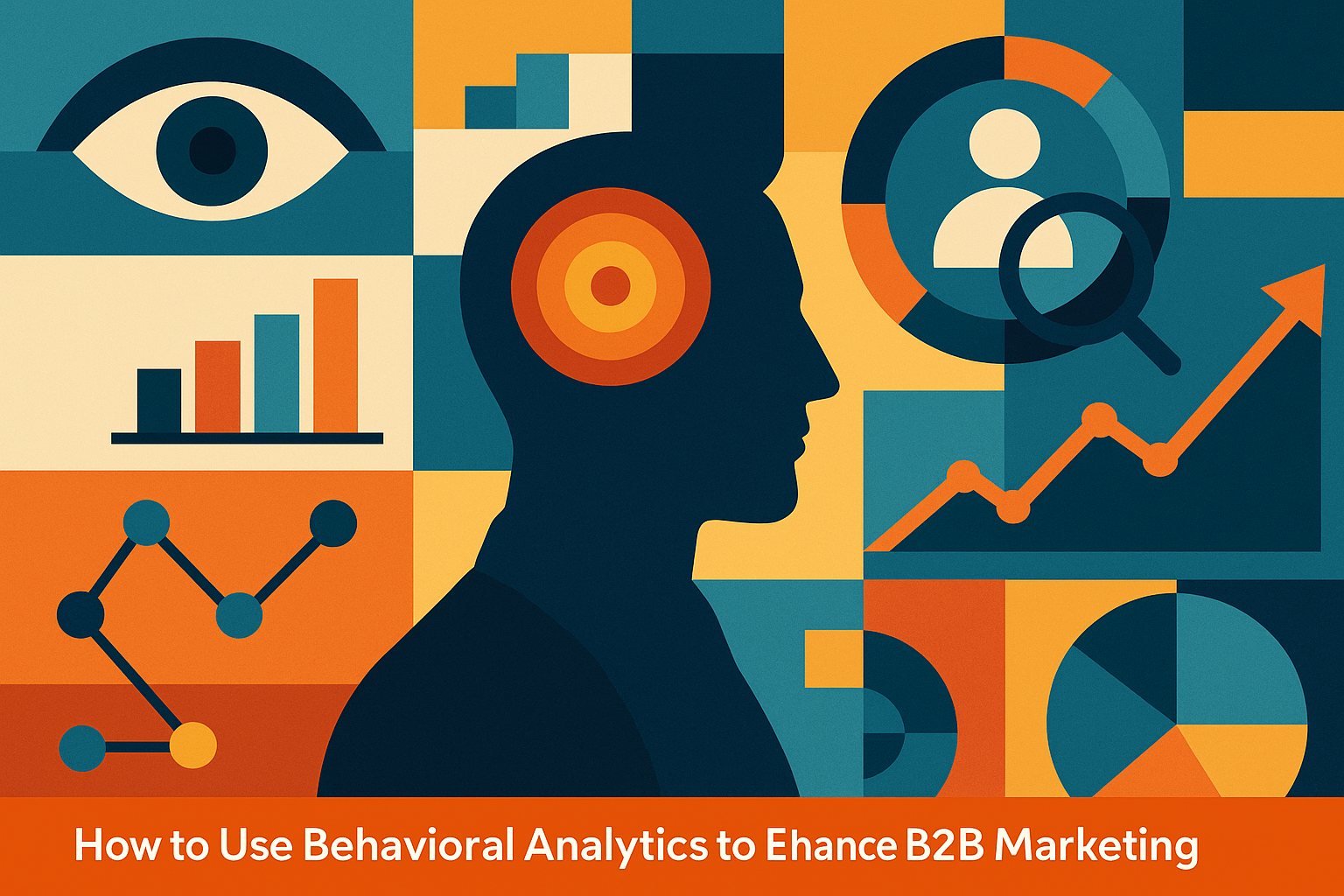
Discover how behavioral analytics can transform your B2B marketing strategy. Learn to interpret customer data, predict behaviors, and personalize campaigns for better engagement and conversion. Unlock the secrets to boosting marketing performance.
📑 Table of Contents
- Understanding Behavioral Analytics in B2BMarketing
- Setting Up Behavioral Analytics Tools
- Key Metrics to Track
- Segmenting Your Audience Based on Behavioral Data
- Implementing Dynamic Content Personalization
- Enhancing Lead Nurturing with Behavioral Triggers
- Scoring Leads with Behavioral Data
- Optimizing Campaigns in Real Time
- Utilizing Predictive Analytics
- Integrating Across Marketing Channels
- Coordinating Multi-Channel Campaigns
- Measuring the Success of Behavioral Analytics Strategies
- Continuous Learning and Adaptation
- Addressing Challenges in Behavioral Analytics
Understanding Behavioral Analytics in B2B Marketing
Behavioral analytics is a powerful tool for B2B marketers seeking to understand and predict customer behavior. By analyzing data from various touchpoints, marketers can gain insights into the actions and preferences of their target audiences. This data-driven approach enables the creation of more personalized marketing strategies that resonate with potential clients, enhancing engagement and conversion rates.
Setting Up Behavioral Analytics Tools
To begin leveraging behavioral analytics, it's essential to choose the right tools that integrate seamlessly with your existing marketing platforms. Tools like Google Analytics, Mixpanel, or custom solutions provided by CRM software can track user activity across your digital assets. The implementation involves setting up tracking codes on your websites, emails, and apps. Ensuring data privacy and compliance with regulations such as GDPR is also critical during setup.
Key Metrics to Track
Focus on metrics that provide insights into user behavior, such as page views, time on site, click-through rates, and event completions. Advanced metrics like sequence of actions, funnel progression, and dropout rates can reveal more about the user journeys.
Segmenting Your Audience Based on Behavioral Data
With data collected, the next step is segmenting your audience to tailor your marketing strategies effectively. Behavioral segmentation involves grouping your audience based on their actions, like frequent users, one-time visitors, or those who abandoned carts. This segmentation allows for more targeted and relevant marketing campaigns.
Implementing Dynamic Content Personalization
Use the insights from segmentation to personalize your content. Dynamic content personalization involves altering the content displayed on your channels based on the user's past behavior, significantly increasing the relevance and effectiveness of your interactions.
Enhancing Lead Nurturing with Behavioral Triggers
Behavioral triggers are automated actions initiated by a user's specific behavior, crucial for timely and relevant engagement. For example, if a prospect downloads a white paper, your marketing automation system can send a follow-up email with related case studies. This proactive approach helps in moving leads smoothly through the sales funnel.
Scoring Leads with Behavioral Data
Incorporate behavioral data into your lead scoring model to prioritize leads who are more likely to convert. Adjust scores based on the intensity and recency of interactions, such as visiting pricing pages or attending a webinar. This method ensures your sales team focuses their efforts on the most promising leads.
Optimizing Campaigns in Real Time
Behavioral analytics allows marketers to adjust campaigns in real time based on user responses. Monitor campaign performance continuously and use A/B testing with different segments to identify what works best. Quick adjustments can significantly improve the ROI of your marketing campaigns.
Utilizing Predictive Analytics
Advanced behavioral analytics tools enable predictive analytics, using historical data to forecast future behaviors. Predict which customers are at risk of churn or which prospects are most likely to convert, and tailor your marketing strategies accordingly.
Integrating Across Marketing Channels
To maximize the impact of behavioral analytics, ensure that insights are shared across all marketing channels. Integration allows for a unified view of the customer journey, providing a consistent and personalized customer experience whether the interaction happens via email, social media, or direct contact.
Coordinating Multi-Channel Campaigns
Coordinate campaigns across channels to maintain a consistent message and branding. For instance, if a user shows interest in a particular product feature in an email, highlight this feature in subsequent social media ads directed at this user.
Measuring the Success of Behavioral Analytics Strategies
To evaluate the effectiveness of your behavioral analytics efforts, track both the direct and indirect impacts. Direct measures include increased conversion rates and higher engagement metrics. Indirect benefits might be improved customer satisfaction and retention rates. Regularly review these metrics to refine and optimize your approach.
Continuous Learning and Adaptation
The field of behavioral analytics is dynamic, with continual advancements in technology and methodology. Stay informed about new tools, techniques, and best practices. Regular training for your marketing team can help maintain your competitive edge.
Addressing Challenges in Behavioral Analytics
While implementing behavioral analytics, businesses may face challenges like data silos, privacy concerns, and the need for technical expertise. Overcoming these challenges involves ensuring transparent data usage, investing in skilled personnel or training, and using integrated platforms that consolidate data sources effectively.
By understanding and applying these principles, B2B marketers can effectively use behavioral analytics to refine their marketing strategies, enhance performance, and ultimately drive more revenue. The key is to be data-driven, customer-focused, and agile in your marketing approach.
Frequently Asked Questions
What is behavioral analytics in the context of B2B marketing?
Behavioral analytics in B2B marketing refers to the analysis of data collected from the actions and interactions of users on digital platforms. This data helps marketers understand how users engage with their content, products, and services, enabling them to tailor marketing strategies to better meet the needs and preferences of their target audiences.
How can behavioral analytics improve marketing performance?
By leveraging behavioral analytics, marketers can gain insights into user behavior patterns, such as website navigation paths, content engagement, and conversion triggers. These insights allow for the optimization of marketing campaigns through more personalized messaging, improved user experiences, and better alignment of content with user preferences, ultimately leading to higher conversion rates and enhanced marketing effectiveness.
What types of data are crucial for behavioral analytics in B2B settings?
Essential types of data for behavioral analytics in B2B marketing include user interaction data (clicks, scrolls, form submissions), engagement time, content downloads, page views, and social media interactions. Collecting and analyzing these data points helps in creating a comprehensive understanding of how businesses interact with your brand online, which can be used to refine marketing strategies and decision-making processes.
What are the best practices for implementing behavioral analytics in B2B marketing?
Best practices for implementing behavioral analytics in B2B marketing include defining clear objectives, ensuring data quality and integrity, using advanced analytical tools for data analysis, continuously testing and optimizing based on insights, and maintaining privacy and compliance with data protection regulations. It's also crucial to integrate behavioral data with other business data to get a holistic view of customer interactions and preferences.
How does behavioral analytics differ from traditional marketing analytics?
Behavioral analytics focuses specifically on the actions and behaviors of users, providing a deep dive into how and why users interact with a brand's digital assets. Traditional marketing analytics often focuses more broadly on outcomes such as sales and conversions without delving deeply into the underlying user behaviors that drive these results. Behavioral analytics offers a more granular view, enabling more precise and effective marketing strategies.
Sources and References
- The Power of Behavioral Analytics in B2B Sales - This McKinsey report discusses how behavioral analytics can revolutionize B2B marketing by enhancing predictive capabilities and personalization strategies. It provides insights into setting up effective analytics tools and segmenting audiences based on behavioral data, directly supporting the article's sections on these topics.
- Advanced Methods in Behavioral Analytics - This academic paper from Arxiv.org explores various advanced methodologies in capturing and analyzing behavioral data. It supports the article's discussion on key metrics to track and how to leverage AI for deeper data insights in a B2B setting.
- HubSpot Marketing Statistics - HubSpot provides a comprehensive collection of up-to-date marketing statistics that validate the effectiveness of behavioral analytics in improving marketing strategies. This source is particularly relevant to understanding the impact of dynamic content personalization discussed in the article.
- Using Behavioral Science to Improve Marketing Performance - An article from Harvard Business Review that discusses the application of behavioral science in marketing, providing expert analysis that complements the article's section on implementing dynamic content personalization and enhancing overall marketing performance.
- Google Research: Behavioral Data and Machine Learning - This Google research publication details the use of machine learning techniques in analyzing behavioral data, supporting the article's discussion on AI's role in behavioral analytics within B2B marketing.
- What is Marketing Automation? - Salesforce provides an overview of marketing automation, including how behavioral analytics plays a crucial role in automating and optimizing marketing tasks and campaigns. This source is particularly useful for understanding the practical applications mentioned in the article.