Boost Your B2B Marketing Performance: Key Metrics and Improvement
To effectively measure and improve B2B marketing performance, start by identifying the right Key Performance Indicators (KPIs). These metrics should directly...

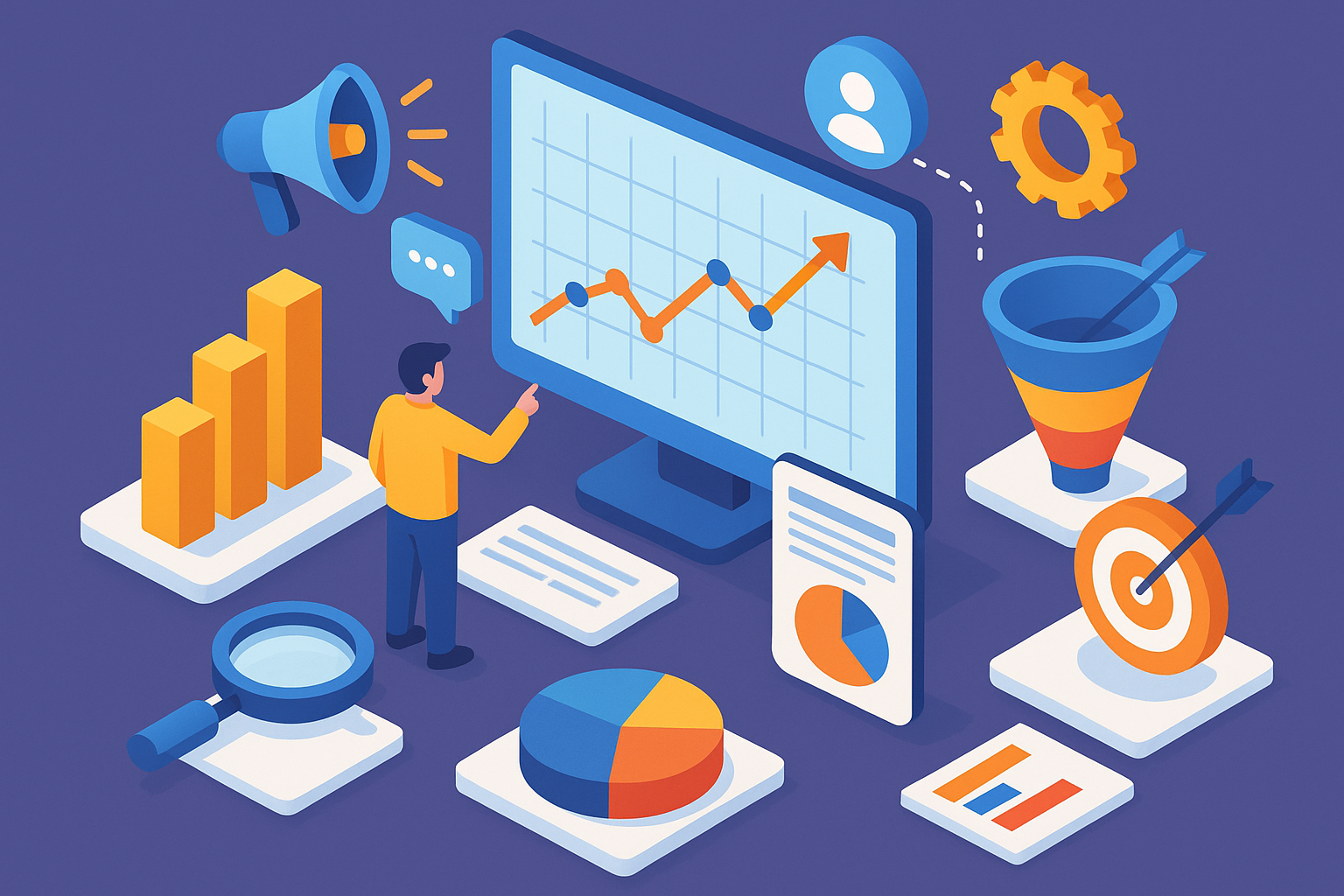
Discover key strategies to gauge and enhance your B2B marketing effectiveness. This article covers essential metrics, benchmarking techniques, and actionable tips to optimize your marketing efforts and drive business growth.
📑 Table of Contents
- Understanding Key Performance Indicators (KPIs) in B2BMarketing
- Setting Up a Robust Data Collection Framework
- Automating Data Collection
- Analyzing Marketing Data to Uncover Insights
- Implementing Advanced Analytical Techniques
- Optimizing Campaigns Based on Performance
- A/B Testing
- Leveraging Customer Feedback for Continuous Improvement
- Integrating Feedback into Marketing Strategies
- Monitoring Industry Trends and Competitor Strategies
- Adapting to Changes and Innovations
- Measuring Progress and Adjusting Strategies
- Regular Strategy Reviews
Understanding Key Performance Indicators (KPIs) in B2B Marketing
To effectively measure and improve B2B marketing performance, start by identifying the right Key Performance Indicators (KPIs). These metrics should directly reflect your business objectives and provide insights into your marketing effectiveness. Common KPIs in B2B marketing include Lead Conversion Rate, Customer Acquisition Cost (CAC), Customer Lifetime Value (CLV), and Return on Marketing Investment (ROMI). Choosing the right KPIs ensures that you focus on what truly matters to your business growth.
Setting Up a Robust Data Collection Framework
Once your KPIs are defined, establish a robust framework for collecting accurate and timely data. This involves integrating your CRM, marketing automation tools, and any other data sources to capture all relevant interactions with your prospects and customers. Ensure that your data collection methods are GDPR compliant and that privacy standards are maintained to build trust with your audience.
Automating Data Collection
Utilize automation tools to streamline data collection and reduce human errors. For example, marketing platforms like HubSpot or Salesforce can automatically track email open rates, website visits, and engagement metrics, directly linking this data to individual customer profiles.
Analyzing Marketing Data to Uncover Insights
With your data in place, the next step is to analyze this information to gain actionable insights. Use data analytics tools to perform cohort analysis, funnel analysis, and customer segmentation. These analyses help you understand the effectiveness of different marketing strategies and customer behaviors.
Implementing Advanced Analytical Techniques
Consider advanced techniques like predictive analytics to forecast future trends based on historical data. Tools that support machine learning can help predict customer behaviors, enabling you to tailor your marketing strategies proactively.
Optimizing Campaigns Based on Performance
Use the insights gained from data analysis to optimize your marketing campaigns. If certain tactics are not performing well, reassess and pivot your strategy. For example, if lead generation is low from social media ads, consider reallocating your budget towards more successful channels like email marketing or content marketing.
A/B Testing
A critical tool in campaign optimization is A/B testing. Regularly test different versions of your web pages, emails, and ads to see which performs better. Focus on one variable at a time to understand which changes produce significant improvements in your KPIs.
Leveraging Customer Feedback for Continuous Improvement
Customer feedback is invaluable in refining your B2B marketing strategies. Regularly solicit feedback through surveys, focus groups, and one-on-one interviews. Listen to what your customers are saying about your products, your marketing content, and their customer journey. This feedback provides direct insights into areas for improvement.
Integrating Feedback into Marketing Strategies
Integrate the feedback you receive into your marketing campaigns. If customers are consistently pointing out specific issues or expressing particular needs, make sure to address these in your marketing efforts. This not only improves customer satisfaction but also enhances the relevance of your marketing messages.
Monitoring Industry Trends and Competitor Strategies
Staying informed about industry trends and competitor strategies is crucial for maintaining a competitive edge. Use tools like Google Alerts, SEMrush, or BuzzSumo to keep track of what your competitors are doing and the overall market dynamics. Analyzing these can help you anticipate market shifts and adapt your strategies accordingly.
Adapting to Changes and Innovations
As you monitor trends, be ready to quickly adapt to new technologies and innovations that could enhance your marketing effectiveness. Whether it's new marketing software, emerging social media platforms, or changes in consumer behavior, staying agile allows you to capitalize on opportunities before your competitors do.
Measuring Progress and Adjusting Strategies
Finally, continuously measure your progress against the KPIs you've set. Use dashboards and reporting tools to regularly review your marketing performance. If certain objectives are not being met, delve deeper to understand why and adjust your strategies accordingly.
Regular Strategy Reviews
Implement regular strategy review sessions with your marketing team and stakeholders. Discuss what's working, what isn't, and what can be improved. This not only keeps your strategies aligned with your business goals but also fosters a culture of continuous improvement.
By following these steps, you can effectively measure and improve your B2B marketing performance. Remember, the key is not just to collect data, but to turn that data into actionable insights that drive your business forward. With a systematic approach to performance measurement and optimization, you can ensure that your marketing efforts contribute significantly to your company's success.
Frequently Asked Questions
What are the key metrics to measure B2B marketing performance?
Key metrics to measure B2B marketing performance include Lead Generation (volume and quality), Customer Acquisition Cost (CAC), Customer Lifetime Value (CLV), Return on Investment (ROI), Conversion Rates (leads to customers), and Engagement Metrics (such as email open rates and social media interaction). Monitoring these metrics helps in evaluating the effectiveness of marketing strategies and optimizing them for better returns.
How can data be used to improve B2B marketing strategies?
Data can be leveraged to improve B2B marketing strategies by enabling personalized marketing, identifying and targeting the most profitable customer segments, optimizing marketing channels based on performance, and predicting future trends. Continuous analysis of customer data helps in refining marketing messages, improving product offerings, and enhancing overall customer experience.
What are some effective B2B marketing strategies?
Effective B2B marketing strategies include content marketing (creating valuable and relevant content tailored to your audience), account-based marketing (focusing on specific high-value accounts), digital advertising (such as LinkedIn ads), email marketing (for lead nurturing), and participating in industry events and webinars. These strategies should be aligned with the specific needs and behaviors of business customers to drive engagement and conversions.
How important is customer feedback in measuring B2B marketing performance?
Customer feedback is crucial in measuring B2B marketing performance as it provides direct insights into customer satisfaction and the perceived value of products or services. Feedback helps identify areas for improvement, gauge customer loyalty, and understand the effectiveness of communication and service delivery. Regularly soliciting and analyzing feedback can significantly enhance marketing strategies and business outcomes.
Sources and References
- The B2B digital inflection point: How sales have changed during COVID-19 - This McKinsey report provides insights into how B2B marketing strategies have had to evolve rapidly due to the pandemic, emphasizing the importance of robust data collection frameworks and digital transformation in marketing.
- What B2B Sales Need from Tech in the New Normal - Harvard Business Review article that discusses the technological needs of B2B sales teams, including automation of data collection and the use of advanced analytics to drive marketing performance, directly supporting the discussion on automating data collection and implementing advanced analytical techniques.
- The Forrester Wave™: CRM Suites For Enterprise Organizations, Q4 2020 - Forrester's evaluation of CRM suites highlights tools that are critical in setting up data collection frameworks and analyzing marketing data, providing a direct link to the article's sections on data framework setup and data analysis.
- Advanced Analytics Techniques for B2B Marketing Performance Measurement - This research paper from arXiv provides a deep dive into various advanced analytical techniques that can be applied to measure and improve B2B marketing performance, aligning with the article's discussion on the same topic.
- Machine Learning in B2B Marketing: Current Applications and Future Directions - Google Research's publication explores the application of machine learning in B2B marketing, offering insights into how AI can analyze marketing data and uncover insights to improve performance, which supports the article's focus on using AI in analyzing marketing data.
- What is Marketing Automation? - This resource from Salesforce explains the concept and benefits of marketing automation, providing foundational support for the article's section on automating data collection in B2B marketing.