Boost Your B2B Lead Generation with Targeted Marketing Automation
Understanding the Role of Marketing Automation in B2B Lead Generation Marketing automation in B2B environments focuses on streamlining and optimizing marketing...

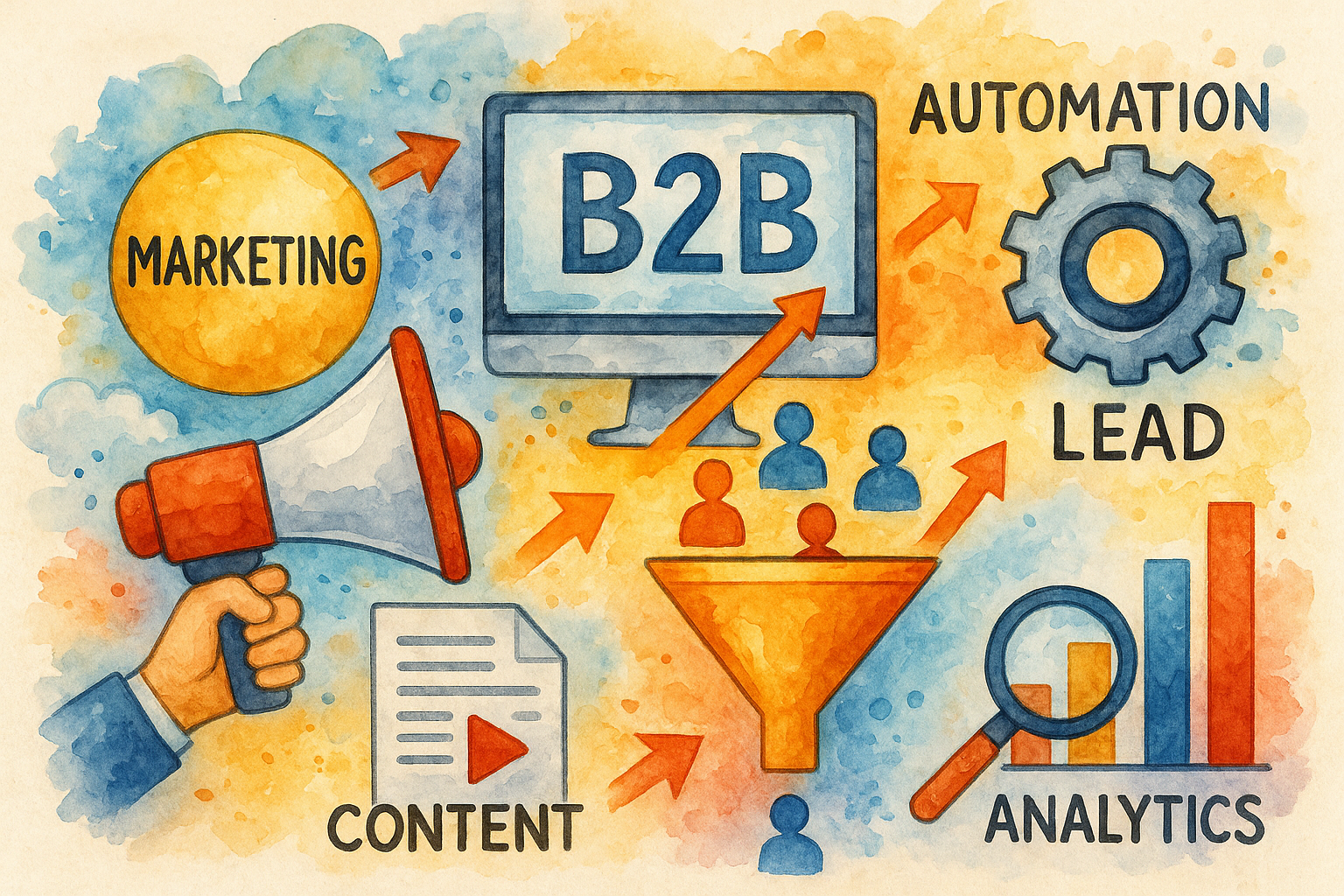
Discover how to enhance your B2B marketing automation to boost lead generation. This article covers key strategies for effectively targeting and nurturing leads, using data analytics, and integrating seamless workflows to maximize conversion rates.
📑 Table of Contents
- Understanding the Role ofMarketingAutomation in B2B Lead Generation
- Selecting the Right MarketingAutomationTools
- Evaluating Integration Capabilities
- Assessing Scalability and Support
- Setting Up Your Marketing Automation System
- Creating Effective Workflows
- Integrating Content Marketing with Automation
- Personalization and Relevance
- Leveraging Analytics to Enhance Campaigns
- Adjusting Strategies Based on Analytics
- Optimizing Lead Scoring and Nurturing
- Improving Lead Nurturing Tactics
- Common Obstacles and Solutions in Marketing Automation
Understanding the Role of Marketing Automation in B2B Lead Generation
Marketing automation in B2B environments focuses on streamlining and optimizing marketing processes to enhance lead generation efficiency. By automating repetitive tasks, businesses can ensure consistent engagement with potential clients, timely responses to inquiries, and personalized communication at scale. The primary goal is to nurture leads until they are ready to engage in a sales conversation, thereby increasing the likelihood of conversion.
Selecting the Right Marketing Automation Tools
Choosing the right tools is crucial for effective marketing automation. The ideal platform should offer integration capabilities with existing CRM systems, provide detailed analytics, support email marketing, content marketing, social media management, and lead nurturing functionalities. It’s essential to select a tool that aligns with your business size, industry, and specific marketing goals. Evaluating tools based on their scalability, ease of use, and customer support will also contribute significantly to your success.
Evaluating Integration Capabilities
Ensure the tool integrates seamlessly with other systems such as CRM platforms, email services, and analytics tools. This integration enables a unified view of customer interactions and behaviors, crucial for personalized marketing and accurate lead scoring.
Assessing Scalability and Support
Consider not only your current needs but also potential future requirements. A scalable tool grows with your business, accommodating more complex campaigns and a larger database without performance issues. Additionally, responsive customer support from the tool provider can be invaluable, especially when implementing complex campaigns or troubleshooting.
Setting Up Your Marketing Automation System
Once you’ve chosen your tool, setting it up correctly is fundamental. Begin by importing existing customer data into the system and segmenting your audience based on relevant criteria such as industry, role, or stage in the buying cycle. Develop a series of automated workflows tailored to each segment, ensuring that the content and timing of communications are optimized to drive engagement.
Creating Effective Workflows
Workflows should be designed to guide leads through the sales funnel efficiently. For instance, a typical workflow might start with an initial email following a lead's action, such as downloading a white paper. Subsequent emails might provide more information on the topic, testimonials, and a soft pitch, each triggered by specific lead behaviors indicating increasing interest or readiness to purchase.
Integrating Content Marketing with Automation
Content is a cornerstone of effective B2B marketing automation. The content you create should address the pain points and interests of each customer segment, guiding them towards a decision. Automate the distribution of content like blogs, white papers, case studies, and videos based on the user’s interaction with previous content. This targeted approach helps in building credibility and trust with potential leads.
Personalization and Relevance
Use data insights from your automation system to personalize content for each recipient. Personalization goes beyond using the lead’s name; it involves tailoring the content to reflect the lead’s specific business needs, behaviors, and stage in the buying journey.
Leveraging Analytics to Enhance Campaigns
Analytics play a critical role in optimizing marketing automation. Regularly review performance metrics such as open rates, click-through rates, conversion rates, and ROI. These metrics provide insights into what’s working and what isn’t, allowing you to fine-tune your campaigns for better performance.
Adjusting Strategies Based on Analytics
Use analytical data to adjust the timing, content, and segmentation of your campaigns. For example, if analytics indicate that emails sent on a particular day have higher open rates, adjust your campaign to exploit this pattern. Similarly, if certain content types generate more engagement, produce more of that type of content.
Optimizing Lead Scoring and Nurturing
Lead scoring is an automated process that ranks leads based on their engagement level and likelihood to convert. Develop a scoring system that reflects the unique behaviors and traits of your target audience. Use this scoring to prioritize follow-up efforts and tailor nurturing strategies.
Improving Lead Nurturing Tactics
Effective lead nurturing involves a series of touches with the prospect, providing valuable information at each stage of the buyer's journey. Automate follow-up emails, schedule calls, and send personalized offers or demos based on the lead’s score and specific needs.
Common Obstacles and Solutions in Marketing Automation
One of the main challenges in marketing automation is maintaining the quality and relevance of communication. To overcome this, regularly update your customer data, revisit segmentation strategies, and refresh content. Another challenge is ensuring the marketing-sales alignment; ensure both teams are synchronized in terms of goals, lead handover protocols, and feedback loops. Marketing automation, when executed well, transforms how businesses approach lead generation and nurturing in the B2B sector. By setting up robust systems, integrating rich content, and continuously leveraging data for optimization, companies can build more meaningful connections with potential clients, enhancing both lead quality and conversion rates.
Frequently Asked Questions
What are the key components of an effective B2B marketing automation strategy?
An effective B2B marketing automation strategy should include several key components: 1. Target Audience Identification: Clearly define who your ideal customers are to tailor your marketing efforts. 2. Content Personalization: Develop content that addresses the specific needs and pain points of your target audience. 3. Lead Scoring: Implement a system to score leads based on their engagement and likelihood to convert, helping prioritize follow-up actions. 4. Multi-Channel Integration: Use various channels (email, social media, webinars) cohesively to nurture leads throughout the buying journey. 5. Analytics and Reporting: Regularly analyze performance data to refine strategies and improve outcomes. These components work together to streamline your marketing efforts and enhance lead generation and conversion rates.
How can content personalization improve lead generation in B2B marketing?
Content personalization can significantly enhance lead generation by delivering more relevant and engaging messages to potential clients. Personalized content speaks directly to the specific needs, challenges, and interests of your target audience, increasing the likelihood of engagement. This relevance boosts lead quality as it attracts prospects who are more interested and likely to convert. Additionally, personalization helps build trust and credibility, fostering stronger relationships with potential customers.
What role does analytics play in optimizing B2B marketing automation?
Analytics is crucial in optimizing B2B marketing automation as it provides insights into the effectiveness of your marketing campaigns. By tracking key performance indicators (KPIs) such as conversion rates, lead generation, and ROI, businesses can identify what works and what doesn’t. This data-driven approach allows for continuous refinement of strategies, ensuring resources are focused on the most effective tactics. Moreover, analytics can help predict future trends, enabling proactive adjustments to marketing plans.
How important is lead scoring in marketing automation?
Lead scoring is a fundamental aspect of marketing automation that significantly enhances the efficiency of the lead generation and nurturing process. By assigning a numerical value to each lead based on their actions and engagement level, companies can prioritize leads that are more likely to convert, ensuring that sales teams focus their efforts on the most promising prospects. This method not only improves the alignment between marketing and sales teams but also increases the overall conversion rates by targeting the right leads at the right time.
Sources and References
- The Forrester Wave: Marketing Automation Solutions, Q4 2023 - This report from Forrester provides an in-depth analysis of the top marketing automation tools in the industry, supporting the article's section on selecting the right marketing automation tools. It includes performance benchmarks, feature comparisons, and strategic insights that are crucial for businesses aiming to optimize their B2B lead generation.
- Integrating AI into B2B Marketing Strategies - This research paper from Google discusses the integration capabilities of AI technologies within B2B marketing frameworks. It supports the article's discussion on evaluating integration capabilities of marketing automation tools, providing technical insights and case studies on successful AI implementations.
- Scaling Your Marketing Strategy as Your Business Grows - This Harvard Business Review article explores different strategies for scaling marketing efforts in growing businesses. It aligns with the article's section on assessing scalability and support, offering expert advice and practical examples of scalable marketing automation systems.
- What is Marketing Automation? - This resource from Salesforce explains the fundamentals of marketing automation and its importance in lead generation within the B2B sector. It provides foundational knowledge that supports the article's introduction on understanding the role of marketing automation in B2B lead generation.
- Effective Content Strategies for Marketing Automation Tools - This guide from the Content Marketing Institute discusses how to leverage content effectively within marketing automation to generate leads. It complements the article's content on setting up marketing automation systems, specifically how to use content to engage and convert leads.
- Analytical Techniques for Enhanced Marketing Automation - This academic paper provides detailed methodologies on using analytics to optimize marketing automation for lead generation. It supports the article's sections that discuss the use of analytics to refine and improve the effectiveness of marketing automation systems.