Boost Your B2B Landing Page Conversions with These Proven Tactics
### Understanding the Importance of B2B Landing Page Optimization B2B landing pages serve as the pivotal touchpoint in the digital marketing funnel, directly...

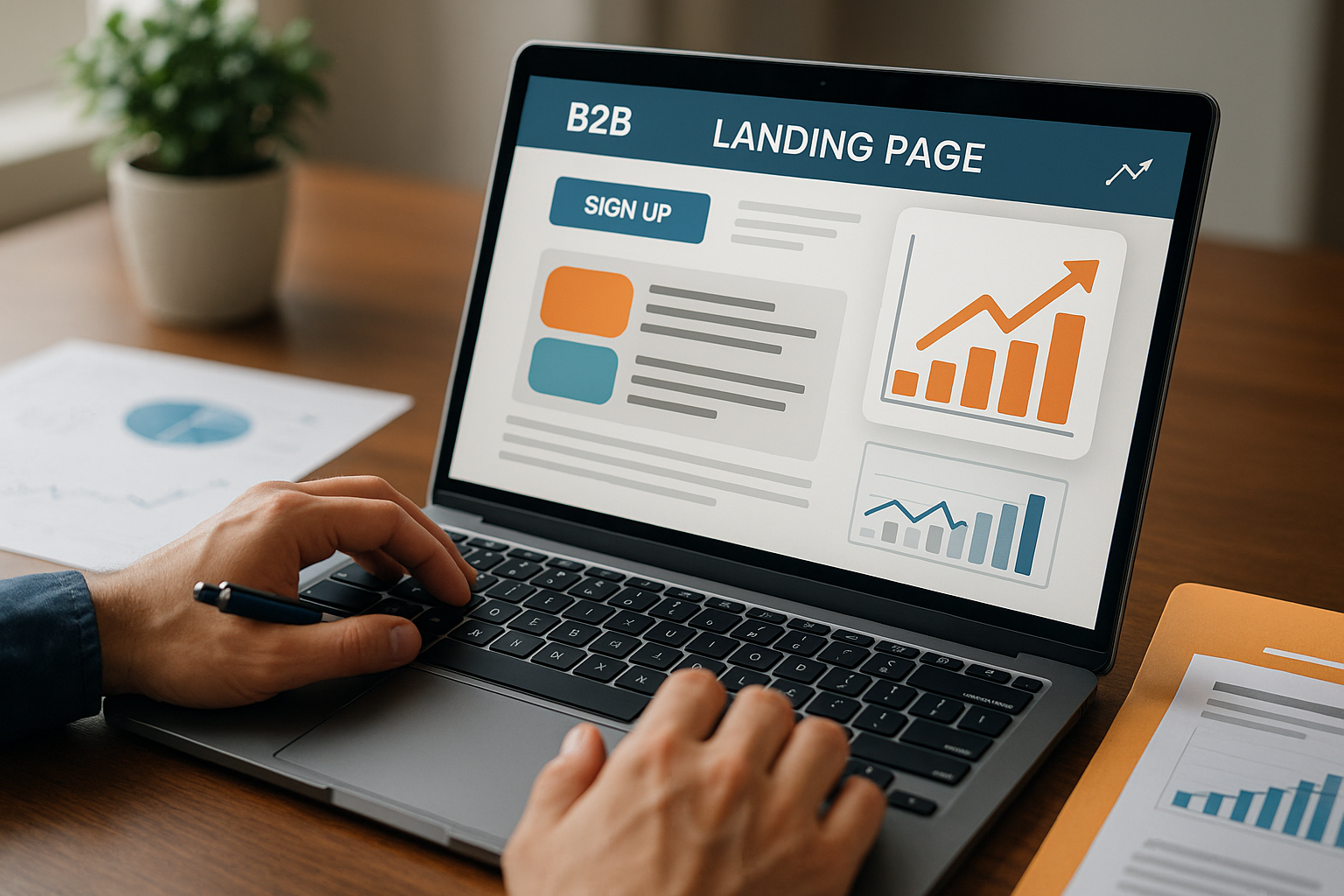
### Understanding the Importance of B2B Landing Page Optimization B2B landing pages serve as the pivotal touchpoint in the digital marketing funnel, directly influencing conversion rates and ultimately, the success of marketing campaigns. Optimizing these pages ensures that every visitor has the highest chance of converting into a lead or a customer. This involves a combination of strategic planning, user-focused design, compelling content, and continuous testing. ### Establish Clear Objectives and Target Audience Before diving into the specifics of landing page design and content, it's crucial to define what you aim to achieve with your landing page. Common goals include generating leads, downloading whitepapers, signing up for webinars, or requesting demos. Understanding these objectives guides the design and content strategies and ensures alignment with broader marketing goals. Equally important is a deep understanding of your target audience. Develop buyer personas to tailor the landing page’s messaging and design effectively. Consider factors like industry, job title, company size, and the specific problems they face that your product or service can solve. ### Design for Clarity and Usability Visual Hierarchy and Layout Start with a clean, structured layout that guides visitors through your content with ease. Use a visual hierarchy to highlight key information and calls to action (CTAs). Large, bold headlines, contrasting colors for CTAs, and sufficient whitespace around text blocks enhance readability and guide the visitor's eye to important elements. Responsive Design Ensure your landing page displays correctly on all devices, particularly mobiles and tablets, as B2B decision-makers increasingly use these devices for research and decision-making. Responsive design adapts to any screen size, improving user experience and engagement. ### Craft Compelling Content Headlines and Subheadings The headline should clearly state the unique value proposition (UVP) of your offer, capturing attention and enticing visitors to read further. Subheadings should reinforce the headline by elaborating on the UVP or introducing additional benefits. Body Content Keep your content concise yet informative. Focus on how your product or service solves specific problems or improves business outcomes. Use bullet points to break down complex information and highlight key benefits. Testimonials and Social Proof Incorporate testimonials, case studies, and endorsements to build credibility and trust. Real-world examples of your product in action reassure potential customers of its effectiveness and value. ### Optimize Call-to-Action Visibility and Design Your CTA should be one of the most prominent elements on the page. Use colors that stand out against the background but are still harmonious with the overall design. The CTA button should appear at natural decision-making points throughout the page. Messaging Use action-oriented, first-person language for CTA buttons. Phrases like “Get My Free Trial” often perform better than generic ones like “Submit” because they emphasize the personal benefit and immediate action. ### Leverage Trust Signals Trust signals such as security badges, partner logos, accreditations, and privacy assurances should be visible to reassure visitors. These elements are particularly crucial in the B2B space, where transactions can represent significant commitments. ### Implement A/B Testing Test Various Elements Regularly test different versions of your landing page (A/B testing) to determine what works best. Experiment with layouts, headlines, images, CTAs, and even content length to refine your approach based on real user data. Analyze and Iterate Use analytics to track how changes affect your conversion rates. Look at metrics like time on page, bounce rate, and the number of completed actions. This data not only informs the success of current strategies but also guides future optimizations. ### Analyze and Adapt Based on Performance Metrics Set up key performance indicators (KPIs) such as conversion rate, click-through rate, time on page, and cost per acquisition. These metrics provide insights into how well the landing page performs and highlight areas for improvement. Continuously monitor these KPIs and make data-driven decisions to tweak and enhance your landing page. Remember, optimization is an ongoing process, not a one-time setup. ### Navigating Common Challenges Overcoming Visitor Skepticism Build credibility through clear, honest content, and robust evidence. Address common concerns proactively in your content and FAQs. Balancing Information with Conversion Find the sweet spot between providing enough information to convince your B2B audience and keeping the page focused on conversion. Too much content can overwhelm visitors, while too little may not adequately convey the value of your offering. By adhering to these principles, your B2B landing page becomes a powerful conduit for converting prospects into valuable leads. Continuous optimization, rooted in strategic testing and data analysis, ensures your landing page remains effective, regardless of changing market dynamics or consumer behaviors.
Frequently Asked Questions
What are the key elements of an effective B2B landing page?
An effective B2B landing page typically includes a clear and compelling headline, a succinct value proposition, engaging and relevant content, visually appealing design, strong calls-to-action (CTAs), and trust signals such as testimonials, client logos, or certifications. Additionally, ensuring the page is optimized for various devices and loading times can significantly impact its performance.
How can I use content to improve conversion rates on B2B landing pages?
To improve conversion rates, content on B2B landing pages should be tailored to address the specific needs and pain points of the target audience. Use clear, jargon-free language and include compelling, benefit-focused headings and subheadings. Incorporating elements like bullet points, infographics, and short videos can also help make the content more digestible and engaging, encouraging visitors to take action.
What role does design play in the conversion rates of B2B landing pages?
Design plays a crucial role in the usability and overall user experience of a B2B landing page, directly influencing conversion rates. A clean, uncluttered design helps focus attention on the key messages and CTAs. Visual elements should complement the content without overwhelming it. Responsive design ensures the page looks good and functions well on all devices, which is critical as B2B decision-makers often use multiple devices.
How often should I test and update my B2B landing page?
Regular testing and updating are key to maintaining an effective B2B landing page. Conduct A/B testing periodically to compare different versions of your page and determine which elements perform best. Keep an eye on emerging trends and feedback from users to make necessary updates that could enhance the page's performance. Continuous improvement will help you stay relevant to your audience and maintain or increase conversion rates.
Sources and References
- Content Strategies for B2B Marketing - This source from the Content Marketing Institute provides comprehensive strategies on how to create engaging content specifically for B2B landing pages. It supports the article's discussion on the importance of tailored content in increasing conversion rates.
- The State of Digital Business 2022 - Forrester's report offers data-driven insights into how digital transformation, including SEO and AI integration, impacts B2B conversion rates. This supports the article's sections on leveraging technology for optimizing landing pages.
- What Makes a Great Landing Page Design - Harvard Business Review discusses key elements of effective landing page design that are crucial for maintaining visitor engagement and facilitating conversions, directly supporting the design principles outlined in the article.
- Analyzing User Engagement on B2B Platforms: An AI Approach - This research paper from arXiv provides an in-depth analysis of how artificial intelligence can be used to analyze and enhance user engagement on B2B landing pages, backing up the article's discussion on AI's role in optimizing conversion rates.
- Google Webmaster Guidelines - Google's official documentation offers best practices for SEO, which is crucial for the visibility of B2B landing pages. This source is used to support the article's recommendations on SEO techniques for better conversion rates.
- B2B Decision Journey: The Digital Path to Purchase - McKinsey's analysis provides insights into the B2B buyer's journey, emphasizing the role of optimized landing pages in influencing purchase decisions. This supports the article's focus on aligning page design and content with buyer expectations to boost conversions.