Boost Your B2B Email Campaigns with Effective Personalization Tactics
Understanding the Role of Personalization in B2B Email Campaigns Personalization in B2B email marketing isn't just about addressing a recipient by their first...

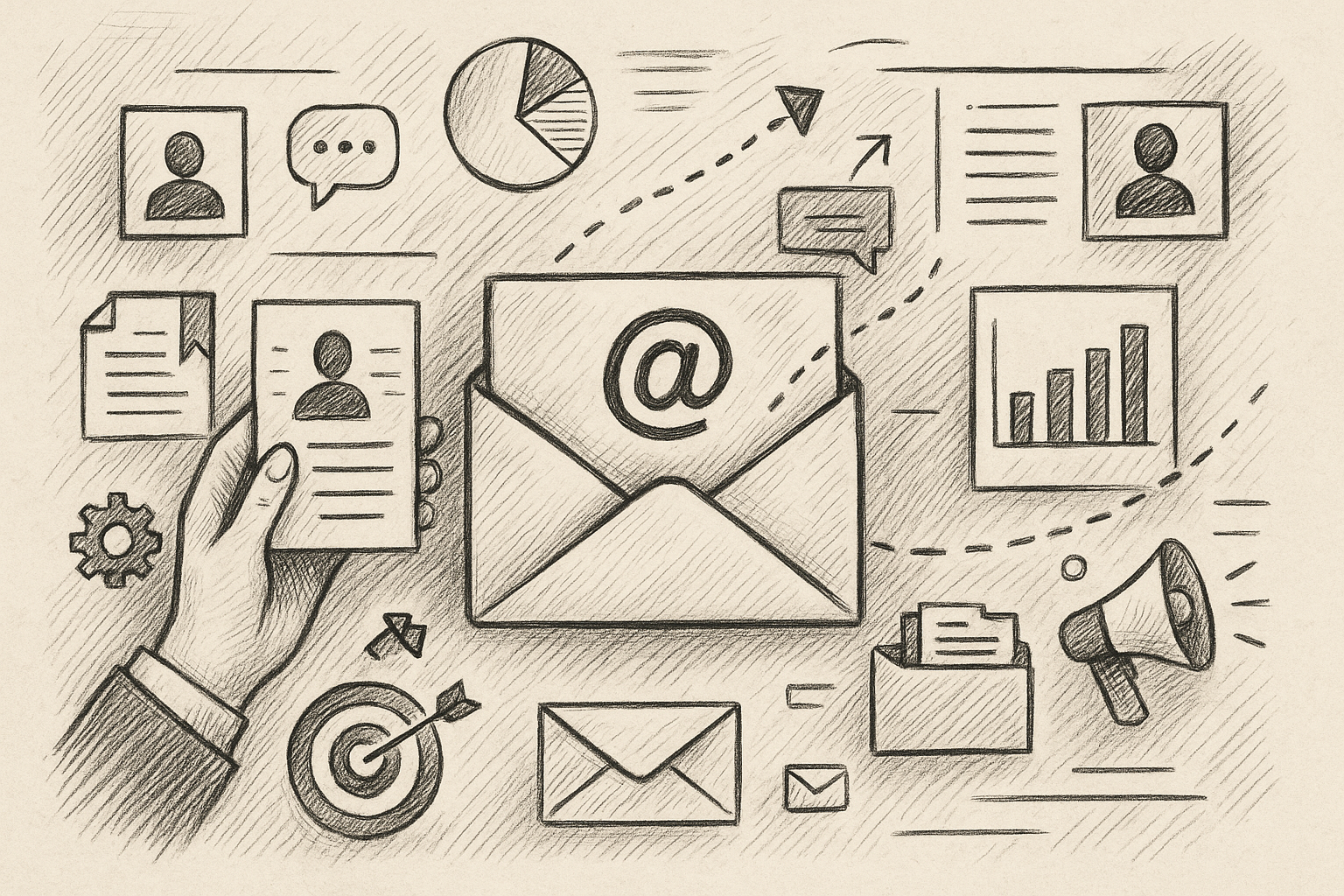
Discover how to boost your B2B email campaigns with effective personalization tactics. Learn key strategies to enhance engagement, improve response rates, and tailor content to meet the specific needs of your business clients.
📑 Table of Contents
- Understanding the Role of Personalization in B2B Email Campaigns
- Segmenting Your Audience for Targeted Messaging
- Designing Content That Resonates
- Leveraging Technology for Personalization
- Testing and Optimizing for Better Engagement
- Adhering to Privacy Regulations
- Practical Takeaways for Implementing Personalization in B2B Email Campaigns
Understanding the Role of Personalization in B2B Email Campaigns
Personalization in B2B email marketing isn't just about addressing a recipient by their first name. It extends to tailoring content based on the recipient’s industry, role in the company, and previous interactions with the brand. Data shows that emails with personalized subject lines are 50% more likely to be opened than generic emails. This statistic underscores the importance of personalization as a means to cut through the noise and engage decision-makers effectively.
Segmenting Your Audience for Targeted Messaging
Effective personalization starts with robust audience segmentation. Categorize your contacts not just by basic demographics, but by their behavior and interactions with your company. Possible segmentation criteria include: - Industry and Company Size: Tailor content that addresses specific industry challenges or showcases solutions for companies of similar sizes. - Role in the Company: Content that resonates with a CEO will differ markedly from that which appeals to a technical manager. - Engagement Level: Track how contacts interact with previous emails, website visits, and downloaded content to gauge their interest levels and tailor future communications accordingly. Segmentation allows marketers to create more relevant, engaging campaigns that speak directly to the needs and interests of each subgroup.
Designing Content That Resonates
Once you have segmented your audience, the next step is crafting content that resonates with each group. Here are some strategies: - Educational Content for New Leads: Share insights and thought leadership that can help new leads understand the value of your solutions. - Detailed Case Studies for Engaged Prospects: For prospects who have shown a high level of engagement, detailed case studies can demonstrate the effectiveness of your solutions in a real-world scenario. - Updates and New Features for Existing Customers: Keep your existing customers engaged by informing them about product updates or new features that could benefit their business.
Leveraging Technology for Personalization
Effective personalization at scale requires the right technology. Use an Email Service Provider (ESP) that supports advanced segmentation, A/B testing, and integrates seamlessly with your CRM system. This integration ensures that the data used for personalizing emails is as accurate and up-to-date as possible. - Dynamic Content: Use dynamic content blocks in your emails that automatically adjust the content based on the user’s segment. For example, the same email can show different product recommendations to a CEO and a technical manager. - Behavior-triggered Emails: Set up emails that are triggered by specific behaviors, such as visiting a particular page on your website or downloading a white paper. These timely, relevant emails can significantly increase engagement.
Testing and Optimizing for Better Engagement
Constant testing and optimization are key to improving the effectiveness of your personalized email campaigns. Implement A/B testing to understand what works best for your audience segments. Test different aspects of your email like subject lines, email copy, call-to-action, and the layout. Analyzing the performance of your campaigns is crucial. Monitor metrics such as open rates, click-through rates, and conversion rates. These metrics will provide insights into how well your personalization strategies are working and where adjustments are needed.
Adhering to Privacy Regulations
As you collect and use data for personalization, it's essential to stay compliant with privacy laws and regulations like GDPR or CCPA. Ensure that your data collection methods are transparent, and that you have consent from your contacts to use their data for marketing purposes. Regularly review your data practices and keep your privacy policies up to date to maintain trust with your customers.
Practical Takeaways for Implementing Personalization in B2B Email Campaigns
To effectively implement personalization in your B2B email campaigns, start by deeply understanding your audience and segmenting them based on detailed criteria. Utilize technology that facilitates advanced personalization and ensures integration with your CRM. Continuously test and optimize your campaigns based on detailed analytics. Lastly, always adhere to the latest data privacy regulations to maintain customer trust. By following these strategies, you can create more meaningful and impactful email campaigns that resonate with your B2B audience, driving better engagement and ultimately, higher conversion rates.
Frequently Asked Questions
What are the key benefits of personalizing B2B email campaigns?
Personalizing B2B email campaigns can significantly enhance engagement rates, improve customer relationships, and increase conversion rates. By tailoring content to meet the specific needs and interests of each recipient, businesses can demonstrate their understanding and commitment to their clients, fostering loyalty and encouraging more meaningful interactions.
How can I effectively segment my email list for personalization?
Effective segmentation involves categorizing your email list based on relevant criteria such as industry, company size, role in the company, previous interactions, and engagement history. This allows you to craft more targeted and relevant messages that resonate with different segments of your audience, thereby increasing the likelihood of a positive response.
What types of content should be personalized in B2B emails?
In B2B emails, personalization can be applied to various types of content including the subject line, the main body of the email, product recommendations, and calls-to-action. Personalizing these elements based on the recipient's previous interactions, industry relevance, and specific needs can significantly enhance the effectiveness of your campaigns.
Sources and References
- The State Of Personalization In B2B Marketing - This Forrester report provides comprehensive analysis on the importance and impact of personalization in B2B marketing strategies. It supports the article's discussion on the role of personalization in enhancing email campaign effectiveness and engagement rates.
- Segmenting Your Audience for Targeted Messaging - Harvard Business Review article that discusses methodologies and benefits of audience segmentation in B2B contexts. This source is pivotal for backing the article's claims about the necessity of segmenting audiences to tailor email content effectively.
- Effective Content Personalization Techniques - Content Marketing Institute provides strategies and examples of content personalization, which is crucial for the section of the article that deals with designing content that resonates with B2B audiences.
- Leveraging AI for Personalization in B2B Marketing - A detailed blog post by Salesforce explaining how artificial intelligence can be used to enhance personalization in B2B email campaigns. This supports the article's discussion on leveraging technology to improve personalization tactics.
- Optimizing Email Campaigns Through A/B Testing - A research paper hosted on arXiv providing insights into the methodologies and effectiveness of A/B testing in optimizing email campaigns. This academic perspective validates the article's section on testing and optimizing for better engagement.
- Email Marketing: Think Beyond the Blast - McKinsey & Company's insights on innovative email marketing strategies, emphasizing the shift from broad, untargeted campaigns to highly personalized communications. This source supports the overall narrative of the article regarding the evolution of email marketing in the B2B sector.