Boost Your B2B Efficiency with Smart Marketing Automation Strategies
Understanding the Role of Marketing Automation in B2B Contexts Marketing automation in B2B environments is primarily about enhancing efficiency and...

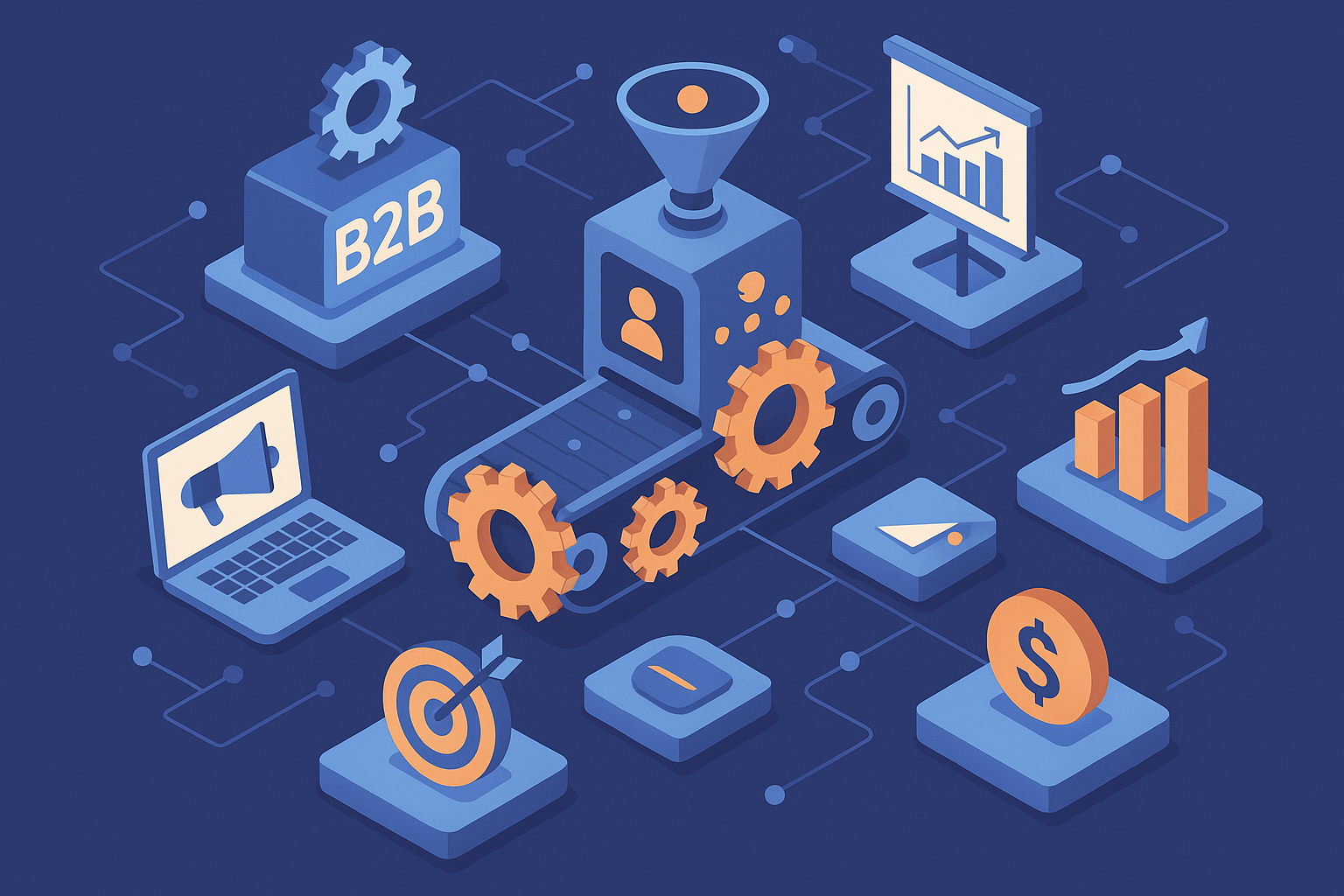
Discover how to streamline your B2B marketing efforts using automation. This article covers the essentials of setting up a strategy, selecting tools, and optimizing processes to enhance efficiency and drive growth.
📑 Table of Contents
- Understanding the Role of MarketingAutomationin B2B Contexts
- Setting Clear Objectives for Your Automation Strategy
- Aligning Marketing and Sales Teams
- Choosing the Right Marketing Automation Tools
- Evaluating Features vs. Needs
- Developing a Content Strategy That Complements Automation
- Segmentation and Personalization
- Integrating Automation Across Multiple Channels
- Consistency in Communication
- Measuring Success and Optimizing Your Strategies
- Leveraging A/B Testing
- Practical Takeaway: Ensuring Continuous Improvement
Understanding the Role of Marketing Automation in B2B Contexts
Marketing automation in B2B environments is primarily about enhancing efficiency and personalizing the customer journey at scale. Unlike B2C, B2B transactions are generally larger, have longer sales cycles, and involve multiple decision-makers. Automation tools enable marketers to nurture leads systematically, score them based on predefined criteria, and deliver targeted content that moves prospects through the sales funnel effectively.
Setting Clear Objectives for Your Automation Strategy
Before implementing any marketing automation strategy, it is crucial to define clear objectives. These objectives should align with broader business goals and might include increasing lead generation, improving lead quality, accelerating the sales cycle, or enhancing customer retention. Specificity in goal setting allows for more targeted campaigns, clearer analytics, and more actionable insights.
Aligning Marketing and Sales Teams
Ensure that both marketing and sales teams agree on what constitutes a qualified lead. This alignment is vital to effectively score leads and personalize the automation workflows. Regular meetings to discuss the performance of the leads and refine scoring criteria based on feedback from sales teams can significantly enhance the effectiveness of your automation efforts.
Choosing the Right Marketing Automation Tools
Selecting appropriate tools is critical. Look for platforms that offer integration capabilities with your existing CRM systems, social media platforms, and other tools used by your business. The automation software should also provide advanced analytics functionalities to track the performance of your campaigns and gather insights on customer behavior.
Evaluating Features vs. Needs
When evaluating potential tools, prioritize those that offer features directly beneficial to your objectives. For instance, if email marketing is a significant component of your strategy, opt for a tool with strong email automation and tracking capabilities. Additionally, consider the scalability of the tool, as your needs may grow as your business expands.
Developing a Content Strategy That Complements Automation
Content is the fuel for any marketing automation strategy. Developing a robust content plan that addresses the different stages of the buyer's journey is essential. This involves creating a variety of content types such as blogs, whitepapers, case studies, and videos that can be used to nurture leads at various stages.
Segmentation and Personalization
Use data to segment your audience based on their behavior, demographics, and engagement levels. This segmentation allows for more personalized content delivery, making your communications more relevant and effective. Personalization extends beyond using the recipient's name in an email; it involves tailoring the messaging and offers to meet the specific needs and pain points of each segment.
Integrating Automation Across Multiple Channels
Effective marketing automation strategies encompass multiple channels. Integration across these channels ensures that the customer experience is seamless, regardless of how or where the customer interacts with your brand. Whether it’s social media, email, or your website, each interaction should be consistent and contribute to nurturing the customer further along the buyer's journey.
Consistency in Communication
Ensure that the messaging remains consistent across all platforms. Disparate messaging can confuse potential leads and detract from the credibility of your brand. Automation tools can help maintain consistency in your communications by using predefined templates and messaging for various campaigns.
Measuring Success and Optimizing Your Strategies
The only way to truly know if your marketing automation strategy is working is by measuring its performance against your set objectives. Key performance indicators (KPIs) might include conversion rates, click-through rates, engagement levels, and ROI. Use these metrics to continually refine and optimize your approach.
Leveraging A/B Testing
Implement A/B testing to compare different versions of your campaigns to determine what works best with your audience. This can involve testing different email subject lines, landing pages, or even different times of day for sending out communications. The data collected from these tests can provide valuable insights that can be used to enhance the effectiveness of your automation strategy.
Practical Takeaway: Ensuring Continuous Improvement
The landscape of digital marketing continually evolves, and so should your marketing automation strategy. Regularly review and refine your automation processes, stay updated with new automation technologies and practices, and always keep the customer’s needs at the forefront of your strategy. Remember, the ultimate goal of marketing automation in a B2B context is to make interactions as personalized and efficient as possible, fostering stronger relationships and driving business growth.
Frequently Asked Questions
What are the core components of a B2B marketing automation strategy?
The core components of a B2B marketing automation strategy typically include lead generation, customer segmentation, lead nurturing, email marketing, and performance analytics. Integrating these components allows businesses to efficiently manage and streamline their marketing tasks, ultimately improving lead conversion rates and enhancing customer relationships.
How does marketing automation impact sales and customer relationships in a B2B context?
Marketing automation significantly enhances sales and customer relationships by providing timely and relevant interactions with potential and existing customers. Automation tools help in identifying and scoring leads, segmenting audiences, and delivering personalized campaigns, which leads to improved customer engagement and increased sales efficiency.
What are the best practices for implementing a marketing automation strategy in B2B settings?
Best practices for implementing a marketing automation strategy in B2B settings include clearly defining goals and objectives, selecting the right automation tools that align with your business needs, continuously analyzing and optimizing campaigns based on performance data, and maintaining a strong alignment between marketing and sales teams to ensure that both departments are leveraging automation features effectively.
Can marketing automation help in personalizing B2B interactions?
Yes, marketing automation can significantly enhance the personalization of B2B interactions. By utilizing data-driven insights and customer behavior analysis, businesses can create personalized content and tailored communications that resonate with individual prospects or customer segments. This level of personalization helps in building stronger relationships and improving customer engagement.
Sources and References
- The Forrester Wave: Marketing Automation Solutions, Q4 2020 - This report by Forrester provides an in-depth analysis of marketing automation tools, evaluating their features and capabilities. It supports the article's section on choosing the right marketing automation tools by offering comparative insights into leading software solutions tailored for B2B marketing.
- The New Sales Imperative - Published by Harvard Business Review, this article discusses the evolving role of sales teams in B2B contexts and the importance of aligning sales and marketing teams. It provides foundational support for the article's discussion on the necessity of integrating marketing and sales teams for effective automation strategies.
- How Technology Is Changing the Future of B2B Content Marketing - This piece from the Content Marketing Institute explores how advancements in technology, particularly automation, are reshaping B2B marketing strategies. It offers insights that back the article's exploration of setting clear objectives for marketing automation and aligning them with overall business goals.
- Artificial Intelligence and Its Implications for Sales and Marketing Alignment - This academic paper from arXiv provides a thorough analysis of how AI technologies are utilized in enhancing the alignment between sales and marketing teams. It supports the article's discussion on the use of AI in marketing automation and its impact on sales strategies.
- How B2B Digital Leaders Drive Five Times More Revenue Growth Than Their Peers - McKinsey's report details the performance impact of digital strategies in B2B companies, including the use of marketing automation. This source is pertinent to the article's claim on the efficiency gains from implementing a well-strategized marketing automation system.
- What is Marketing Automation? - Salesforce provides a comprehensive overview of marketing automation, detailing its benefits, features, and needs. This supports the article's section on evaluating features versus needs in marketing automation tools, providing practical advice on what businesses should consider when adopting automation technologies.