Boost Your B2B Content Reach with Proven Distribution Strategies
Understanding Your Audience's Needs and Preferences To effectively distribute and promote content in the B2B landscape, it's crucial to start with a deep...

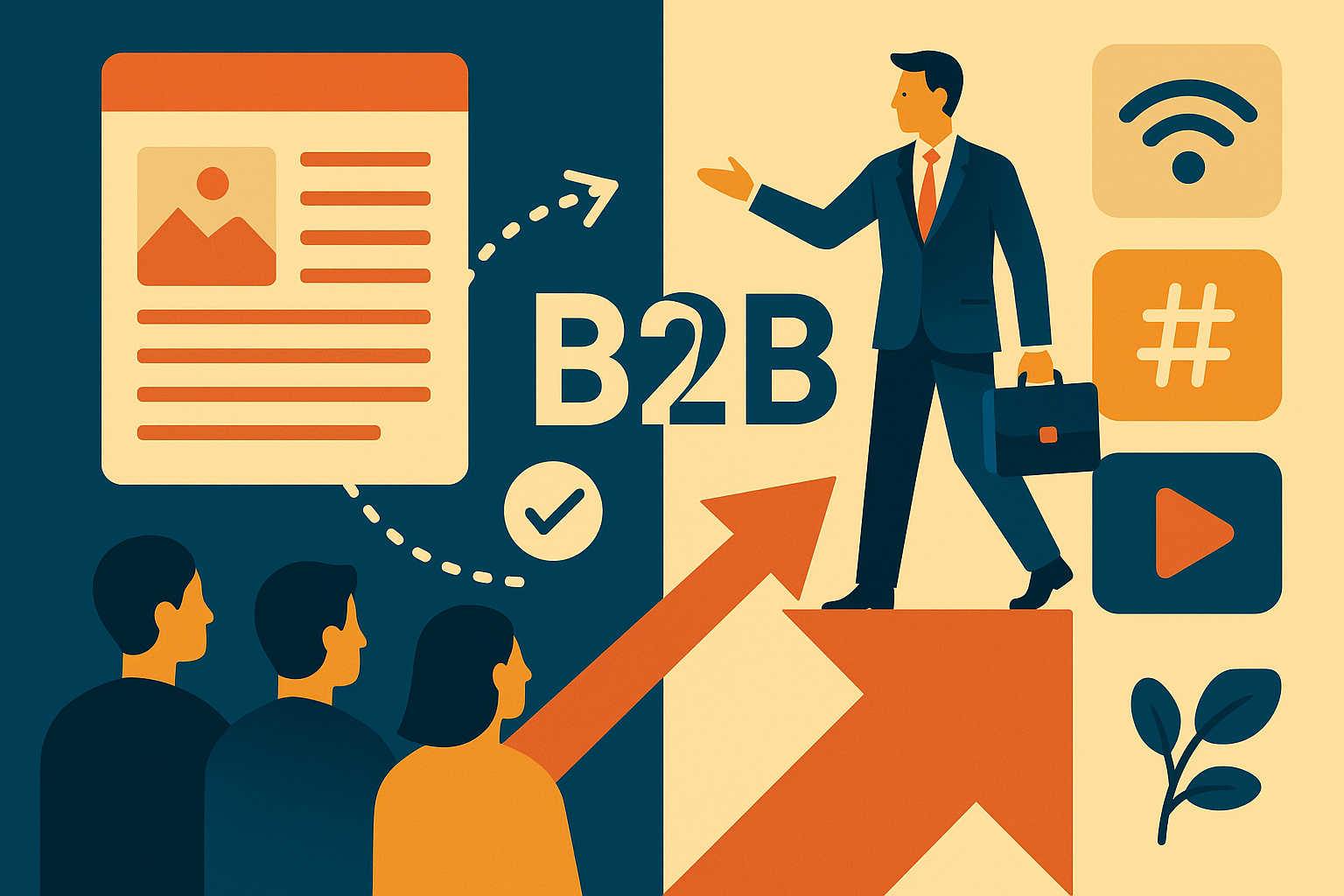
Discover key strategies for B2B content distribution and promotion that drive engagement and boost reach. Learn about leveraging networks, optimizing channels, and measuring impact to ensure your content consistently delivers value and enhances visibility.
📑 Table of Contents
- Understanding Your Audience's Needs and Preferences
- Creating High-Quality, Relevant Content
- Optimizing Content for Search Engines
- Utilizing Long-Tail Keywords
- Leveraging Social Media Platforms Strategically
- Promoting Through LinkedIn
- Employing Email Marketing Effectively
- Optimizing Email Campaigns
- Integrating Content with Sales Strategies
- Training Sales Teams
- Measuring Success and Optimizing Strategies
- Utilizing Analytics Tools
- Practical Takeaways for B2B Content Distribution
Understanding Your Audience's Needs and Preferences
To effectively distribute and promote content in the B2B landscape, it's crucial to start with a deep understanding of your audience. This involves identifying not just who your customers are, but also what their day-to-day challenges and needs are. Use surveys, interviews, and analysis of engagement data to create detailed buyer personas. These personas should guide your content creation, ensuring it is relevant and tailored to the audience's interests and professional pressures.
Creating High-Quality, Relevant Content
The cornerstone of any B2B content distribution strategy is the content itself. Focus on creating high-quality, informative, and actionable content that addresses specific industry issues or pain points. Whether it’s whitepapers, case studies, blogs, or videos, the content should position your company as a thought leader. This not only attracts the right audience but also encourages sharing among industry peers, amplifying your reach organically.
Optimizing Content for Search Engines
Search engine optimization (SEO) remains a powerful tool for B2B content promotion. By optimizing content with relevant keywords, meta descriptions, and quality links, you increase the visibility of your content on search engines, where most B2B buying processes begin. Regularly update your SEO strategies to respond to changes in search engine algorithms and maintain high visibility in search results.
Utilizing Long-Tail Keywords
Focus on long-tail keywords that your target audience is likely to use in their specific industry queries. These keywords often have lower competition and higher conversion rates, as they are more specific and closely aligned with the searcher’s intent.
Leveraging Social Media Platforms Strategically
While B2C brands often thrive on visually-driven platforms like Instagram or TikTok, B2B companies benefit more from platforms like LinkedIn, Twitter, and industry-specific forums. Share your content on these platforms but go further by engaging in conversations, joining groups, and connecting with key influencers in your industry. Tailor your messages to the norms and expectations of each platform to increase engagement.
Promoting Through LinkedIn
LinkedIn is particularly potent for B2B interactions. Regular posts, active participation in relevant groups, and LinkedIn articles can help you reach decision-makers and professionals in your field. Consider leveraging LinkedIn’s advanced targeting capabilities for paid promotions to reach a narrower, more relevant audience.
Employing Email Marketing Effectively
Email marketing continues to be one of the most effective tools for direct B2B communication. Segment your email list based on the buyer personas and tailor your messages to address the specific needs and interests of each segment. Use newsletters to share your latest content and insights, and consider automated drip campaigns to nurture leads through the sales funnel.
Optimizing Email Campaigns
To enhance the effectiveness of your email campaigns, focus on crafting compelling subject lines and personalized content. Monitor open rates and click-through rates to gauge the effectiveness of your campaigns and make necessary adjustments. A/B testing different elements of your emails can also provide valuable insights into preferences and behavior patterns of your audience.
Integrating Content with Sales Strategies
Content should not only attract prospects but also support the sales process. Equip your sales team with case studies, data sheets, and research reports that can help them address prospects’ concerns more effectively. Encourage the sales team to share relevant content pieces during different stages of the sales process, helping to educate the prospect and build trust.
Training Sales Teams
Ensure your sales team is well-versed in the content available and understands how to use it effectively in their communications. Regular training sessions can help sales representatives become comfortable with the content, understand its benefits, and learn how to best position it in conversations with potential clients.
Measuring Success and Optimizing Strategies
To ensure the ongoing effectiveness of your B2B content distribution strategies, establish clear metrics for success and regularly review performance data. Look at website traffic, engagement rates, lead generation, and ultimately, sales conversions to evaluate the impact of your content. Use these insights to refine your content creation and distribution efforts, focusing on what works best for your audience.
Utilizing Analytics Tools
Make use of comprehensive analytics tools to track how your content performs across different platforms. These tools can help you understand which pieces of content drive the most engagement and conversions, and which platforms are most effective for your brand.
Practical Takeaways for B2B Content Distribution
Effective B2B content distribution and promotion require a multi-channel approach tailored to your specific audience. By understanding your audience deeply, creating relevant, high-quality content, and leveraging the right platforms and strategies, you can significantly enhance your reach and impact. Always integrate content with sales strategies, measure your results, and be ready to adapt based on data-driven insights. With these practices, you can ensure that your content not only reaches the right audience but also drives meaningful business results.
Frequently Asked Questions
What are the most effective platforms for B2B content distribution?
The most effective platforms for B2B content distribution often include professional networking sites, industry-specific forums, and email marketing. Leveraging platforms where your target audience actively seeks industry-related information, such as LinkedIn, can significantly enhance visibility and engagement. Additionally, integrating content into newsletters and using SEO-optimized articles on your company blog can drive organic traffic and build authority.
How can I tailor content to be more relevant to my target audience in B2B settings?
To make content more relevant for a B2B audience, start by conducting thorough market research to understand the needs, challenges, and interests of your target industry. Use this insight to create content that addresses specific problems, offers clear solutions, and provides actionable advice. Customizing content for different stages of the buyer's journey can also increase relevance, whether it's educational content for awareness or detailed case studies and whitepapers for decision-making phases.
What role does content play in driving B2B sales?
In B2B markets, content plays a crucial role in driving sales by educating potential customers, building brand trust, and establishing thought leadership. Effective content helps nurture leads by providing them with the necessary information to make informed decisions. By aligning content with the specific needs and pain points of potential clients, businesses can effectively guide them through the sales funnel, from initial awareness to the final purchase decision.
Sources and References
- Content Distribution and Promotion: Trends and Strategies - This report from the Content Marketing Institute provides comprehensive insights into the latest trends and effective strategies in B2B content distribution and promotion, supporting the article's discussion on utilizing various platforms and techniques to maximize content reach and engagement.
- Making Content Marketing More Effective - This Harvard Business Review article offers expert analysis on creating high-quality, relevant content that resonates with B2B audiences, aligning closely with the article's emphasis on understanding audience needs and crafting content that addresses these requirements.
- Leveraging Social Media for B2B Sales - This Forbes article explores strategic uses of social media in B2B contexts, providing practical examples and expert advice that underpin the article's section on leveraging social media platforms strategically to enhance content distribution and engagement.
- Analysis of Long-Tail Keywords in Search Engine Optimization - This research paper from arXiv provides a detailed analysis of how long-tail keywords can significantly improve SEO efforts, supporting the article's discussion on optimizing content for search engines and the strategic use of long-tail keywords.
- Google Research: The Role of AI in Content Marketing - This research publication by Google delves into the application of AI in content marketing, offering insights that reinforce the article's exploration of AI's impact on personalizing content distribution and enhancing audience engagement.
- McKinsey Insights on Marketing and Sales - McKinsey's collection of insights and reports provides authoritative information and data-driven analysis on various aspects of marketing and sales, including content distribution strategies for B2B companies, which supports the article's discussion on aligning content strategies with sales objectives.