Boost B2B Website Performance Through User Experience and Conversion
Understanding the Intersection of User Experience and Conversion in B2B Websites User experience (UX) and conversion rates are tightly intertwined elements...

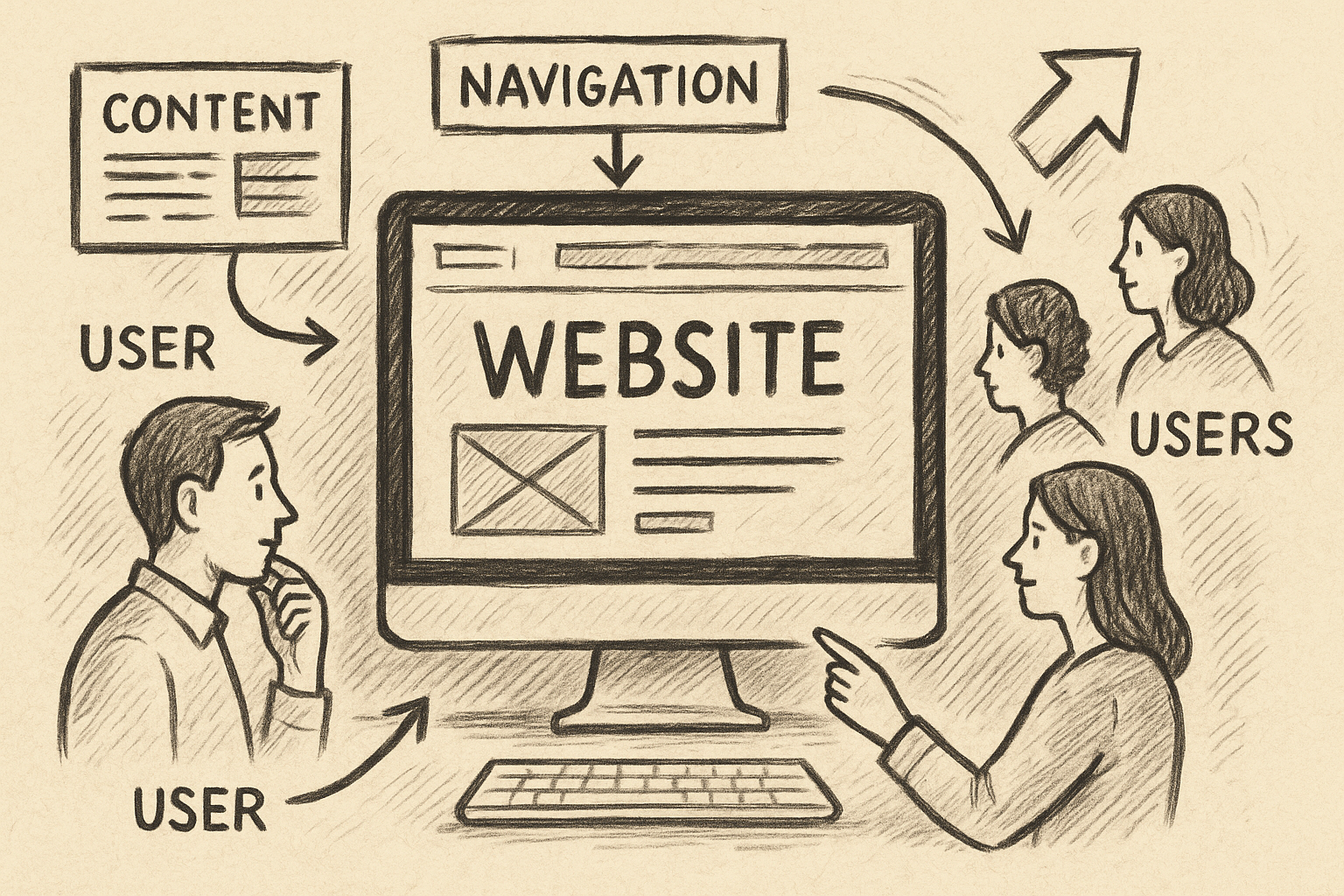
Discover how to enhance your B2B website's user experience and conversion rates. This article covers key strategies such as intuitive design, personalized content, and impactful CTAs to boost engagement and drive business growth. Unlock the potential of your online presence now!
📑 Table of Contents
- Understanding the Intersection of User Experience and Conversion in B2B Websites
- Streamlining Site Navigation to Enhance User Engagement
- Optimizing Content for Clarity and Relevance
- Enhancing Website Performance and Accessibility
- Leveraging Analytics to Understand and Improve User Behavior
- Building Trust Through Design and Credibility Signals
- Practical Takeaway for B2B Marketers
Understanding the Intersection of User Experience and Conversion in B2B Websites
User experience (UX) and conversion rates are tightly intertwined elements crucial for the success of any B2B website. A stellar user experience engages visitors, fosters trust, and gently nudges them towards making a conversion, such as filling out a contact form or signing up for a newsletter. The goal is to design a website that is not only aesthetically pleasing but also functionally optimal and aligned with user needs.
Streamlining Site Navigation to Enhance User Engagement
Clear Navigation Paths: Simple, intuitive site navigation is key. Ensure that the main menu is easy to locate and use, with logical, hierarchical arrangements of topics. Submenus should be used sparingly to avoid overwhelming the user. Consistent Layout: Consistency in layout across pages reinforces familiarity and reduces the learning curve for new visitors. Use a consistent template for similar types of content (like blog posts or case studies) to help users find information quickly. Focused Call-to-Action: Each page should have a clear, compelling call-to-action (CTA) that guides users to the next step. Whether it’s contacting sales, downloading a whitepaper, or watching a demo video, make sure the CTA is visible and persuasive.
Optimizing Content for Clarity and Relevance
Quality Over Quantity: In the realm of B2B, quality content that addresses specific industry issues, pain points, or innovations performs best. Ensure that all content is well-researched, expertly written, and directly relevant to your target audience. Use of Multimedia: Engage users by incorporating varied content forms such as videos, infographics, and podcasts. These can help explain complex concepts more clearly and keep the user engaged longer. SEO Best Practices: While SEO trends can fluctify, the essentials remain constant. Use relevant keywords naturally, optimize meta tags and descriptions, and ensure your content is accessible to search engines.
Enhancing Website Performance and Accessibility
Speed Optimization: A fast-loading website is crucial for keeping potential clients engaged. Optimize images, leverage browser caching, and minimize HTTP requests. Regularly test your website’s speed using tools that provide insights and suggestions for improvement. Accessibility: Ensure your website is accessible to all users, including those with disabilities. Use proper contrast ratios, alt text for images, and accessible navigation. This not only broadens your audience but also complies with global standards and regulations.
Leveraging Analytics to Understand and Improve User Behavior
Setting Up the Right Metrics: Track key performance indicators (KPIs) such as bounce rate, page views, session duration, and conversion rates. Tools like Google Analytics offer comprehensive insights into how users interact with your site. User Behavior Analysis: Use heatmaps and session recordings to gain deeper insights into how users interact with your website. This can reveal pain points in the user journey, such as confusing navigation or unengaging content areas. A/B Testing: Regularly test different versions of your web pages to see what works best for your audience. A/B testing can cover anything from CTA placement to different content formats and styles.
Building Trust Through Design and Credibility Signals
Professional Design: A clean, professional design not only appeals to the aesthetic sensibilities of visitors but also communicates credibility. Avoid cluttered layouts and opt for a balance between visuals and text. Testimonials and Case Studies: Showcase testimonials, case studies, and endorsements prominently. Real-world examples of your product or service in action validate your claims and build trust with prospective clients. Certifications and Partnerships: Display any industry certifications, awards, or partnership logos prominently on your site. These are indicators of professional recognition and reliability.
Practical Takeaway for B2B Marketers
Optimizing your B2B website for user experience and conversion is a continuous process that requires attention to detail across various elements of your digital presence. From clear navigation and quality content to leveraging analytics and establishing trust, each aspect plays a crucial role in converting visitors into leads and customers. Regularly review and refine your strategies based on analytical insights and industry best practices. By prioritizing user experience, you not only enhance engagement but also drive sustainable business growth through increased conversions.
Frequently Asked Questions
How can I improve the navigation of my B2B website to enhance user experience?
Improving the navigation of your B2B website involves creating a simple, intuitive menu structure that aligns with user expectations. Focus on logical grouping of services or products, use clear and descriptive labels, and ensure that your search functionality is effective and easy to use. Additionally, consider implementing breadcrumbs and a sticky navigation menu to help users know where they are at any time and navigate back to previous pages effortlessly.
What type of content should be prioritized on a B2B website to drive conversion?
Prioritize content that directly addresses the needs and questions of your users. This includes detailed product or service descriptions, case studies, testimonials, and whitepapers. Ensure the content is not only informative but also compelling and persuasive, encouraging users to take action. Additionally, regularly update your content to keep it relevant and engaging for returning visitors.
How can user feedback be integrated into website optimization for better conversion rates?
Integrating user feedback into website optimization involves collecting insights through surveys, user testing, and feedback forms. Analyze the feedback to identify common usability issues or areas for improvement. Implement changes based on this data, focusing on enhancing the user experience to meet the specific needs and preferences of your target audience. Regularly revisiting user feedback and making iterative improvements can significantly boost conversion rates.This FAQ section is designed to be timeless by focusing on fundamental concepts and best practices in B2B website optimization that are likely to remain relevant and important for years to come.
Sources and References
- The Role of User Experience in Business-to-Business Digital Transformation - This Forrester report discusses the critical role that user experience (UX) plays in the digital transformation of B2B companies, emphasizing how improved UX design leads to enhanced conversion rates. It provides evidence-based insights that align with the intersection of user experience and conversion in B2B websites, supporting the article's main theme.
- What Makes a Good Website? - Harvard Business Review explores key elements that contribute to the effectiveness of a website, including streamlined navigation and user engagement strategies. This source is particularly relevant to the article's section on streamlining site navigation to enhance user engagement.
- Content Strategy: The Importance of Clarity and Consistency - Content Marketing Institute offers detailed strategies on optimizing content for clarity and relevance, providing practical tips that can be directly applied to B2B website content. This supports the article's discussion on optimizing content to improve user experience and conversion.
- Web Fundamentals: Performance - Google Developers' guide on enhancing website performance outlines best practices and technical solutions to improve site speed and accessibility, directly supporting the article's section on enhancing website performance and accessibility.
- Google Analytics for Beginners - This official Google Analytics course provides foundational knowledge on using analytics tools to understand and improve user behavior on websites. It offers insights into leveraging analytics for website optimization, which is crucial for the article's section on using analytics to understand and improve user behavior.
- Analysis of User Behavior in Structured E-Commerce Websites - This research paper from arXiv provides an in-depth analysis of user behavior patterns in e-commerce settings, which can be extrapolated to B2B contexts. The findings help validate strategies discussed in the article for enhancing user engagement and conversion through data-driven insights.