Boost B2B Marketing Automation Efficiency With Proven Strategies
Optimizing your B2B marketing automation setup is a crucial strategy for achieving better efficiency and enhancing the effectiveness of your marketing efforts....

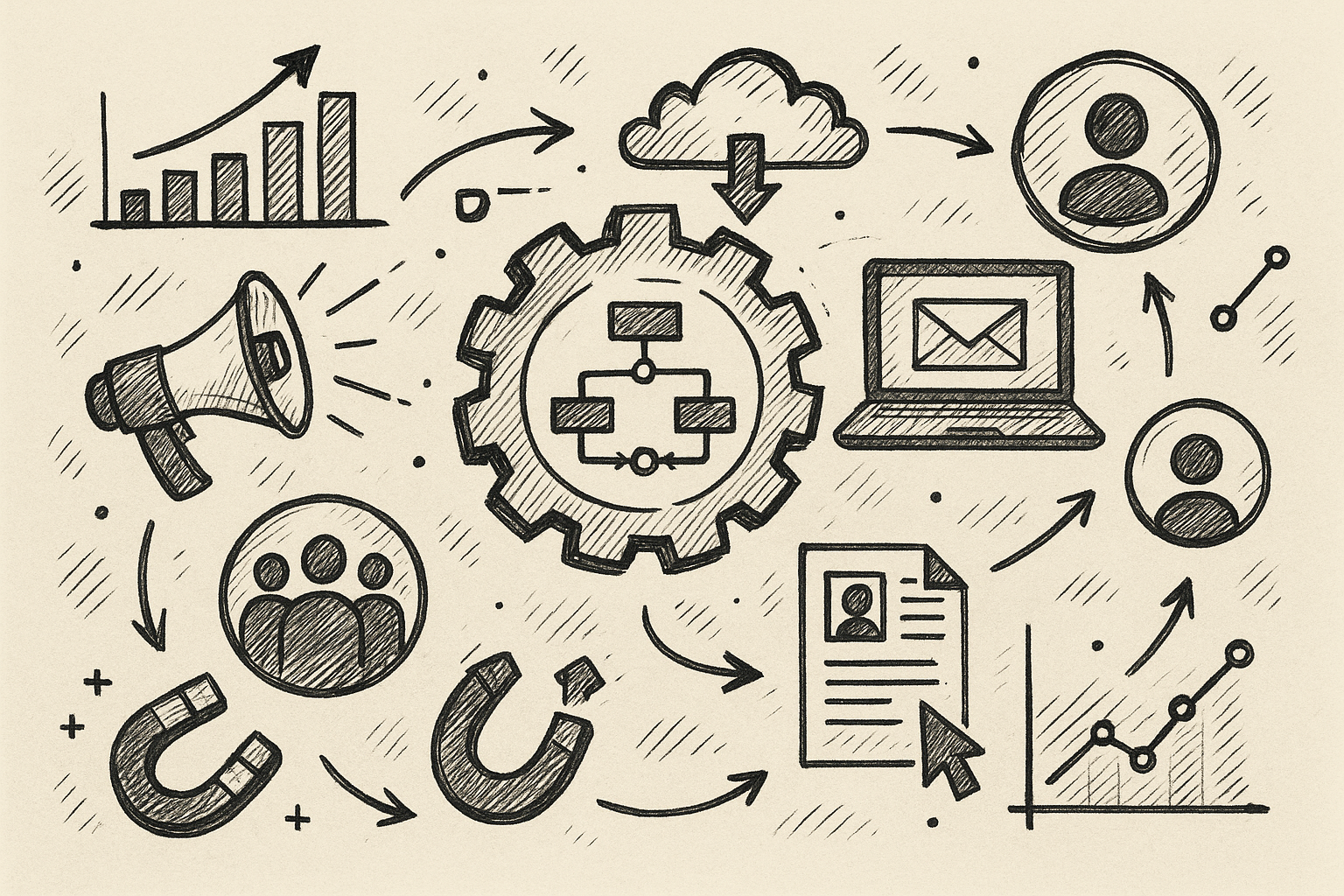
Optimizing your B2B marketing automation setup is a crucial strategy for achieving better efficiency and enhancing the effectiveness of your marketing efforts. By streamlining processes and ensuring that the right messages reach the right prospects at the right time, you can significantly improve your conversion rates and ROI. This comprehensive guide will walk you through the steps required to optimize your marketing automation system, covering everything from initial setup and audience segmentation to lead nurturing and performance measurement. ### Assessing Your Current Marketing Automation Setup Before diving into optimization, it’s essential to evaluate your existing marketing automation infrastructure. Identify what aspects of your current setup are working well and what areas need improvement. Key elements to assess include: - Data Integrity: Check for data accuracy and completeness. Cleanse any outdated or incorrect data to ensure that your automation tools work efficiently. - Workflow Logic: Analyze the logic behind your automation workflows. Are there unnecessary complexities or redundancies that could be streamlined? - Integration: Ensure that your marketing automation platform integrates seamlessly with other tools such as CRM systems, analytics tools, and content management systems. ### Understanding and Segmenting Your Audience Effective marketing automation relies heavily on understanding your audience. Segmenting your audience allows for more targeted and personalized marketing efforts, which can lead to higher engagement rates. Implement these strategies: - Demographic Data: Use demographic information to segment your audience into groups based on industry, company size, role, etc. - Behavioral Data: Track user behaviors such as website engagement, email interaction, and product usage to create more dynamic segments. - Lead Scoring: Develop a lead scoring system that helps prioritize leads based on their likelihood to convert. Adjust scoring criteria based on feedback and performance data. ### Setting Up Targeted Campaigns With a good understanding of your audience, you can set up more effective campaigns. Focus on these areas: - Personalization: Use the data from your audience segmentation to personalize messages. Tailored content resonates better and can drive higher engagement. - Multi-channel Approach: Implement campaigns that span multiple channels, adjusting the message to fit the medium while maintaining a consistent brand voice. - Automated Triggers: Set up triggers based on specific actions or behaviors that automatically send relevant messages or alerts to leads or customers. ### Streamlining Lead Nurturing Processes Lead nurturing is a critical component of marketing automation that helps move prospects through the sales funnel. To optimize this process: - Content Mapping: Map out content that addresses each stage of the buyer’s journey. Ensure that you deliver the right content at the right time. - Feedback Loops: Use feedback from each campaign to refine your approach. Analyze which types of content and which channels are performing best. - A/B Testing: Regularly test different aspects of your emails and workflows to determine what works best. Focus on subject lines, content, and call-to-actions. ### Leveraging Analytics for Continuous Improvement To truly optimize your marketing automation efforts, you must leverage analytics to gain insights and make data-driven decisions. - Key Performance Indicators (KPIs): Determine which KPIs are most relevant to your goals, such as conversion rates, click-through rates, or lead generation numbers. - Regular Reports: Set up regular reporting to monitor these KPIs. Use this data to identify trends and areas for improvement. - Tools and Platforms: Utilize analytics tools that can integrate with your marketing automation platform to provide deeper insights into campaign performance and customer behavior. ### Managing and Maintaining Your System Ongoing management and maintenance of your marketing automation system are vital to ensure its continual efficiency and relevance. - Regular Updates: Keep your software and integrations up to date to take advantage of the latest features and security enhancements. - Training and Support: Ensure that your team is well-trained on the latest marketing automation techniques and tools. Offer regular training sessions and updates. - Scalability: Review your marketing automation system regularly to ensure it can scale with your business needs. Adjust workflows and segments as your business evolves. ### Conclusion By following these steps, you can optimize your B2B marketing automation efforts to improve efficiency, enhance personalization, and drive better business outcomes. Remember that the key to successful marketing automation lies in continuous learning and adaptation to new insights and market conditions. Use the data at your disposal to make informed decisions and keep refining your strategies to stay ahead in the competitive B2B landscape.
Frequently Asked Questions
What are the key components of an effective B2B marketing automation strategy?
An effective B2B marketing automation strategy should include a clear understanding of your target audience, a comprehensive data management plan, personalized content delivery, consistent engagement tactics, and continuous performance analysis. Integrating these components ensures that marketing efforts are both efficient and aligned with business objectives, leading to better lead generation and customer retention.
How can I use data to optimize marketing automation?
Optimizing marketing automation with data involves collecting accurate and relevant data, segmenting your audience based on this data, and using insights to personalize and tailor marketing messages. Regularly analyze the data to refine automation strategies, ensuring that you are targeting the right audience with the right message at the right time. This leads to higher engagement rates and more effective lead nurturing.
What techniques can be used to improve audience targeting in marketing automation?
Improving audience targeting in marketing automation can be achieved through detailed audience segmentation, behavioral analysis, and predictive modeling. Utilize demographic, psychographic, and behavioral data to create detailed customer profiles. Apply machine learning algorithms to predict future behavior patterns and preferences which allows for more precise targeting and personalized marketing efforts.
How can automation technology be leveraged to improve lead generation and nurturing?
Automation technology improves lead generation and nurturing by streamlining repetitive tasks, allowing marketers to focus on strategy and content creation. Use automation tools to schedule and send emails, manage social media posts, and track user interactions. This ensures consistent communication with leads and helps in moving them through the sales funnel with personalized, timely content based on their engagement and behavior.
What are the best practices for measuring the success of marketing automation?
Best practices for measuring the success of marketing automation include setting clear, measurable goals, monitoring key performance indicators (KPIs) such as conversion rates, engagement rates, and ROI, and using analytics tools to track these metrics over time. Regularly reviewing these metrics helps in understanding the effectiveness of your automation efforts and provides insights for continuous improvement.
Sources and References
- The Forrester Wave™: B2B Marketing Automation Platforms, Q4 2020 - This Forrester report evaluates the top B2B marketing automation platforms, providing insights into how each can enhance efficiency through advanced features like AI-driven analytics and audience segmentation. It supports the article's discussion on selecting the right automation tools for improved operational efficiency.
- Machine Learning in B2B Marketing - A comprehensive study by Google Research that explores the application of machine learning techniques in B2B marketing scenarios. This source is crucial for understanding how AI can optimize marketing strategies and lead management, directly supporting the article's section on AI integration in marketing automation.
- The B2B Elements of Value - An article from Harvard Business Review that discusses how businesses can effectively measure and deliver value in B2B markets. It provides foundational knowledge that aids in understanding how to align marketing automation with business objectives, which is a key topic in the article.
- State of Marketing Report - Salesforce's annual report that includes data and trends in marketing automation usage across various industries. This report supports the article's claims about the importance of data-driven decision-making in marketing automation and how it leads to better audience targeting and lead generation.
- B2B Content Marketing: 2021 Benchmarks, Budgets, and Trends - A report by the Content Marketing Institute that offers insights into how B2B marketers are using content to drive their marketing strategies. This supports the article's discussion on the role of content in marketing automation and how it helps in nurturing leads and personalizing marketing efforts.
- Enhancing Lead Quality in B2B Marketing Using Data Science - A research paper on arXiv that presents methods for improving lead quality through data science techniques. This source is particularly relevant for the article's section on using data analytics to refine marketing automation processes for better lead qualification and conversion rates.