Boost B2B Brand Awareness With Strategic User-Generated Content
User-generated content (UGC) is any form of content—text, videos, images, reviews, etc.—created by people, rather than brands. In business-to-business (B2B)...

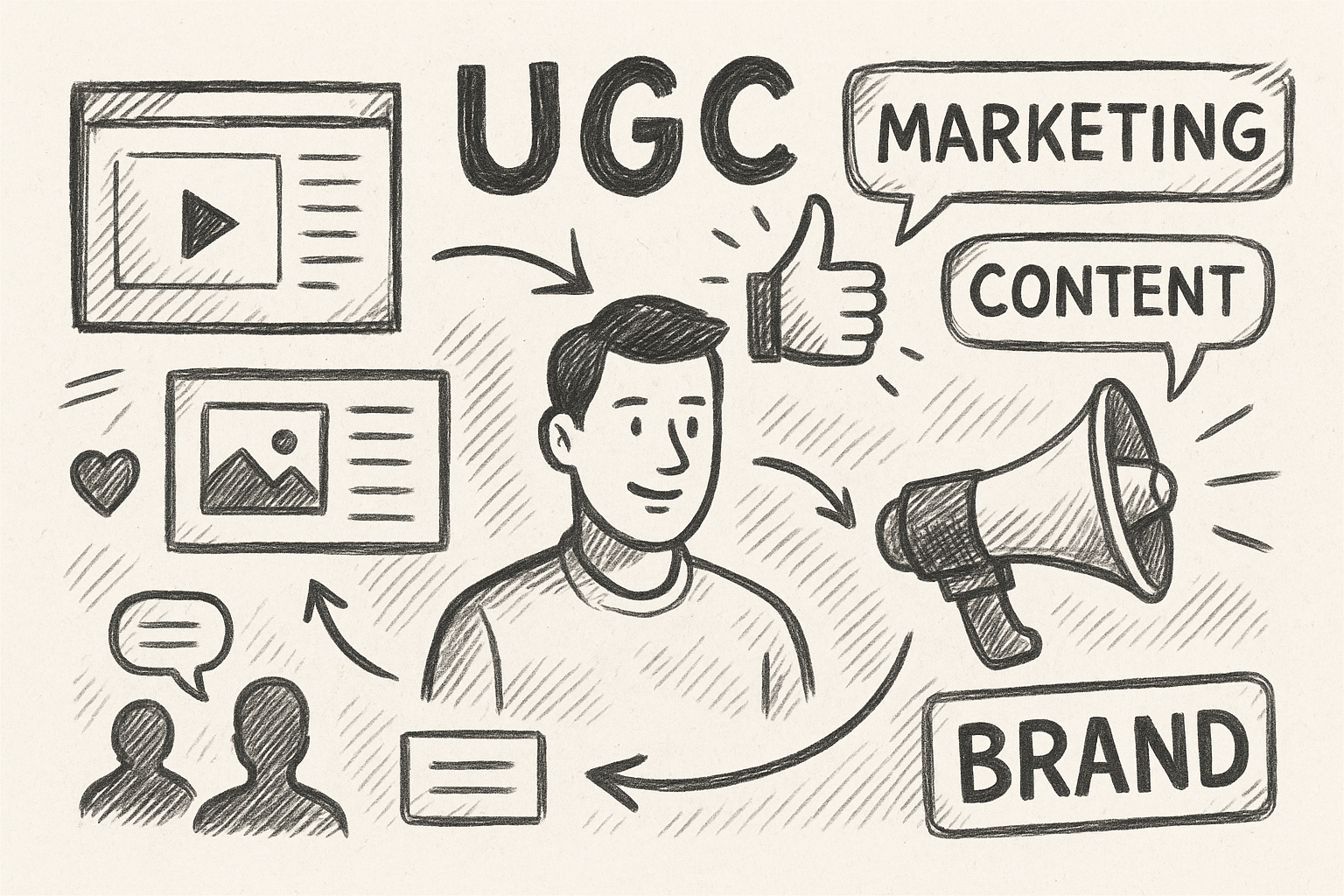
Discover how B2B companies can boost brand awareness by effectively leveraging user-generated content. This article explores strategies for curating and capitalizing on UGC to enhance credibility and engage potential clients.
📑 Table of Contents
- Understanding User-GeneratedContentin B2B Contexts
- The Strategic Value of UGC for B2B Companies
- Identifying and Cultivating Sources of UGC
- Integrating UGC into B2B Marketing Campaigns
- Ensuring Authenticity and Trust in UGC
- Measuring the Impact of UGC on B2B Brand Awareness
- Addressing Challenges in UGC for B2B
- Practical Takeaways
Understanding User-Generated Content in B2B Contexts
User-generated content (UGC) is any form of content—text, videos, images, reviews, etc.—created by people, rather than brands. In business-to-business (B2B) markets, leveraging UGC can enhance brand awareness and build trust among professional audiences. Unlike consumer markets, B2B UGC often involves testimonials, case studies, and professional endorsements that resonate with a company’s specific industry needs and challenges.
The Strategic Value of UGC for B2B Companies
UGC in B2B marketing serves as a powerful tool to showcase real-world applications of products or services and the value they add to businesses. It provides proof of concept to prospective customers and helps in building a community of advocates. Moreover, UGC can significantly impact SEO and digital presence by generating organic, keyword-rich content that improves search rankings and visibility.
Identifying and Cultivating Sources of UGC
To effectively leverage UGC, B2B marketers need to identify and nurture their sources. This typically involves:
- Engaging with satisfied customers: Encouraging them to share their experiences through case studies or testimonials.
- Hosting forums and webinars: Where users can discuss your products and offer insights or success stories.
- Incentivizing shares: Offering rewards for customers who share their content on platforms relevant to your industry.
Integrating UGC into B2B Marketing Campaigns
Once you have a repository of UGC, the next step is integration into your overall marketing strategy. This can be done through:
- Content marketing: Incorporating user testimonials and case studies in blog posts, whitepapers, and e-books.
- Social media: Sharing user-generated videos, images, or quotes on platforms like LinkedIn, which is highly relevant for B2B interactions.
- Email marketing: Featuring UGC in newsletters and sales emails to show prospects the human side of your business.
Ensuring Authenticity and Trust in UGC
Authenticity is crucial in making UGC work for B2B branding. It’s important to ensure that all user-generated content reflects genuine, verifiable experiences. Strategies to maintain authenticity include:
- Verification processes: Implementing steps to confirm that the person contributing content has actually used the product or service.
- Transparency: Being clear about any edits or alterations made to user submissions.
- Moderation: Monitoring UGC to ensure it aligns with your brand values and messaging.
Measuring the Impact of UGC on B2B Brand Awareness
To understand the effectiveness of UGC in your B2B marketing efforts, it’s vital to track and measure its impact. Key metrics include:
- Engagement rates: Look at likes, shares, comments, and other forms of engagement on social media platforms.
- Website traffic: Monitor increases in site visits, particularly to pages featuring UGC.
- Conversion rates: Analyze how many leads or customers were generated from UGC campaigns.
Tools like Google Analytics and social media analytics platforms can provide comprehensive data to gauge the success of your UGC initiatives.
Addressing Challenges in UGC for B2B
Despite its benefits, UGC comes with challenges that need strategic handling:
- Consistency: Ensuring a steady stream of quality UGC can be difficult, particularly in niche industries.
- Brand alignment: Balancing user creativity with brand guidelines and messaging.
- Legal concerns: Managing copyrights and permissions for user-generated content.
Developing a clear UGC policy and guidelines can help mitigate these challenges and ensure a smooth integration into your marketing strategy.
Practical Takeaways
To effectively leverage UGC in B2B marketing, consider the following steps:
- Start by identifying your most satisfied customers and encourage them to share their experiences.
- Incorporate UGC systematically into your digital marketing channels, ensuring each piece aligns with your brand’s voice and objectives.
- Regularly monitor and measure the impact of UGC to optimize your strategies continuously.
By integrating these practices, B2B marketers can enhance brand awareness, foster trust, and build a more engaged professional community.
Frequently Asked Questions
What is user-generated content (UGC) and why is it important for B2B marketing?
User-generated content (UGC) refers to any form of content created by users or customers, such as reviews, testimonials, social media posts, blog comments, and videos, rather than by the brand itself. In B2B marketing, UGC is important because it helps build trust and credibility among businesses. It provides authentic insights into the value of products or services, facilitates peer recommendations, and enhances brand visibility through organic sharing and engagement.
How can B2B companies effectively leverage UGC to increase brand awareness?
B2B companies can leverage UGC by encouraging their clients to share their experiences and success stories through various platforms. This can be facilitated by creating hashtags, hosting contests, or offering incentives for sharing content. Additionally, integrating UGC into marketing materials, such as featuring client testimonials on websites or sharing user reviews in promotional emails, can significantly enhance credibility and reach. It's also crucial to engage actively with the content shared by users to foster a community feeling and encourage further participation.
What are the best practices for managing and curating UGC to ensure it aligns with a B2B brand's image?
Managing and curating UGC effectively requires establishing clear guidelines on the type of content that aligns with the brand’s image and values. It's important to monitor UGC regularly to ensure it meets quality standards and is appropriate. Featuring high-quality UGC that positively reflects the brand can be beneficial. Additionally, obtaining permission before using user-generated content in official marketing materials is crucial to respect user rights and maintain trust. Lastly, responding to and engaging with UGC creators can help maintain an active and positive community presence.
Sources and References
- The digital-led recovery from COVID-19: Five questions for CEOs - This McKinsey report discusses the increased importance of digital strategies in B2B contexts post-COVID-19, including leveraging user-generated content (UGC) to enhance brand awareness and customer engagement. It provides insights into how UGC can strategically position B2B companies for better market visibility and customer interaction.
- User-Generated Content: Research Insights for B2B Marketing - This article from the Content Marketing Institute offers specific research findings on how UGC influences B2B buying decisions and enhances SEO. It supports the section of the article on the strategic value of UGC by providing data on its effectiveness in increasing brand trust and engagement.
- Making User-Generated Content Work for Your Brand - Harvard Business Review explores methods for integrating UGC into marketing strategies effectively. This source is particularly relevant for the article's section on integrating UGC into B2B marketing campaigns, offering expert analysis and case studies on successful UGC strategies.
- The Impact of User-Generated Content on Consumer Brand Engagement - A comprehensive study available on arXiv providing academic insights into how UGC impacts brand engagement in a B2B setting. This supports the article's discussion on identifying and cultivating sources of UGC by showing empirical evidence of its impact on engagement metrics.
- The Role of Authenticity in Building Brand Trust - Forrester's analysis on how authenticity in user-generated content can enhance trust and credibility among B2B audiences. This source is crucial for the article's section on ensuring authenticity and trust in UGC, providing strategies to maintain authenticity in UGC practices.
- Google Developers UGC Protocols - Official documentation from Google on how to properly tag and manage user-generated content for SEO benefits. This supports the article's discussion on SEO strategies involving UGC, giving technical guidelines and best practices for implementing UGC in a way that maximizes search engine visibility.