Avoid These Common Marketing Automation Mistakes That Damage Your Sales
Understanding the Impact of Automation on Marketing Pipelines Marketing automation stands as a cornerstone in modern marketing strategies, streamlining...

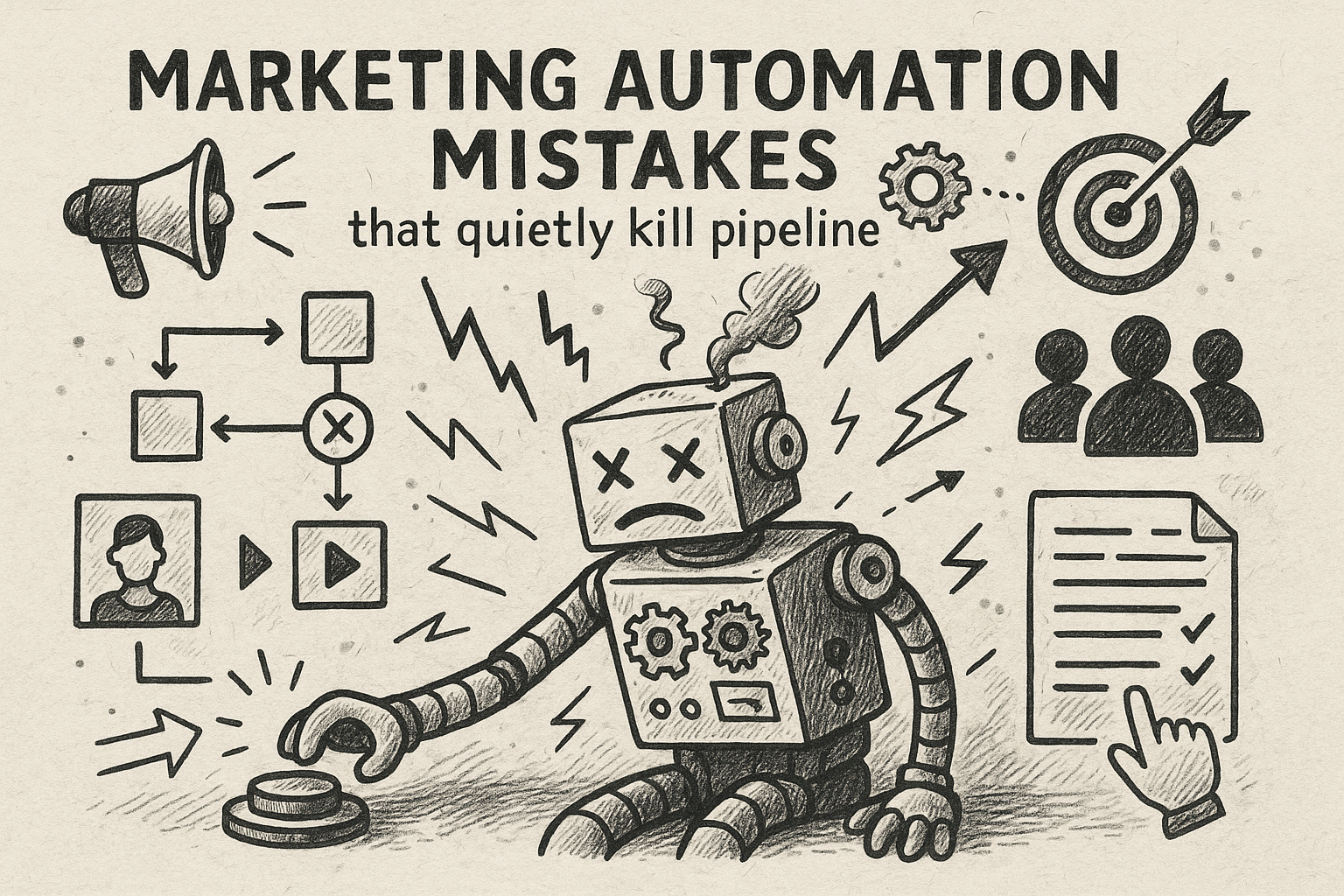
Discover common marketing automation blunders that can stealthily sabotage your sales pipeline. This article explores key mistakes to avoid, from neglecting customer segmentation to underutilizing analytics, ensuring your campaigns thrive.
📑 Table of Contents
- Understanding the Impact of Automation onMarketingPipelines
- Over-Reliance on Automation: Losing the Human Touch
- Ignoring Customer Segmentation and Personalization
- Failing to Align with Overall Marketing Goals
- Neglecting the Importance of Content Quality
- Overlooking the Need for Continuous Testing and Optimization
- Practical Takeaway: Building a Resilient Marketing Automation Strategy
Understanding the Impact of Automation on Marketing Pipelines
Marketing automation stands as a cornerstone in modern marketing strategies, streamlining operations and enhancing efficiency. However, when not managed correctly, automation can inadvertently hamper the growth of your marketing pipeline. It's essential to recognize the potential pitfalls and implement strategies to avoid them, ensuring your marketing automation tools are assets rather than liabilities.
Over-Reliance on Automation: Losing the Human Touch
While automation offers consistency and scalability, an over-reliance can lead to a lack of personalization, which is crucial in today’s marketing landscape. Marketing is not just about reaching an audience, but connecting with them on a personal level. Actionable Tips: - Use automation tools to handle routine tasks, but keep strategic communications personalized. - Regularly review automated messages for relevance and personal touch. - Integrate customer feedback to continually improve engagement strategies.
Ignoring Customer Segmentation and Personalization
Effective marketing automation requires precise customer segmentation. Sending the same messages to your entire audience regardless of their unique characteristics and behaviors can lead to disengagement and a diluted brand message. Actionable Tips: - Utilize data analytics to segment your audience based on behavior, demographics, and purchase history. - Tailor your communications to address the specific needs and interests of each segment. - Continuously update your segments based on evolving customer data and interactions.
Failing to Align with Overall Marketing Goals
Automation should not operate in a silo. It must be an integral part of your broader marketing strategy, aligned with your overall business goals. Misalignment can lead to disjointed marketing efforts and wasted resources. Actionable Tips: - Ensure that every automated campaign has clear objectives that support your broader marketing goals. - Regularly review your automation strategies with your marketing team to ensure alignment. - Adjust automation tactics based on performance data and changing business objectives.
Neglecting the Importance of Content Quality
In the rush to automate, there’s a risk of prioritizing quantity over quality. However, the content you distribute through automation systems needs to be compelling, well-crafted, and valuable to your audience. Actionable Tips: - Invest in high-quality content creation, even for automated distributions. - Regularly audit your content to ensure it meets high standards and reflects your brand voice. - Test different types of content to see what resonates best with your audience and adjust accordingly.
Overlooking the Need for Continuous Testing and Optimization
Marketing automation systems are not set-and-forget tools. They require continuous monitoring, testing, and optimization based on real-time data to ensure they are performing as expected. Actionable Tips: - Implement A/B testing for different elements of your automated campaigns to understand what works best. - Analyze the performance data regularly to identify areas for improvement. - Stay updated with new automation features and technologies that could enhance your marketing efforts.
Practical Takeaway: Building a Resilient Marketing Automation Strategy
To ensure that your marketing automation efforts bolster rather than hinder your pipeline growth, it’s crucial to balance technology with a strategic human touch. Focus on personalization, align automation with your marketing goals, invest in quality content, and commit to ongoing testing and optimization. By being mindful of these areas, you can harness the full potential of marketing automation to facilitate meaningful connections with your audience and drive sustainable business growth.
Frequently Asked Questions
What are common marketing automation mistakes that can impact my sales pipeline?
Common mistakes in marketing automation that negatively affect the sales pipeline include not segmenting the audience effectively, over-relying on automated communication without personalization, neglecting to update and optimize automation workflows, and failing to align marketing messages with the audience’s current needs and behaviors. Addressing these issues can help maintain a healthy, active sales pipeline.
How can I ensure my content remains actionable and relevant in marketing automation?
To keep content actionable and relevant in marketing automation, regularly review and update your content to reflect the latest industry trends, customer feedback, and analytics insights. Additionally, use A/B testing to experiment with different calls to action and content formats to see what resonates best with your audience. This approach helps in maintaining engagement and improving conversion rates over time.
Why is audience segmentation crucial in marketing automation?
Audience segmentation is crucial in marketing automation because it allows marketers to tailor their messages and campaigns to specific groups within their audience based on demographics, behavior, or purchase history. This personalization enhances the relevance of the communications, increases engagement, and ultimately boosts conversion rates. Effective segmentation ensures that marketing efforts are efficient and resonate well with the target audience.
Sources and References
- The State Of Marketing Automation - This Forrester report provides a comprehensive analysis of how marketing automation impacts business pipelines. It supports the article's discussion on the potential pitfalls of over-relying on automation and the importance of maintaining a balance with human interaction.
- The Elements of Good Judgment - An article from Harvard Business Review that explores decision-making in the automation age. It complements the article's viewpoint on the risks of losing the human touch in automated marketing processes by detailing how judgment plays a crucial role in effective marketing.
- Why Personalization Is Key to the Future of Content Strategy - This piece from the Content Marketing Institute discusses the critical role of customer segmentation and personalization in content strategy. It provides evidence and expert opinions that reinforce the article's stance on the dangers of ignoring personalization in marketing automation.
- Marketing Automation: Failure and the Path to Success - McKinsey's analysis on common failures in marketing automation and how to align them with overall marketing goals. This source is particularly relevant to the article's section on aligning automation efforts with broader marketing objectives.
- Impact of Content Quality in Marketing Automation Systems - A research paper hosted on arXiv that provides empirical data on how content quality affects marketing outcomes in automated systems. It supports the article's discussion on the necessity of maintaining high content quality in automated marketing campaigns.
- How to Avoid Common Marketing Automation Mistakes - Salesforce offers practical advice and best practices on avoiding common pitfalls in marketing automation. This source is used to provide actionable steps that complement the theoretical insights discussed in the main article.